Behold the Lamb of God: John's Witness
John 1:19–34 · Beginning of the ministry
Scripture
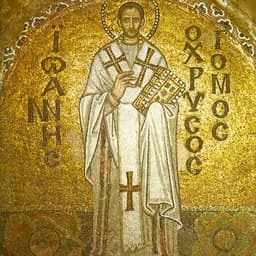
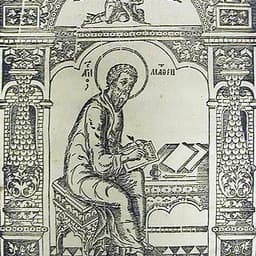
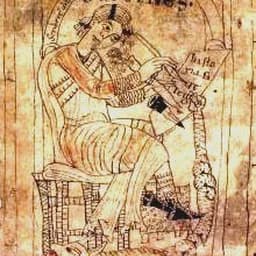
John 1:19–34
nd this is the record of John, when the Jews sent priests and Levites from Jerusalem to ask him, Who art thou? 20And he confessed, and denied not; but confessed, I am not the Christ. 21And they asked him, What then? Art thou Elias? And he saith, I am not. Art thou that prophet? And he answered, No. 22Then said they unto him, Who art thou? that we may give an answer to them that sent us. What sayest thou of thyself? 23He said, I am the voice of one crying in the wilderness, Make straight the way of the Lord, as said the prophet Esaias. 24And they which were sent were of the Pharisees. 25And they asked him, and said unto him, Why baptizest thou then, if thou be not that Christ, nor Elias, neither that prophet? 26John answered them, saying, I baptize with water: but there standeth one among you, whom ye know not; 27He it is, who coming after me is preferred before me, whose shoe’s latchet I am not worthy to unloose. 28These things were done in Bethabara beyond Jordan, where John was baptizing. 29The next day John seeth Jesus coming unto him, and saith, Behold the Lamb of God, which taketh away the sin of the world. 30This is he of whom I said, After me cometh a man which is preferred before me: for he was before me. 31And I knew him not: but that he should be made manifest to Israel, therefore am I come baptizing with water. 32And John bare record, saying, I saw the Spirit descending from heaven like a dove, and it abode upon him. 33And I knew him not: but he that sent me to baptize with water, the same said unto me, Upon whom thou shalt see the Spirit descending, and remaining on him, the same is he which baptizeth with the Holy Ghost. 34And I saw, and bare record that this is the Son of God.
King James Version · public domain
Joani 1:19–34
dhe ky është dëshmimi i Joanit, kur dërguanë Judhenjtë nga Jerusalimi priftër edhe Levitër që t’a pyesënë, cili je ti? 20Edhe rrëfeu, edhe nukë mohoj; edhe rrëfeu, Se unë nukë jam Krishti. 21Edhe e pyetnë Çë pra? Ilia je ti? edhe thotë, Nukë jam. Profiti je ti? edhe upërgjeq, Jo. 22I thanë pra, Cili je? që t’u përgjigjemi atyreve që na kanë dërguarë? ç’thua për vetëhenë t’ënde? 23Tha, “unë jam zër’ i ati që bërtet ndë shkretëtirët, Drejtoni udhën’ e Zotit.” sikundër tha profiti Isai. 24Edhe ata që qenë dërguarë ishinë prej Farisenjet; 25Edhe e pyetnë e i thanë, Përse pra pagëzon, kur nukë je ti Krishti, as Ilia, as profiti? 26Joani i upërgjeq atyre, dyke thënë, Unë pagëzonj me ujë; po ndër mest t’uaj rri ay që ju nuk’ e njihni; 27Ay është ay që vjen pas meje, i-cili është më i-math se unë; të-cilit unë s’jam i-zoti t’i sgith rripin’ e shollësë. 28Këto ubënë ndë Vithavara përtej Jordhanit, atje ku ishte Joani dyke pagëzuarë. 29Ndë të-nesërmet Joani sheh Jisunë dyke ardhurë tek ay, edhe thotë, Na Qëngji i Perëndisë, që ngre fajin’ e botësë. 30Ky ësht’ ay, për të-cilinë unë u thashë, se Pas meje vjen një burrë, i-cili është më i-math se unë, sepse ishte përpara meje. 31Edhe unë s’e njoha; po që të dëftenetë ndë Israilt, përandaj erdha unë dyke pagëzuarë me ujë. 32Edhe Joani dha dëshmim, dyke thënë, Se pashë Frymën’ e-Shënjtëruarë dyke sbriturë nga qielli posi pëllump, edhe ndënji mbi atë. 33Edhe unë nuk’ e njoha; po ay që më dërgoj të pagëzonj me ujë, ay më tha, Ay përmbi të-cilinë të shohç Frymën’ e-Shënjtëruarë dyke sbritur’ e dyke ndënjurë mbi atë, ky ësht’ ay që pagëzon me Frymë të-Shënjtëruarë. 34Edhe un’ e pashë, edhe dhashë dëshmim, se ky është i Bir’ i Perëndisë.
Kristoforidhi, Dhiata e Re Toskërisht 1879 · zotërim publik
In their own words
He calls Him "Lamb," to remind the Jews of the prophecy of Isaiah, and of the shadow under the law of Moses, that he may the better lead them from the type to the reality. That Lamb of Moses took not at once away the sin of any one; but this took away the sin of all the world; for when it was in danger of perishing, He quickly delivered it from the wrath of God.
St. John Chrysostom, Homilies on the Gospel of John, Homily 17 (on John 1:29)
Patristic sources
- St. John Chrysostom
- Homilies on the Gospel of John, Hom. 16–17
- St. Cyril of Alexandria
- Commentary on the Gospel of John, Books I–II
- Theophylact of Ohrid
- Explanation of the Gospel of John
His Johannine commentary survives in public-domain English only through the Catena Aurea.
- Origen of Alexandria
- Commentary on the Gospel of John, Book VI
Some speculations of Origen were condemned in 553; the passage cited is his sober exegesis of the Baptist's answer.
- Blessed Augustine of Hippo
- Tractates on the Gospel of John, Tractate 4
Venerated in the East as Blessed.
- St. Gregory the Great
- Forty Gospel Homilies
His Gospel homilies survive in public-domain English only through the Catena Aurea.
Read the sources: Chrysostom on John (CCEL, NPNF1-14) · Cyril on John, Book I (tertullian.org) · Cyril on John, Book II (tertullian.org) · Origen on John, Book VI (CCEL, ANF 9) · Augustine, Tractates on John (CCEL, NPNF1-7) · Catena Aurea on John (isidore.co)
Behold the Lamb of God: John's Witness (John 1:19–34)
The texts below are quoted verbatim from public-domain English translations; nothing is paraphrased.
St. John Chrysostom (c. 347–407)
Homilies on the Gospel of John, Homilies 16–17 (on John 1:19–34) Source: trans. in the Nicene and Post-Nicene Fathers, First Series, Vol. 14. Public domain. Full text: https://www.ccel.org/ccel/schaff/npnf114.toc.html
On the Baptist's refusal of the honour the crowds pressed upon him:
On why he names Christ "the Lamb," leading the Jews from the type to the reality:
St. Cyril of Alexandria (c. 376–444)
Commentary on the Gospel of John, Books I–II (on John 1:26–29) Source: trans. P. E. Pusey, Library of Fathers, 1874. Public domain. Full text: https://www.tertullian.org/fathers/cyril_on_john_01_book1.htm
On "I am not worthy to unloose His shoe-latchet":
On the one spotless Lamb led to the slaughter for all:
Theophylact of Ohrid (c. 1055–1107)
Explanation of the Gospel of John (on John 1:29) As preserved in the Catena Aurea on John. Public domain. Full text: https://isidore.co/aquinas/english/CAJohn.htm
On why He is called the Lamb of God, who has taken away the sin of the whole world:
Origen of Alexandria (c. 185–254)
Commentary on the Gospel of John, Book VI (on John 1:26) Source: trans. in the Ante-Nicene Fathers, Vol. 9. Public domain. Full text: https://www.ccel.org/ccel/schaff/anf09/anf09.xv.iii.v.xv.html (Certain speculations of Origen were later condemned in 553; the passage cited here is his sober reading of the Baptist's answer.)
On how "there standeth one among you" exalts the hidden nature of Christ:
Blessed Augustine of Hippo (354–430)
Tractates on the Gospel of John, Tractate 4 (on John 1:19–34) Source: trans. in the Nicene and Post-Nicene Fathers, First Series, Vol. 7. Public domain. Full text: https://www.ccel.org/ccel/schaff/npnf107/npnf107.iii.v.html
On John as the friend of the Bridegroom, humble in his acknowledgment of the Lord:
On why He alone is the Lamb, conceived without sin:
St. Gregory the Great (c. 540–604)
Forty Gospel Homilies (on John 1:19–23) As preserved in the Catena Aurea on John. Public domain. Full text: https://isidore.co/aquinas/english/CAJohn.htm
On the Baptist who denied what he was not, yet did not deny what he was:
On John the voice, going before the Word of the Father: