First miraculous catch of fish
Luke 5:1–11 · Early ministry in Galilee
Scripture

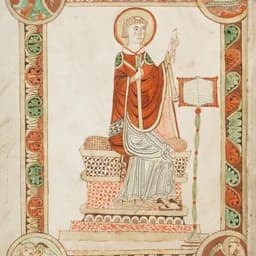
Luke 5:1–11
nd it came to pass, that, as the people pressed upon him to hear the word of God, he stood by the lake of Gennesaret, 2And saw two ships standing by the lake: but the fishermen were gone out of them, and were washing their nets. 3And he entered into one of the ships, which was Simon’s, and prayed him that he would thrust out a little from the land. And he sat down, and taught the people out of the ship. 4Now when he had left speaking, he said unto Simon, Launch out into the deep, and let down your nets for a draught. 5And Simon answering said unto him, Master, we have toiled all the night, and have taken nothing: nevertheless at thy word I will let down the net. 6And when they had this done, they inclosed a great multitude of fishes: and their net brake. 7And they beckoned unto their partners, which were in the other ship, that they should come and help them. And they came, and filled both the ships, so that they began to sink. 8When Simon Peter saw it, he fell down at Jesus’ knees, saying, Depart from me; for I am a sinful man, O Lord. 9For he was astonished, and all that were with him, at the draught of the fishes which they had taken: 10And so was also James, and John, the sons of Zebedee, which were partners with Simon. And Jesus said unto Simon, Fear not; from henceforth thou shalt catch men. 11And when they had brought their ships to land, they forsook all, and followed him.
King James Version · public domain
Lluka 5:1–11
dhe gjindja tek po ishte dyke shtrënguar’ atë që të dëgjoninë fjalën’ e Perëndisë, ay qëndronte përanë lëqerit Gjenisaret. 2Edhe pa dy lundra dyke qëndruarë përanë buzës’ së lëqerit; edhe peshkatarëtë duallë nga ato, e laninë rrietatë. 3Edhe ay hyri mbë njërënë nga lundratë, mb’atë që ishte e Simonit, edhe i ulut ati të largonej pak prej tokësë. Edhe si ndënji mësonte gjindjenë nga lundra. 4Edhe si pushoj së-foluri, i tha Simonit, Sill lundrënë ndë ujërat të-thella, edhe hithni rrietatë t’uaj, që të zini pishq. 5Edhe Simoni upërgjeq e i tha, Mësonjës, gjithë natën’ umunduamë, edhe nukë zumë gjë; po për fjalënë t’ënde dot’ e heth rrietënë. 6Edhe si bënë këtë, mbyllnë brënda një shumicë pishqish të-madhe, edhe rrieta e atyreve po çirej. 7Edhe u bënë me shënjë shokëvet që ishinë ndë lundrët tjetërë, që të vinin’ e t’u ndih-moninë; edhe ata erdhë, edhe mbushnë të dy lundratë, kaqë, sa ato zunë të fundoseshinë. 8Edhe Simon Pjetri, kur pa, ra ndër gjunjët të Jisujt, dyke thënë, Dil prej meje, Zot, sepse jam njeri fajtuar. 9Sepse të-habiturë e pushtoj atë edhe ata që ishinë bashkë me atë, për gjahun’ e pishqvet që zunë; 10Gjithashtu edhe Jakovin’ e Joannë, të bijt’ e Zevedheut, të-cilëtë ishin shokë të Simonit. Edhe Jisuj i tha Simonit, Mos ki frikë, se paskëtaj dotë gjuanç njerës. 11Edhe si suallë lundratë mbë tokët, i lanë të-gjitha edhe vanë pas ati.
Kristoforidhi, Dhiata e Re Toskërisht 1879 · zotërim publik
In their own words
in the name, however, of Christ, they let down the net, and immediately it was full of fish; in order that by a visible fact, and by a type and representation, miraculously enacted, they might be fully convinced that their labour would not be unrewarded
St. Cyril of Alexandria, Commentary on Luke, Sermon XII (on Luke 5:4), trans. R. Payne Smith, 1859
Patristic sources
- St. Cyril of Alexandria
- Commentary on Luke, Sermon 12
- Theophylact of Ohrid
- Commentary on Luke, on Luke 5
- St. Ambrose of Milan
- Exposition of the Gospel of Luke, Book IV
- St. Peter Chrysologus
- Sermons 30–31 (on the calling of Peter)
Read the sources: Cyril on Luke, Sermons 12–25 (Tertullian.org)
The First Miraculous Catch of Fish (Luke 5:1–11)
The texts below are quoted verbatim from public-domain English translations; nothing is paraphrased.
St. Cyril of Alexandria (c. 376–444)
Commentary on the Gospel of Luke, Sermon XV (on Luke 5:1–11) Source: trans. R. Payne Smith, Library of Fathers, 1859. Public domain. Full text: https://www.tertullian.org/fathers/cyril_on_luke_02_sermons_12_25.htm
On the catch as the calling of the apostles to gather the world (Luke 5:2):
On the obedience of Peter and the net filled (Luke 5:4):
On the partners beckoned, and the net still drawn:
On Peter's fear (Luke 5:8):
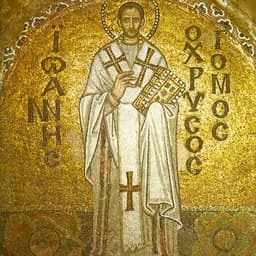
St. John Chrysostom (c. 349–407)
From the homilies of St. John Chrysostom, as compiled in the Catena Aurea on Luke. Public domain.
On how Christ called each according to his own art:
On the apostles' poverty (Luke 5:2):
On their faith and obedience (Luke 5:11):
Theophylact of Ohrid (c. 1050–1107)
From his Explanation of the Gospel of Luke, as compiled in the Catena Aurea on Luke. Public domain.
On the gentleness of Christ and the willingness of Peter:
On Peter's reply and the double kindness shown him (Luke 5:5):
Blessed Augustine of Hippo (354–430)
Tractates on the Gospel of John, Tractate CXXII Source: trans. John Gibb, Nicene and Post-Nicene Fathers, First Series, Vol. 7, ed. Philip Schaff, 1888. Public domain. Full text: https://www.newadvent.org/fathers/1701122.htm
Expounding the later catch of John 21, Augustine sets it against this first catch in Luke 5, and so interprets the meaning of the present passage.
On the two catches and what this first one signifies:
On the nets not let down to one side, signifying good and bad together:
On the breaking of the nets:
On the two ships filled to the point of sinking:
On the two ships as Jew and Gentile:
St. Ambrose of Milan (c. 339–397)
From his Exposition of the Gospel of Luke (Book IV), as compiled in the Catena Aurea on Luke. Public domain.
On the ship of Peter as the Church:
On "Launch out into the deep" (Luke 5:4):
On the nets of the apostles:
On Peter's confession (Luke 5:8):
St. Bede the Venerable (c. 672–735)
From his Commentary on the Gospel of Luke, as compiled in the Catena Aurea on Luke. Public domain.
On the two ships as the circumcision and the Gentiles (Luke 5:2):
On the ship of Simon as the primitive Church:
On Peter as the type of the Church (Luke 5:10):
On the catch that continues to the end of the world: