Healing the multitudes by the sea
Matt 15:29–31; Mark 3:7–12 · Later ministry in Galilee
Scripture
Matthew 15:29–31
nd Jesus departed from thence, and came nigh unto the sea of Galilee; and went up into a mountain, and sat down there. 30And great multitudes came unto him, having with them those that were lame, blind, dumb, maimed, and many others, and cast them down at Jesus’ feet; and he healed them: 31Insomuch that the multitude wondered, when they saw the dumb to speak, the maimed to be whole, the lame to walk, and the blind to see: and they glorified the God of Israel.
King James Version · public domain
Mateu 15:29–31
dhe Jisuj iku andej, e erdhi përanë detit të Galilesë, edhe hipi ndë malt, e rrinte atje. 30Edhe erthnë tek ay shumë gjindje, që kishinë me vetëhe të-çalë, të-verbërë, të-shurdhërë, doracë, edhe shumë të-tjerë; edhe i hothnë përanë këmbëvet të Jisujt, edhe ay i shëroj ata; 31Kaqë sa uçuditnë gjindja, kur panë të-shurdhërë të flasënë, doracë të-shëndoshurë, të-çalë të ecëjnë, edhe të-verbërë të shohënë; edhe lavduruanë Perëndin’ e Israilit.
Kristoforidhi, Dhiata e Re Toskërisht 1879 · zotërim publik
In their own words
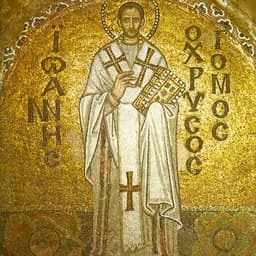
Seest thou, how the woman indeed He healed with so much delay, but these immediately? not because these are better than she is, but because she is more faithful than they.
St. John Chrysostom, Homilies on the Gospel of Matthew, Homily 52 (on Matthew 15:29–31)
Patristic sources
- St. John Chrysostom
- Homilies on Matthew, Hom. 52
Standalone NPNF1-10 homily on Matthew 15:29–31; contrasts the instant healing of the multitudes with the delayed cure of the Canaanite woman.
- Theophylact of Ohrid
- Explanation of the Gospel of Mark
Catena-only in public-domain English (Stade translation is copyright-locked); quoted from the Catena Aurea on Mark.
- St. Jerome
- Commentary on Matthew
Catena-only in public-domain English; quoted from the Catena Aurea on Matthew.
- St. Bede the Venerable
- Commentary on the Gospel of Mark
Catena-only in public-domain English; quoted from the Catena Aurea on Mark.
Read the sources: Chrysostom, Homilies on Matthew, Homily 52 (CCEL) · Catena Aurea on Mark, ch. 3 (CCEL) · Catena Aurea on Matthew, ch. 15 (CCEL)
Healing the multitudes by the sea (Matt 15:29–31; Mark 3:7–12)
The texts below are quoted verbatim from public-domain English translations; nothing is paraphrased.
St. John Chrysostom (c. 347–407)
Homilies on the Gospel of Matthew, Homily 52 (on Matthew 15:29–31) Source: trans. Sir George Prevost, rev. M. B. Riddle, Nicene and Post-Nicene Fathers, First Series, Vol. 10. Public domain. Full text: https://www.ccel.org/ccel/schaff/npnf110.iii.LII.html
On the sick brought up to the mountain and cast at His feet, and the double proof of their faith:
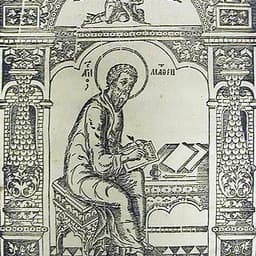
Theophylact of Ohrid (c. 1055–1107)
Explanation of the Gospel of Mark (on Mark 3:7–12) As preserved in the Catena Aurea on Mark. Public domain. Full text: https://www.ccel.org/ccel/aquinas/catena2.iii.iii.html
On the Lord withdrawing to do good to more, and the strangers who profit where His own kindred will not:
On why He asked for the little ship:
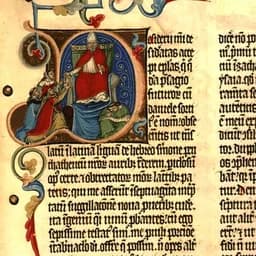
St. Jerome (c. 347–420)
Commentary on Matthew (on Matthew 15:29–31) As preserved in the Catena Aurea on Matthew. Public domain. Full text: https://www.ccel.org/ccel/aquinas/catena1.ii.xv.html
On the Lord’s return to the sea of Galilee after healing the Canaanite’s daughter:
On His going up into the mountain:
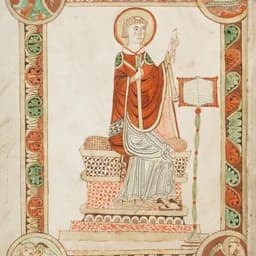
St. Bede the Venerable (c. 673–735)
Commentary on the Gospel of Mark (on Mark 3:7–12) As preserved in the Catena Aurea on Mark. Public domain. Full text: https://www.ccel.org/ccel/aquinas/catena2.iii.iii.html
On why He withdrew to the sea, and the example He gave His disciples:
On the sick and the demoniacs alike falling down before Him:
On the confession the devils were compelled to make, against the Arians: