Jesus before Caiaphas and the Sanhedrin
Matt 26:57–68; Mark 14:53–65; Luke 22:54, 63–71 · Passion week in Jerusalem
Scripture
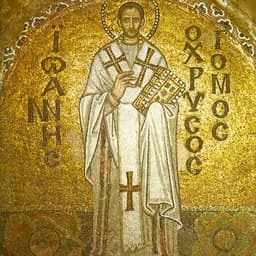
Matthew 26:57–68
nd they that had laid hold on Jesus led him away to Caiaphas the high priest, where the scribes and the elders were assembled. 58But Peter followed him afar off unto the high priest’s palace, and went in, and sat with the servants, to see the end. 59Now the chief priests, and elders, and all the council, sought false witness against Jesus, to put him to death; 60But found none: yea, though many false witnesses came, yet found they none. At the last came two false witnesses, 61And said, This fellow said, I am able to destroy the temple of God, and to build it in three days. 62And the high priest arose, and said unto him, Answerest thou nothing? what is it which these witness against thee? 63But Jesus held his peace. And the high priest answered and said unto him, I adjure thee by the living God, that thou tell us whether thou be the Christ, the Son of God. 64Jesus saith unto him, Thou hast said: nevertheless I say unto you, Hereafter shall ye see the Son of man sitting on the right hand of power, and coming in the clouds of heaven. 65Then the high priest rent his clothes, saying, He hath spoken blasphemy; what further need have we of witnesses? behold, now ye have heard his blasphemy. 66What think ye? They answered and said, He is guilty of death. 67Then did they spit in his face, and buffeted him; and others smote him with the palms of their hands, 68Saying, Prophesy unto us, thou Christ, Who is he that smote thee?
King James Version · public domain
Mateu 26:57–68
dhe ata si zunë Jisunë, e prunë te Kaiafa kryeprifti, atje ku ishinë mbledhurë shkronjësit’ edhe pleqtë. 58Po Pjetri i vate prapa për-së-largu, gjer ndë avlit të krye-priftit; edhe si hyri brenda, rrinte bashkë me shërbëtorëtë, që të shihte fundinë. 59Edhe krye-priftërit’ e pleqt’ e gjithë bashkë-ndënja kërkoninë dëshmim të-rrem kundrë Jisujt, që t’a vrisninë atë, po nukë gjetnë; 60Edhe ndonëse erthnë shumë dëshmimtarë të-rrem, nukë gjetnë. Po pastaj erthnë dy dëshmimtarë të-rrem, e thanë, 61Ky tha, se Munt të prish tempullin’ e Perëndisë, edhe për tri dit t’a ndërtonj atë. 62Edhe kry-prifti ungrit e i tha, Nukë përgjigjesh fare? ç’dëshmojnë këta kundrë teje? 63Po Jisuj nukë bënte zë. Edhe krye-prifti upërgjeq e i tha, Të vë mbë be për Perëndin’ e gjallë, të na thuash, ndë je ti Krishti, i Bir’ i Perëndisë. 64Jisuj i thot’ atij, Ti po thua; po unë po u them juve, Që ndashti e paskëtaj dotë shihni të Birr’ e njeriut dyke ndënjurë mb’anë të-djathtë të fuqisë, e dyke ardhurë mbi ret të qiellit. 65Atëhere kryeprifti çori rrobat e tia, dyke thënë, Se vllasfimisi; ç’nevojë kemi më për dëshmimtarë? ja ndashti tek e dëgjuatë vllasfimin’ e ati. Si u duketë juve? 66Edhe ata upërgjeqnë e thanë, Eshtë fajtuar për vdekje. 67Atëhere e pshtynë atë ndër sy, edhe i ranë me grusht, edhe të-tjerë i ranë me shuplaka, 68dyke thënë, Profiteps-na, o Krisht, cili ësht’ ay që të ra?
Kristoforidhi, Dhiata e Re Toskërisht 1879 · zotërim publik
In their own words
On that face which the sea, when it saw it, had reverenced, from which the sun, when it beheld it on the cross, turned away his rays, they did spit, and struck it with the palms of their hands, and some upon the head; giving full swing in every way to their own madness.
St. John Chrysostom, Homilies on the Gospel of Matthew, Homily 85 (on Matthew 26:67–68)
Patristic sources
- St. John Chrysostom
- Homilies on the Gospel of Matthew, Hom. 84–85
- St. Cyril of Alexandria
- Commentary on the Gospel of Luke
On the Lukan parallel (Luke 22:69–70); preserved in the Catena Aurea on Luke.
- Theophylact of Ohrid
- Explanation of the Gospel of Luke
Catena-only in public-domain English; preserved in the Catena Aurea on Luke.
- Origen of Alexandria
- Commentary on the Gospel of Matthew
Some of Origen's speculations were later condemned (553); the passages here are his moral exposition, preserved through the Catena Aurea on Matthew.
- Blessed Augustine of Hippo
- Questions on the Gospels, Bk. I
Venerated in the East as Blessed; here his allegorical Quaestiones are preserved in the Catena Aurea on Matthew.
- St. Jerome
- Commentary on the Gospel of Matthew
Catena-only in public-domain English.
Read the sources: Chrysostom on Matthew (CCEL, NPNF1-10) · Catena Aurea on Matthew, ch. 26 (CCEL) · Catena Aurea on Luke (isidore.co)
Jesus before Caiaphas and the Sanhedrin (Matthew 26:57–68)
The texts below are quoted verbatim from public-domain English translations; nothing is paraphrased.
St. John Chrysostom (c. 347–407)
Homilies on the Gospel of Matthew, Homilies 84–85 (on Matthew 26:57–68) Source: trans. in the Nicene and Post-Nicene Fathers, First Series, Vol. 10. Public domain. Full text: https://www.ccel.org/ccel/schaff/npnf110
On the assembled council that clothed a plot in the appearance of a trial:
On the false witnesses, who misreported the saying about the temple:
On the silence of Jesus, who held His peace before the high priest:
On why, having been silent, He confessed His majesty at the last:
On the face they spat upon and buffeted:
St. Cyril of Alexandria (c. 376–444)
Commentary on the Gospel of Luke (on Luke 22:69–70) As preserved in the Catena Aurea on Luke, trans. J. H. Newman, 1841. Public domain. Full text: https://isidore.co/aquinas/english/CALuke.htm
On the majesty signified when the Son of man sits on the right hand of power:
On His sitting together on the same throne as Son by nature:
Theophylact of Ohrid (c. 1055–1107)
Explanation of the Gospel of Luke (on Luke 22:63–69) As preserved in the Catena Aurea on Luke, trans. J. H. Newman, 1841. Public domain. Full text: https://isidore.co/aquinas/english/CALuke.htm
On the Lord of prophets derided as a false prophet, and the blindfolding:
On "Hereafter shall the Son of man sit on the right hand of power":
Origen of Alexandria (c. 185–254)
Commentary on the Gospel of Matthew (on Matthew 26:62–66) As preserved in the Catena Aurea on Matthew. Public domain. Full text: https://www.ccel.org/ccel/aquinas/catena1.ii.xxvi.html
On the silence of Jesus before slanderers and false witnesses:
On the error of pronouncing the Author of life guilty of death:
Blessed Augustine of Hippo (354–430)
Questions on the Gospels, Book I (on Matthew 26:67) As preserved in the Catena Aurea on Matthew. Public domain. Full text: https://www.ccel.org/ccel/aquinas/catena1.ii.xxvi.html
On the mystical sense of the spitting, the buffeting, and the blows:
St. Jerome (c. 347–420)
Commentary on the Gospel of Matthew (on Matthew 26:60–67) As preserved in the Catena Aurea on Matthew. Public domain. Full text: https://www.ccel.org/ccel/aquinas/catena1.ii.xxvi.html
On what makes them false witnesses, though they repeat His own words:
On the misreporting of "Destroy this temple":
On the rending of the high priest's garments and the vacant priesthood:
On the spitting and the smiting that fulfilled Isaiah: