Jesus Begins to Preach in Galilee
Matt 4:12–17; Mark 1:14–15; Luke 4:14–15 · Beginning of the ministry
Scripture
Matthew 4:12–17
ow when Jesus had heard that John was cast into prison, he departed into Galilee; 13And leaving Nazareth, he came and dwelt in Capernaum, which is upon the sea coast, in the borders of Zabulon and Nephthalim: 14That it might be fulfilled which was spoken by Esaias the prophet, saying, 15The land of Zabulon, and the land of Nephthalim, by the way of the sea, beyond Jordan, Galilee of the Gentiles; 16The people which sat in darkness saw great light; and to them which sat in the region and shadow of death light is sprung up. 17From that time Jesus began to preach, and to say, Repent: for the kingdom of heaven is at hand.
King James Version · public domain
Mateu 4:12–17
dhe Jisuj kur dëgjoj se Joani udha ndër duar, iku ndë Galilet. 13Edhe si la Nazaretinë, erdhi e ndënji ndë Kapernaum që është përanë detit, ndë sinoret të Zavullonit edhe të Nefthalimit, 14Që të mbushetë ç’është thënë nga profiti Isai që thotë, 15“Dheu Zavullon edhe dheu Nefthalim, mb’udhët të detit përtej Jordhanit, Galilea e kombevet; 16Llauzi që rrinte nd’erësirë pa dritë të madhe, edhe mb’ata që rrininë ndë vënt e ndë hijet të vdekjesë lindi dritë.” 17Që atëherë Jisuj zuri të lëçisnjë e të thotë, Pendohuni, sepse uafërua mbretëri’ e qiejvet.
Kristoforidhi, Dhiata e Re Toskërisht 1879 · zotërim publik
In their own words
Mystically interpreted, Christ begins to preach as soon as John was delivered to prison, because when the Law ceased, the Gospel commenced.
St. Jerome, Commentary on Matthew (on Matthew 4:17) (Catena Aurea)
Patristic sources
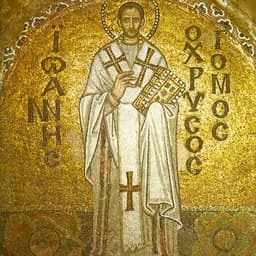
- St. John Chrysostom
- Homilies on Matthew, Hom. 14
- St. Cyril of Alexandria
- Commentary on Luke, on Luke 4:14
- St. Jerome
- Commentary on Matthew (Catena Aurea)
Catena-only in public-domain English on the Gospels.
- Blessed Augustine of Hippo
- The Harmony of the Gospels, Book II
Venerated in the East as Blessed; here through the Catena Aurea on Matthew.
- Remigius
- Commentary on Matthew (Catena Aurea)
Later Western compiler; his Gospel comment survives in public-domain English only through the Catena.
Read the sources: Chrysostom on Matthew, Homily 14 (CCEL) · Cyril on Luke, on Luke 4:14 (tertullian.org) · Catena Aurea on Matthew 4 (CCEL)
Jesus Begins to Preach in Galilee (Matthew 4:12–17)
The texts below are quoted verbatim from public-domain English translations; nothing is paraphrased.
St. John Chrysostom (c. 347–407)
Homilies on the Gospel of Matthew, Homily 14 (on Matthew 4:12–17) Source: trans. in the Nicene and Post-Nicene Fathers, First Series, Vol. 10. Public domain. Full text: https://www.ccel.org/ccel/schaff/npnf110/npnf110.iii.XIV.html
On why He withdraws when He hears that John is delivered up:
On the great light, and the shadow of death:
On the light springing up of itself, and not first sought by men:
On those who did not merely walk, but sat, in darkness:
On why He did not preach until John was cast into prison:
St. Cyril of Alexandria (c. 376–444)
Commentary on the Gospel of Luke (on Luke 4:14–15) Source: trans. R. Payne Smith, Library of Fathers, 1859. Public domain. Full text: https://www.tertullian.org/fathers/cyril_on_luke_02_sermons_12_25.htm
On "Jesus returned in the power of the Spirit into Galilee":
On His working miracles as the true Son of the Father, and not by a gift from without:
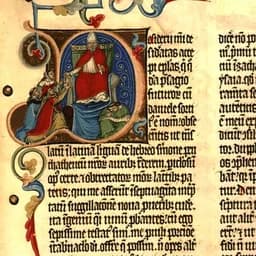
St. Jerome (c. 347–420)
Commentary on Matthew (on Matthew 4:15–17) As preserved in the Catena Aurea on Matthew. Public domain. Full text: https://www.ccel.org/ccel/aquinas/catena1.ii.iv.html
On the great light, not faint like the Prophets' but the light of the world:
On the difference between death and the shadow of death:
On the mystical sense, that the Gospel begins where the Law leaves off:
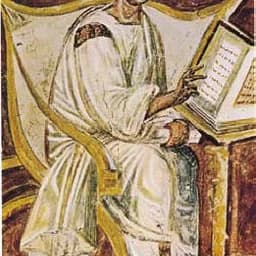
Blessed Augustine of Hippo (354–430)
The Harmony of the Gospels, Book II (on Matthew 4:12) As preserved in the Catena Aurea on Matthew. Public domain. Full text: https://www.ccel.org/ccel/aquinas/catena1.ii.iv.html
On the days that intervened between the calling John records and the return into Galilee the other Evangelists relate:
Remigius (c. 841–908)
Commentary on Matthew (on Matthew 4:13–17) As preserved in the Catena Aurea on Matthew. Public domain. Full text: https://www.ccel.org/ccel/aquinas/catena1.ii.iv.html
(Remigius of Auxerre is a later Western compiler; his Gospel comment survives in public-domain English only through the Catena.)
On leaving Nazareth to preach where He might do the most good, an example to all preachers:
On the kingdom that is at hand being the kingdom of heaven, not an earthly one: