New Wine in Old Wineskins
Matt 9:17; Mark 2:22; Luke 5:37–39 · Early ministry in Galilee
Scripture
Matthew 9:17
either do men put new wine into old bottles: else the bottles break, and the wine runneth out, and the bottles perish: but they put new wine into new bottles, and both are preserved.
King James Version · public domain
Mateu 9:17
dhe as nukë vënë verë të-re ndë kacekë të-vjetërë; sepse ndë vënçinë, kacekëtë humbasënë; po vënë verë të-re ndë kacekë të-rinj, edhe kështu ruhenë të-dyja.
Kristoforidhi, Dhiata e Re Toskërisht 1879 · zotërim publik
In their own words
Such wine is the new covenant, which the old skins because of their unbelief contain not, and are therefore burst by the excellence of the doctrine, and cause the grace of the Spirit to flow in vain; because into an evil soul wisdom will not enter.
St. Gregory of Nyssa, as preserved in the Catena Aurea on Luke (on Luke 5:37–39)
Patristic sources
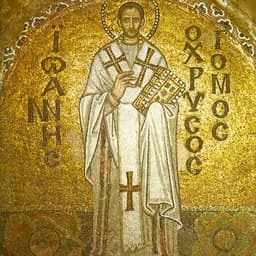
- St. John Chrysostom
- Homilies on Matthew, Hom. 30
- St. Gregory of Nyssa
- Catena Aurea on Luke (Luke 5:37–39)
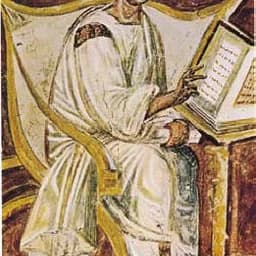
- Blessed Augustine of Hippo
- Catena Aurea on Luke (Luke 5:37–39)
Venerated in the East as Blessed.
- St. Jerome
- Commentary on Matthew (Matthew 9:16–17)
- St. Ambrose of Milan
- Exposition of the Gospel of Luke
- St. Bede the Venerable
- Commentary on the Gospel of Luke (Luke 5:37–39)
Read the sources: Chrysostom on Matthew, Homily 30 (CCEL) · Catena Aurea on Matthew, ch. 9 (CCEL) · Catena Aurea on Luke (isidore.co)
New Wine in Old Wineskins (Matthew 9:17; Mark 2:22; Luke 5:37–39)
The texts below are quoted verbatim from public-domain English translations; nothing is paraphrased.
St. John Chrysostom (c. 347–407)
From his Homilies on the Gospel of Matthew, Homily 30 (on Matthew 9:16–17), trans. in the Nicene and Post-Nicene Fathers, First Series, Vol. 10. Public domain. Full text: https://www.ccel.org/ccel/schaff/npnf110/npnf110.iii.XXX.html
On the new wine and the wineskins as figures drawn, like the Old Testament, from the matter in hand:
St. Gregory of Nyssa (c. 335–395)
As preserved in the Catena Aurea on Luke. Public domain. Full text: https://isidore.co/aquinas/english/CALuke.htm
On the new wine as the new covenant, which the old skins cannot contain:
Blessed Augustine of Hippo (354–430)
As preserved in the Catena Aurea on Luke. Public domain. Full text: https://isidore.co/aquinas/english/CALuke.htm
On the Apostles as old skins, made new to hold the new wine when they received the Holy Spirit:
St. Jerome (c. 347–420)
From his Commentary on Matthew, as preserved in the Catena Aurea on Matthew. Public domain. Full text: https://www.ccel.org/ccel/aquinas/catena1.ii.ix.html
On the old skins as the Scribes and Pharisees, and the new wine as the Gospel poured into the Apostles:
St. Ambrose of Milan (c. 339–397)
From his Exposition of the Gospel of Luke, as compiled in the Catena Aurea on Luke. Public domain. Full text: https://isidore.co/aquinas/english/CALuke.htm
On the wineskins as a figure of the frailty of man's condition:
St. Bede the Venerable (c. 673–735)
From his Commentary on the Gospel of Luke, as compiled in the Catena Aurea on Luke. Public domain. Full text: https://isidore.co/aquinas/english/CALuke.htm
On those habituated to old wine who will not desire the new (Luke 5:39):