Nicodemus and the New Birth
John 3:1–21 · Early ministry in Galilee
Scripture
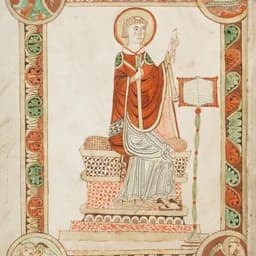
John 3:1–21
here was a man of the Pharisees, named Nicodemus, a ruler of the Jews: 2The same came to Jesus by night, and said unto him, Rabbi, we know that thou art a teacher come from God: for no man can do these miracles that thou doest, except God be with him. 3Jesus answered and said unto him, Verily, verily, I say unto thee, Except a man be born again, he cannot see the kingdom of God. 4Nicodemus saith unto him, How can a man be born when he is old? can he enter the second time into his mother’s womb, and be born? 5Jesus answered, Verily, verily, I say unto thee, Except a man be born of water and of the Spirit, he cannot enter into the kingdom of God. 6That which is born of the flesh is flesh; and that which is born of the Spirit is spirit. 7Marvel not that I said unto thee, Ye must be born again. 8The wind bloweth where it listeth, and thou hearest the sound thereof, but canst not tell whence it cometh, and whither it goeth: so is every one that is born of the Spirit. 9Nicodemus answered and said unto him, How can these things be? 10Jesus answered and said unto him, Art thou a master of Israel, and knowest not these things? 11Verily, verily, I say unto thee, We speak that we do know, and testify that we have seen; and ye receive not our witness. 12If I have told you earthly things, and ye believe not, how shall ye believe, if I tell you of heavenly things? 13And no man hath ascended up to heaven, but he that came down from heaven, even the Son of man which is in heaven. 14And as Moses lifted up the serpent in the wilderness, even so must the Son of man be lifted up: 15That whosoever believeth in him should not perish, but have eternal life. 16For God so loved the world, that he gave his only begotten Son, that whosoever believeth in him should not perish, but have everlasting life. 17For God sent not his Son into the world to condemn the world; but that the world through him might be saved. 18He that believeth on him is not condemned: but he that believeth not is condemned already, because he hath not believed in the name of the only begotten Son of God. 19And this is the condemnation, that light is come into the world, and men loved darkness rather than light, because their deeds were evil. 20For every one that doeth evil hateth the light, neither cometh to the light, lest his deeds should be reproved. 21But he that doeth truth cometh to the light, that his deeds may be made manifest, that they are wrought in God.
King James Version · public domain
Joani 3:1–21
dhe ishte një njeri nga Farisenjtë, që e kishte emërinë Nikodhim, që ishte një nga të-parët’ e Judhenjet. 2Ky erdhi natënë te Jisuj, edhe i tha, Ravvi, e dimë, se nga Perëndia ke ardhurë Mësonjës; sepse asndonjë s’munt të bënjë këto shënja që bën ti, ndë mos qoftë Perëndia bashkë me atë. 3Jisuj upërgjeq e i tha, Me të-vërtetë, me të-vërtetë po të them, ndë mos linttë njeriu prej së-larti, s’munt të shohë mbretërin’ e Perëndisë. 4Nikodhimi i thotë, Si munt të lintnjë njeriu dyke qënë plak? mos munt të hynjë për së-dyti ndë barkt të s’ëmës së ti e të lintnjë. 5Jisuj upërgjeq, Me të-vërtetë, me të-vërtetë po të them, ndë mos linttë njeriu prej uji e prej Fryme, s’munt të hynjë ndë mbretërit të Perë-ndisë. 6Ç’ka lindurë prej mishit, është mish, edhe ç’ka lindurë prej Frymësë, është frymë. 7Mos uçudit sepse të thashë, se Duhetë të lintni ju prej së-larti. 8Era ku të dojë fryn, edhe i dëgjon zënë, po s’di nga vjen, e ku vete; kështu është edhe kushdo që ka lindurë prej Frymësë. 9Nikodhimi upërgjeq e i tha, qysh munt të bënenë këto? 10Jisuj upërgjeq e i tha, ti je mësonjës’ i Israilit, edhe nukë di këto? 11Me të-vërtetë, me të-vërtetë po të them, se atë që dimë flasëmë, edhe për atë që pamë apëmë dëshmim, po dëshmimnë t’ënë nuk’ e prisni. 12Ndë u thashë juve punërat’ e dheut, edhe nukë besoni, qysh dotë besoni, ndë u thënça juve punërat’ e qiellit? 13Edhe asndonjë s’ka hipurë ndë qiellt, veç ay që ka sbriturë nga qielli, i Bir’ i njeriut, që është ndë qiellt. 14Edhe sikundrë Mosiu ngriti lart gjarpërinë ndë shkretëtirët, kështu duhetë të ngrihetë lart edhe i Bir’ i njeriut; 15Që të mos humbasë kushdo që t’i besonjë, po të ketë jetë të-përjetëshme. 16Sepse Perëndia kaqë e deshi botënë, sa dha Birin’ e ti të-vetëmlindurinë, që të mos humbasë kushdo që t’i besonjë ati, po të ketë jetë të-përjetëshme. 17Sepse Perëndia nukë dërgoj të Birrë ndë botët, që të gjykonjë botënë, po që të shpëtonjë bota me anë t’ati. 18Ay që i beson ati, nukë gjykonetë; po ay që nukë beson, që ndashti është dënuarë, sepse nukë besoj mb’emërit të të-vetëmlindurit Bir të Perëndisë. 19Edhe ky është gjyqi, se drita erdhi ndë botët, edhe njerëzitë deshnë më tepërë errësirënë se dritënë; sepse punërat e atyreve ishin të-liga. 20Sepse kushdo që punon punëra të-këqia, i ka mëri dritësë, edhe nukë vjen te drita, që të mos sbulonenë punërat’ e ati. 21Po ay që bën të-vërtetënë, vjen te drita, që të dëftenenë punërat’ e ati, se janë punuarë mbë Perëndinë.
Kristoforidhi, Dhiata e Re Toskërisht 1879 · zotërim publik
In their own words
The serpent's bite was deadly, the Lord's death is life-giving.
Blessed Augustine of Hippo, Tractates on the Gospel of John, Tractate 12 (on John 3:14)
Patristic sources
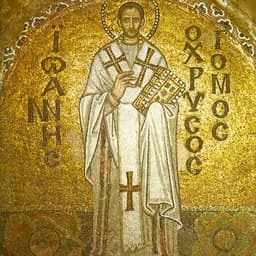
- St. John Chrysostom
- Homilies on the Gospel of John, Homilies 24–27
- St. Cyril of Alexandria
- Commentary on the Gospel of John, Book II
- Theophylact of Ohrid
- Explanation of the Gospel of John
His Gospel exegesis survives in public-domain English only through the Catena Aurea.
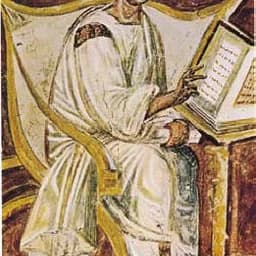
- Blessed Augustine of Hippo
- Tractates on the Gospel of John, Tractates 11–12
Venerated in the East as Blessed; his Johannine tractates are cited in later Byzantine catenae.
- St. Bede the Venerable
- Commentary on the Gospels (on John)
His Gospel exegesis survives in public-domain English only through the Catena Aurea.
Read the sources: Chrysostom on John (CCEL) · Cyril of Alexandria on John, Book 2 (tertullian.org) · Augustine, Tractates on John (CCEL) · Catena Aurea on John (isidore.co)
Nicodemus and the New Birth (John 3:1–21)
The texts below are quoted verbatim from public-domain English translations; nothing is paraphrased.
St. John Chrysostom (c. 347–407)
Homilies on the Gospel of St. John, Homilies 24–27 (on John 3:2–14) Source: trans. in the Nicene and Post-Nicene Fathers, First Series, Vol. 14. Public domain. Full text: https://www.ccel.org/ccel/schaff/npnf114.html
On Nicodemus, who came by night for fear (Homily 24):
On "the wind bloweth where it listeth" (Homily 26):
On the brazen serpent and the Crucified (Homily 27):
St. Cyril of Alexandria (c. 376–444)
Commentary on the Gospel of John, Book II (on John 3:5–16) Source: trans. P. E. Pusey, Library of Fathers, 1874. Public domain. Full text: https://www.tertullian.org/fathers/cyril_on_john_02_book2.htm
On the new birth "of water and of the Spirit":
On the serpent as a figure of the whole mystery of the Incarnation:
On "God so loved the world, that He gave His Only Begotten Son":
Theophylact of Ohrid (c. 1055–1107)
Explanation of the Gospel of John (on John 3:14) As preserved in the Catena Aurea on John. Public domain. Full text: https://isidore.co/aquinas/english/CAJohn.htm
On the aptness of the serpent-figure:
Blessed Augustine of Hippo (354–430)
Tractates on the Gospel of John, Tractates 11–12 (on John 3:8–19) Source: trans. in the Nicene and Post-Nicene Fathers, First Series, Vol. 7. Public domain. Full text: https://www.ccel.org/ccel/schaff/npnf107.html
On the Spirit by whom we are born (John 3:8):
On the serpent lifted up (John 3:14):
On the coming of the Light and the works of men (John 3:19):
St. Bede the Venerable (c. 673–735)
On the Gospel of John (on John 3:1–14) As preserved in the Catena Aurea on John. Public domain. Full text: https://isidore.co/aquinas/english/CAJohn.htm
On the ruler who came by night:
On leading the teacher of the Law to the spiritual sense of the Law: