The Angels and the Shepherds
Luke 2:8–20 · Infancy and childhood
Scripture
Luke 2:8–20
nd there were in the same country shepherds abiding in the field, keeping watch over their flock by night. 9And, lo, the angel of the Lord came upon them, and the glory of the Lord shone round about them: and they were sore afraid. 10And the angel said unto them, Fear not: for, behold, I bring you good tidings of great joy, which shall be to all people. 11For unto you is born this day in the city of David a Saviour, which is Christ the Lord. 12And this shall be a sign unto you; Ye shall find the babe wrapped in swaddling clothes, lying in a manger. 13And suddenly there was with the angel a multitude of the heavenly host praising God, and saying, 14Glory to God in the highest, and on earth peace, good will toward men. 15And it came to pass, as the angels were gone away from them into heaven, the shepherds said one to another, Let us now go even unto Bethlehem, and see this thing which is come to pass, which the Lord hath made known unto us. 16And they came with haste, and found Mary, and Joseph, and the babe lying in a manger. 17And when they had seen it, they made known abroad the saying which was told them concerning this child. 18And all they that heard it wondered at those things which were told them by the shepherds. 19But Mary kept all these things, and pondered them in her heart. 20And the shepherds returned, glorifying and praising God for all the things that they had heard and seen, as it was told unto them.
King James Version · public domain
Lluka 2:8–20
dhe nd’atë vënt ndëpër arat ishinë ca barinj, dyke ruajturë me radhë natënë tufën’ e tyre. 9Edhe javoka një ëngjëll i Zotit erdhi mb’ata, edhe lavdi Zoti ndriti rrotull’ atyre, edhe ufrikësuanë frikë të-madhe. 10Edhe ëngjëlli u tha atyre, Mos frikësohi, sepse na tek po u ap juve zë të-mirë për një gëzim të math, që dotë jetë mbë gjithë llauzinë; 11Sepse sot u lindi juve ndë qytett të Dhavidhit një shpëtimtar, i-cili është Zoti Krisht. 12Edhe këjo dotë jetë shënja ndër ju, Dotë gjeni një foshnjë pshtjellë ndë shpërgënj, dergjurë ndë grashtt. 13Edhe papandehuraj bashkë me ëngjëllinë uduk një shumicë ushtërie qiellore, dyke lavduruarë Perëndinë, e dyke thënë, 14Lavdi mbë Perëndinë që është mbë të-lartat, edhe paqtim mbi dhet, pëlqim ndë njerëzit. 15Edhe ëngjëjtë si iknë prej atyreve ndë qiellt, njerëzitë, barinjtë i thanë njeri tjatërit, Letë vemi tani ndë Vithleem, e të shohëmë këtë punë që është bërë, të-cilënë Zoti na e dëfteu. 16Edhe erdhë me vrap, e gjetnë Mariamën’ edhe Josifnë edhe foshnjënë dërgjurë ndë grashtt. 17Edhe si panë, dëftyenë për fjalënë që ufol mb’ata për këtë djalë. 18Edhe gjith’ ata që dëgjuanë uçuditnë për ato që ufolnë barinjtë. 19Edhe Mariama i ruante me vetëhe gjithë këto fjalë, dyke menduarë për ato ndë zëmërët të saj. 20Edhe barinjtë u kthyenë dyke lavdëruarë e dyke nderuarë Perëndinë për gjith’ ato që dëgjuan’ e panë, sikundrë ufol mb’ata.
Kristoforidhi, Dhiata e Re Toskërisht 1879 · zotërim publik
In their own words
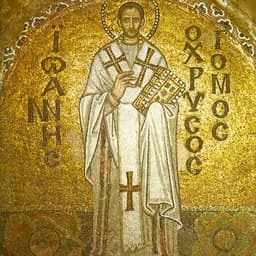
He first brings Angels down to men, and then brings men up to heaven. The heaven became earth, when it was about to receive earthly things.
St. John Chrysostom, as preserved in the Catena Aurea on Luke (on Luke 2:13–14)
Patristic sources
- St. John Chrysostom
- Homilies, as preserved in the Catena Aurea on Luke
The Catena gathers his comment on the shepherds and the angelic song.
- St. Cyril of Alexandria
- Commentary on Luke, as preserved in the Catena Aurea
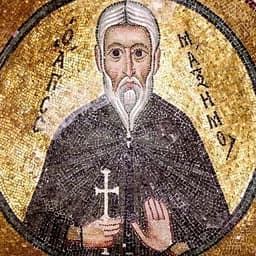
- St. Maximus the Confessor
- as preserved in the Catena Aurea on Luke
- Origen of Alexandria
- as preserved in the Catena Aurea on Luke
Quoted with care; the shepherd-angels reading is one of his tentative mystical expositions, and some of his speculations were condemned in 553.
- St. Ambrose of Milan
- Exposition of the Gospel of Luke, as preserved in the Catena Aurea
- St. Gregory the Great
- as preserved in the Catena Aurea on Luke
- St. Bede the Venerable
- as preserved in the Catena Aurea on Luke
Read the sources: Catena Aurea on Luke (isidore.co)
The Angels and the Shepherds (Luke 2:8–20)
The texts below are quoted verbatim from public-domain English translations; nothing is paraphrased.
St. John Chrysostom (c. 347–407)
As preserved in the Catena Aurea on Luke. Public domain. Full text: https://isidore.co/aquinas/english/CALuke.htm
On why the good tidings came to shepherds and not to the scribes at Jerusalem:
On the angels who once were sent to punish now singing thanksgiving:
On the exchange by which heaven and earth are joined:
St. Cyril of Alexandria (c. 376–444)
As preserved in the Catena Aurea on Luke. Public domain. Full text: https://isidore.co/aquinas/english/CALuke.htm
On the name "Christ" set in the midst of "Savior" and "Lord":
On the peace the angels proclaim, made through Christ:
St. Maximus the Confessor (c. 580–662)
As preserved in the Catena Aurea on Luke. Public domain. Full text: https://isidore.co/aquinas/english/CALuke.htm
On the sign of the swaddling clothes and the manger:
Origen of Alexandria (c. 185–254)
As preserved in the Catena Aurea on Luke. Public domain. Full text: https://isidore.co/aquinas/english/CALuke.htm
(Origen offers what follows as "a more hidden meaning" — a tentative mystical reading; some of his speculations were later condemned in 553.)
On the shepherd-angels who keep watch over the affairs of men:
On how the angels' song of peace agrees with the Lord's word that He came not to send peace:
St. Ambrose of Milan (c. 339–397)
As preserved in the Catena Aurea on Luke. Public domain. Full text: https://isidore.co/aquinas/english/CALuke.htm
On the care with which God builds up our faith through angelic teaching:
On the haste of the shepherds:
On Mary keeping and pondering these things in her heart:
St. Gregory the Great (c. 540–604)
As preserved in the Catena Aurea on Luke. Public domain. Full text: https://isidore.co/aquinas/english/CALuke.htm
On why the vision was granted to shepherds keeping watch:
On the angels rejoicing that their number is completed:
St. Bede the Venerable (c. 673–735)
As preserved in the Catena Aurea on Luke. Public domain. Full text: https://isidore.co/aquinas/english/CALuke.htm
On the sign that the newborn Savior would be wrapped in poor swaddling clothes:
On the multitude of the heavenly host that follows the single angel:
On why they sing both peace to men and glory to God: