The Bread of Life Discourse
John 6:22–59 · Later ministry in Galilee
Scripture
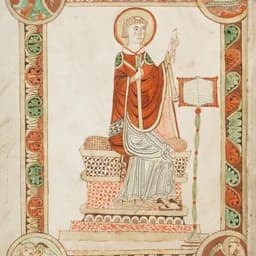
John 6:22–59
he day following, when the people which stood on the other side of the sea saw that there was none other boat there, save that one whereinto his disciples were entered, and that Jesus went not with his disciples into the boat, but that his disciples were gone away alone; 23(Howbeit there came other boats from Tiberias nigh unto the place where they did eat bread, after that the Lord had given thanks:) 24When the people therefore saw that Jesus was not there, neither his disciples, they also took shipping, and came to Capernaum, seeking for Jesus. 25And when they had found him on the other side of the sea, they said unto him, Rabbi, when camest thou hither? 26Jesus answered them and said, Verily, verily, I say unto you, Ye seek me, not because ye saw the miracles, but because ye did eat of the loaves, and were filled. 27Labour not for the meat which perisheth, but for that meat which endureth unto everlasting life, which the Son of man shall give unto you: for him hath God the Father sealed. 28Then said they unto him, What shall we do, that we might work the works of God? 29Jesus answered and said unto them, This is the work of God, that ye believe on him whom he hath sent. 30They said therefore unto him, What sign shewest thou then, that we may see, and believe thee? what dost thou work? 31Our fathers did eat manna in the desert; as it is written, He gave them bread from heaven to eat. 32Then Jesus said unto them, Verily, verily, I say unto you, Moses gave you not that bread from heaven; but my Father giveth you the true bread from heaven. 33For the bread of God is he which cometh down from heaven, and giveth life unto the world. 34Then said they unto him, Lord, evermore give us this bread. 35And Jesus said unto them, I am the bread of life: he that cometh to me shall never hunger; and he that believeth on me shall never thirst. 36But I said unto you, That ye also have seen me, and believe not. 37All that the Father giveth me shall come to me; and him that cometh to me I will in no wise cast out. 38For I came down from heaven, not to do mine own will, but the will of him that sent me. 39And this is the Father’s will which hath sent me, that of all which he hath given me I should lose nothing, but should raise it up again at the last day. 40And this is the will of him that sent me, that every one which seeth the Son, and believeth on him, may have everlasting life: and I will raise him up at the last day. 41The Jews then murmured at him, because he said, I am the bread which came down from heaven. 42And they said, Is not this Jesus, the son of Joseph, whose father and mother we know? how is it then that he saith, I came down from heaven? 43Jesus therefore answered and said unto them, Murmur not among yourselves. 44No man can come to me, except the Father which hath sent me draw him: and I will raise him up at the last day. 45It is written in the prophets, And they shall be all taught of God. Every man therefore that hath heard, and hath learned of the Father, cometh unto me. 46Not that any man hath seen the Father, save he which is of God, he hath seen the Father. 47Verily, verily, I say unto you, He that believeth on me hath everlasting life. 48I am that bread of life. 49Your fathers did eat manna in the wilderness, and are dead. 50This is the bread which cometh down from heaven, that a man may eat thereof, and not die. 51I am the living bread which came down from heaven: if any man eat of this bread, he shall live for ever: and the bread that I will give is my flesh, which I will give for the life of the world. 52The Jews therefore strove among themselves, saying, How can this man give us his flesh to eat? 53Then Jesus said unto them, Verily, verily, I say unto you, Except ye eat the flesh of the Son of man, and drink his blood, ye have no life in you. 54Whoso eateth my flesh, and drinketh my blood, hath eternal life; and I will raise him up at the last day. 55For my flesh is meat indeed, and my blood is drink indeed. 56He that eateth my flesh, and drinketh my blood, dwelleth in me, and I in him. 57As the living Father hath sent me, and I live by the Father: so he that eateth me, even he shall live by me. 58This is that bread which came down from heaven: not as your fathers did eat manna, and are dead: he that eateth of this bread shall live for ever. 59These things said he in the synagogue, as he taught in Capernaum.
King James Version · public domain
Joani 6:22–59
bë të-nesërmet gjindja që kishte ndënju-rë përtej detit, kur panë, se s’ishte atje tjetërë lundrëzë, veç një, ajo, ndë të-cilët hynë nxënësit’ e ti, edhe se nukë hyri Jisuj ndë lundrëzët bashkë me nxënësit’ e ti, po vetëmë nxënësit’ e ati, shkuanë; 23(Edhe të-tjera lundrëza erthnë nga Tiveriadha afër’ ati vëndi ku hëngrrë bukënë, passi ufal ndersë Zoti;) 24Gjindja pra kur pa, se Jisuj nuk është atje, as nxënësit’ e ati, hipnë edhe ata ndëpër lundrat, edhe erthnë ndë Kapernaum dyke kërkuarë Jisunë. 25Edhe si e gjetnë përtej detit, i thanë, Ravvi, kur erdhe këtu? 26Jisuj u upërgjeq atyre e tha, Me të-vërtetë, me të-vërtetë po u them juve, më kërkoni, jo sepse patë çudira, po sepse hëngrëtë nga bukëtë edhe unginjtë. 27Mos punoni për ushqiminë që prishetë, po për ushqiminë që mbetetë për jetë të përjetëshme, të-cilinë dot’u apë juve i Bir’ i njeriut; sepse këtë e vulosi Ati, Perëndia. 28I thanë pra, Ç’të bëjmë, që të punojmë punërat’ e Perëndisë? 29Jisuj upërgjeq e u tha atyre, Këjo është pun’ e Perëndisë, t’i besoni ati që ka dërguar’ ay. 30I thanë pra, Ç’shënjë bën pra ti, që të shohëmë, e të të besojmë ty? ç’punon? 31Atëritë t’anë hëngrrë mannënë ndë shkretëtirtë, sikundrë është shkruarë, “Bukë nga qielli u dha atyre të hanë.” 32Jisuj pra u tha atyre, Me të-vërtetë, me të-vërtetë po u them juve, Moisiu nuk’ u dha juve bukënë nga qielli; po im Atë u ep juve bukën’ e-vërtetë nga qielli. 33Sepse buk’ e Perëndisë ësht’ ay që sbret nga qielli, edhe që i ep jetë botësë. 34I thanë pra, Zot, ep-na përherë këtë bukë. 35Edhe Jisuj u tha atyre, Unë jam buk’ e jetësë; ay që vjen tek unë, nukë dotë ketë uri; edhe ay që më beson, nukë dotë ketë et kurrë. 36Po u thashë juve, se edhe më patë edhe nukë besoni. 37Gjithë ç’më ep Ati, dotë vinjë tek unë; edhe atë që të vinjë tek unë, nukë dot’e nxjer jashtë; 38Sepse kam sbriturë nga qielli, jo për të bërë dashuriminë t’im, po dashurimin’ e ati që më ka dërguarë. 39Edhe ky është dashurimi i Atit që më ka dërguarë, prej gjithë ç’më ka dhënë të mos humbas asgjë, po t’a ngjall ndë ditët të-pastajme. 40Edhe ky është dashurimi i ati që më ka dërguarë, kushdo që sheh Birinë e i beson, të ketë jetë të-përjetëshme; edhe unë dot’a ngjall ndë ditët të-pastajme. 41Judhenjtë pra murmurisninë për atë, se tha, Unë jam buka që sbrita nga qielli; 42Edhe thoshinë, Nuk’ është ky Jisuj, i bir’ i Josifit, të-cilit neve i njohëmë t’an’ edhe t’ëmënë; qysh thotë pra ky, Se kam sbriturë nga qielli? 43Jisuj pra upërgjeq e u tha atyre, Mos murmurisni ndë mest t’uaj. 44Asndonjë s’munt të vinjë tek unë, ndë mos e heqtë Ati që më ka dërguarë; edhe unë dot’a ngjall atë ndë ditët të-pastajme. 45Eshtë shkruarë ndë profitërit, “Edhe të-gjithë dotë jenë të-mësuarë nga Perëndia.” Kushdo pra që ka dëgjuarë prej Atit, edhe është mësuarë, vjen tek unë. 46Jo se ka parë ndonjë Atinë, veç ay që është nga Perëndia; ky e ka parë Atinë. 47Me të-vërtetë po u them juve, Ay që më beson ka jetë të-përjetëshme. 48Unë jam buk’ e jetësë. 49Atëritë t’uaj hëngrrë mannënë ndë shkretëtirët, edhe vdiqnë. 50Këjo është buka që sbret nga qielli, që të hajë ndonjë prej asaj, edhe të mos vdesë. 51Unë jam buk’ e-gjallë që sbriti nga qielli. Ndë hëngrëtë njeri prej kësaj buke, dotë rronjë për gjithë jetënë. Edhe buka që dot’a ap unë, është mishi im, të-cilinë unë dot’a ap për jetën’ e botësë. 52Judhenjtë pra haheshinë njëri me tjatrinë, dyke thënë, Qysh munt të na apë ky të hamë mishin’ e ati? 53Jisuj pra u tha atyre, Me të-vërtetë, me të-vërtetë po u them juve, Ndë mos hëngrëshi mishin’ e të Birit të njeriut, edhe ndë mos pifshi gjakun’ e ati, s’keni jetë ndë vetëhet t’uaj. 54Ay që ha mishinë t’im, edhe pi gjakunë t’im, ka jetë të-përjetëshme, edhe unë dot’a ngjall ndë ditët të-pastajme. 55Sepse mishi im është me të-vërtetë ushqim, edhe gjaku im është me të-vërtetë të-pirë. 56Ay që ha mishinë t’im, edhe pi gjakunë t’im, mbetetë tek unë, edhe unë tek ay. 57Sikundrë më dërgoj Ati që rron, edhe unë rronj për Atinë, kështu edhe ay që ha mua, dotë rronjë edhe ay për mua. 58Këjo është buka që sbriti nga qielli; jo sikundrë atëritë t’anë hëngrrë mannënë, edhe vdiqnë; ay që ha këtë bukë, dotë rronjë për gjithë jetënë. 59Këto tha ndë sinagogjit dyke mësuarë ndë Kapernaum.
Kristoforidhi, Dhiata e Re Toskërisht 1879 · zotërim publik
In their own words
Wherefore the Body of Christ giveth life to all who partake of It.
St. Cyril of Alexandria, Commentary on the Gospel of John, Book IV (on John 6:53)
Patristic sources
- St. John Chrysostom
- Homilies on the Gospel of John, Hom. 44
- Homilies on the Gospel of John, Hom. 47
- St. Cyril of Alexandria
- Commentary on the Gospel of John, Books III–IV
- Theophylact of Ohrid
- Explanation of the Gospel of John
No standalone public-domain English edition; his exposition survives here only as preserved in the Catena Aurea on John.
- Blessed Augustine of Hippo
- Tractates on the Gospel of John, Tractate 26
Venerated in the East as Blessed; his Johannine tractates are cited in later Byzantine catenae.
- St. Bede the Venerable
- Homilies on the Gospels
His Gospel exegesis has no standalone public-domain English edition; quoted here as preserved in the Catena Aurea on John.
Read the sources: Chrysostom on John (CCEL, NPNF 1-14) · Cyril on John, Book IV (tertullian.org) · Cyril on John, Book III (tertullian.org) · Augustine, Tractates on John (CCEL, NPNF 1-7) · Catena Aurea on John (isidore.co)
The Bread of Life Discourse (John 6:22–59)
The texts below are quoted verbatim from public-domain English translations; nothing is paraphrased.
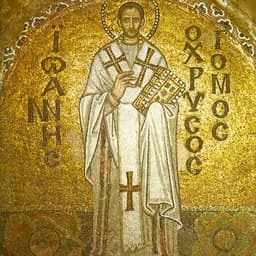
St. John Chrysostom (c. 347–407)
Homilies on the Gospel of John, Homilies 44 and 47 (on John 6:27–56), trans. G. T. Stupart, Nicene and Post-Nicene Fathers, First Series, Vol. 14. Public domain. Full text: https://www.ccel.org/ccel/schaff/npnf114.html
On "Labour not for the meat which perisheth" (John 6:27):
On "Except ye eat the flesh of the Son of man" (John 6:53), that the saying is necessary and no mere parable:
On "my flesh is meat indeed" (John 6:55):
St. Cyril of Alexandria (c. 376–444)
Commentary on the Gospel of John, Books III–IV (on John 6:35–56), trans. P. E. Pusey, Library of Fathers, 1874. Public domain. Full text: https://www.tertullian.org/fathers/cyril_on_john_04_book4.htm
On "I am the bread of life" (John 6:35):
On how the Word makes His own flesh life-giving:
Theophylact of Ohrid (c. 1055–1107)
Explanation of the Gospel of John (on John 6:35–56), as preserved in the Catena Aurea on John, trans. J. H. Newman, 1841. Public domain. Full text: https://isidore.co/aquinas/english/CAJohn.htm
On "he that cometh to me shall never hunger" (John 6:35):
On why the flesh of Christ is quickening:
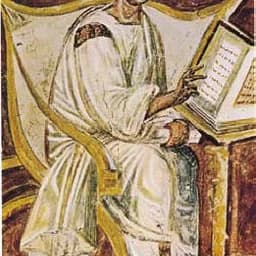
Blessed Augustine of Hippo (354–430)
Tractates on the Gospel of John, Tractate 26 (on John 6:41–59), trans. John Gibb, Nicene and Post-Nicene Fathers, First Series, Vol. 7. Public domain. Full text: https://www.ccel.org/ccel/schaff/npnf107.html
On "No man can come to me, except the Father which hath sent me draw him" (John 6:44):
On eating the bread of life inwardly, by faith:
St. Bede the Venerable (c. 673–735)
Homilies on the Gospels (on John 6:51), as preserved in the Catena Aurea on John, trans. J. H. Newman, 1841. Public domain. Full text: https://isidore.co/aquinas/english/CAJohn.htm
On "the bread that I will give is my flesh, for the life of the world" (John 6:51):