The Flight into Egypt
Matt 2:13–15 · Infancy and childhood
Scripture
Matthew 2:13–15
nd when they were departed, behold, the angel of the Lord appeareth to Joseph in a dream, saying, Arise, and take the young child and his mother, and flee into Egypt, and be thou there until I bring thee word: for Herod will seek the young child to destroy him. 14When he arose, he took the young child and his mother by night, and departed into Egypt: 15And was there until the death of Herod: that it might be fulfilled which was spoken of the Lord by the prophet, saying, Out of Egypt have I called my son.
King James Version · public domain
Mateu 2:13–15
dhe passi iknë ata, ja një ëngjëll’ i Zotit tek i duketë nd’ëndërrë Josifit, dyke thënë, Ngreu e merr me vetëhe djalën’ edhe t’ëmën’ e ati, edhe ikë ndë Egjyptë; edhe rri atje gjer kur të të them tyj; sepse Irodhi dotë kërkonjë djalënë që t’a prishnjë. 14Edhe ay u ngrit, e mori me vetëhe djalën’ edhe t’ëmën’ e ati natënë, edhe iku ndë Egjyptë; 15Edhe ndenji atje gjer mbë vdekëjet të Irodhit; që të mbushetë e-thëna prej Zotit me anë të profitit, që thotë: “Nga Egjypta thirra t’im bir.”
Kristoforidhi, Dhiata e Re Toskërisht 1879 · zotërim publik
In their own words
And behold a wonder again. Palestine plots, and Egypt receives and preserves Him that is the object of the plots.
St. John Chrysostom, Homilies on Matthew, Homily VIII (on Matt 2:13–15)
Patristic sources
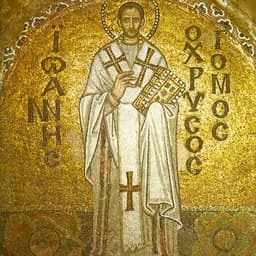
- St. John Chrysostom
- Homilies on Matthew, Hom. 8
- Blessed Augustine of Hippo
- Catena Aurea on Matthew (on Matt 2:13–15)
Venerated in the East as Blessed; here preserved through the Catena Aurea on Matthew.
- St. Jerome
- Commentary on Matthew; Commentary on Hosea (Catena Aurea on Matthew)
- St. Hilary of Poitiers
- Commentary on Matthew (Catena Aurea on Matthew)
- St. Bede the Venerable
- Homily on the Innocents (Catena Aurea on Matthew)
Read the sources: Chrysostom, Homilies on Matthew, Homily VIII (CCEL, NPNF1-10) · Catena Aurea on Matthew, ch. 2 (CCEL)
The Flight into Egypt (Matthew 2:13–15)
The texts below are quoted verbatim from public-domain English translations; nothing is paraphrased.
St. John Chrysostom (c. 347–407)
Homilies on the Gospel of Matthew, Homily VIII (on Matthew 2:13–15) Source: trans. in the Nicene and Post-Nicene Fathers, First Series, Vol. 10. Public domain. Full text: https://www.ccel.org/ccel/schaff/npnf110.iii.VIII.html
On why the Child does not stay to confront Herod but flees, that His taking of flesh might be believed:
On the flight as a school of self-command, teaching us to look from the outset for trials:
On Egypt, which plotted of old, now receiving and preserving Him:
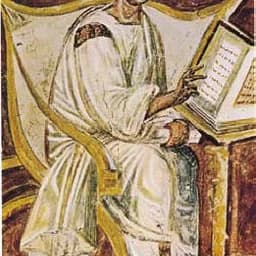
Blessed Augustine of Hippo (354–430)
As preserved in the Catena Aurea on Matthew. Public domain. Full text: https://www.ccel.org/ccel/aquinas/catena1.ii.ii.html
On the mystery of Christ going down into Egypt to enlighten it, not to escape His foes:
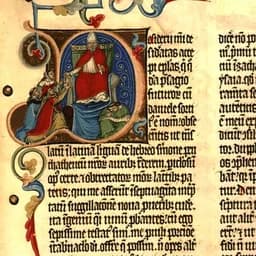
St. Jerome (c. 347–420)
As preserved in the Catena Aurea on Matthew. Public domain. Full text: https://www.ccel.org/ccel/aquinas/catena1.ii.ii.html
On the night of the going down and the light of the return:
On why the Evangelist cites Hosea, "Out of Egypt have I called my Son":
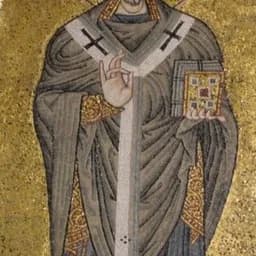
St. Hilary of Poitiers (c. 310–367)
As preserved in the Catena Aurea on Matthew. Public domain. Full text: https://www.ccel.org/ccel/aquinas/catena1.ii.ii.html
On Egypt, the old house of idols, made the place of Christ's cherishing:
St. Bede the Venerable (c. 673–735)
As preserved in the Catena Aurea on Matthew. Public domain. Full text: https://www.ccel.org/ccel/aquinas/catena1.ii.ii.html
On the flight as Christ first practising the counsel He would later give His own: