The Greeks Seek Jesus; the Grain of Wheat
John 12:20–36 · Passion week in Jerusalem
Scripture
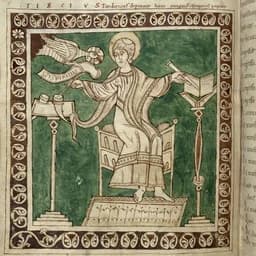
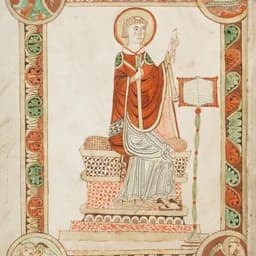
John 12:20–36
nd there were certain Greeks among them that came up to worship at the feast: 21The same came therefore to Philip, which was of Bethsaida of Galilee, and desired him, saying, Sir, we would see Jesus. 22Philip cometh and telleth Andrew: and again Andrew and Philip tell Jesus. 23And Jesus answered them, saying, The hour is come, that the Son of man should be glorified. 24Verily, verily, I say unto you, Except a corn of wheat fall into the ground and die, it abideth alone: but if it die, it bringeth forth much fruit. 25He that loveth his life shall lose it; and he that hateth his life in this world shall keep it unto life eternal. 26If any man serve me, let him follow me; and where I am, there shall also my servant be: if any man serve me, him will my Father honour. 27Now is my soul troubled; and what shall I say? Father, save me from this hour: but for this cause came I unto this hour. 28Father, glorify thy name. Then came there a voice from heaven, saying, I have both glorified it, and will glorify it again. 29The people therefore, that stood by, and heard it, said that it thundered: others said, An angel spake to him. 30Jesus answered and said, This voice came not because of me, but for your sakes. 31Now is the judgment of this world: now shall the prince of this world be cast out. 32And I, if I be lifted up from the earth, will draw all men unto me. 33This he said, signifying what death he should die. 34The people answered him, We have heard out of the law that Christ abideth for ever: and how sayest thou, The Son of man must be lifted up? who is this Son of man? 35Then Jesus said unto them, Yet a little while is the light with you. Walk while ye have the light, lest darkness come upon you: for he that walketh in darkness knoweth not whither he goeth. 36While ye have light, believe in the light, that ye may be the children of light. These things spake Jesus, and departed, and did hide himself from them.
King James Version · public domain
Joani 12:20–36
dhe ishinë ca Grekër ndër mest t’atyreve që kishinë hipurë për të falurë ndë të-kremtet. 21Këta pra erthnë te Filippi që ishte prej Vithsaidhas’ së Galilesë, edhe i luteshinë, dyke thënë, Zot, duamë të shohëmë Jisunë. 22Filippi vjen e i thotë Andhreut; edhe përsëri Andhreu edhe Filippi i thonë Jisujt. 23Edhe Jisuj u upërgjeq atyre, dyke thënë, Erdhi ora që të lavduronet’ i Bir’ i njeriut. 24Me të-vërtetë, me të-vërtetë po u them juve, Ndë mos rëntë koq’ e grurit ndë dhet e të vdesë, ajo mbetetë e-vetëme; po ndë vdektë, bie shumë pemë. 25Ay që do jetën’ e ti dot’a humbasë; po ay që mërzit jetën’ e ti ndë këtë botë, dot’a ruanjë për jetë të-përjetëshme. 26Ndë më shërben ndonjë, letë më vinjë pas; edhe ku të jem unë, atje dotë jetë edhe shërbëtori im; edhe ndë qoftë se më shërben ndonjë, Ati dot’a nde-ronjë. 27Ndashti shpirti im ësht’ i-trumbulluarë; edhe ç’të them? Atë, shpëto-më nga kjo orë. Po përandaj erdha ndë këtë orë. 28Atë, lavduro emërinë t’ënt. Erdhi pra një zë nga qielli, Edhe e lavdurova, edhe përsëri dot’a lavduronj. 29Gjindja pra që kishte ndënjurë edhe dëgjoj zënë, thoshte, se ubë bumbullimë; të-tjerë thoshinë, se ëngjëll i foli ati. 30Jisuj upërgjeq e tha, ky zë nuk’ ubë për mua, po për ju. 31Ndashti është gjyqi i kësaj bote; ndashti urdhërtari i kësaj bote dotë hidhetë jashtë. 32Edhe unë nd’ungriça lart nga dheu, dot’i heq të-gjithë pas vetëhesë s’ime. - 33(Edhe këtë e thoshte dyke dëftyerë me çfarë vdekjeje dotë vdiste.) 34Gjindja upërgjeq, Neve kemi dëgjuarë nga nomi, se Krishti mbetetë për jetën’ e jetësë; qysh thua pra ti, se i Bir’ i njeriut duhetë të ngrihetë lart? cili është ky Bir’ i njeriut? 35Jisuj pra utha atyre, Edhe pakëzë kohë është drita bashkë me ju. Ecëni gjersa keni dritënë, që të mos u zërë juve errësira; sepse ay që ecën nd’errësirët, nukë di se ku vete. 36Gjersa kini dritënë, t’i besoni dritësë, që të bëneni bij të dritësë - Këto foli Jisuj, edhe iku e ufsheh prej atyreve.
Kristoforidhi, Dhiata e Re Toskërisht 1879 · zotërim publik
In their own words
He Himself was the grain that had to die, and be multiplied; to suffer death through the unbelief of the Jews, and to be multiplied in the faith of many nations.
Blessed Augustine of Hippo, Tractates on the Gospel of John, Tractate 51 (on John 12:24)
Patristic sources
- St. John Chrysostom
- Homilies on the Gospel of St. John, Hom. 66
- Homilies on the Gospel of St. John, Hom. 67
- St. Cyril of Alexandria
- Commentary on the Gospel of John, Book 8
- Theophylact of Ohrid
- Exposition of the Gospel of John (Catena Aurea)
His Johannine exposition survives in PD English only through the Catena Aurea.
- Blessed Augustine of Hippo
- Tractates on the Gospel of John, Tractates 51–52
Venerated in the East as Blessed; his Johannine tractates are cited in later Byzantine catenae.
- St. Gregory the Great
- Catena Aurea on John
His Gospel exegesis is public domain in English only through the Catena Aurea.
- St. Bede the Venerable
- Catena Aurea on John
His Gospel exegesis is public domain in English only through the Catena Aurea.
Read the sources: Chrysostom, Homilies on John 66–67 (CCEL) · Cyril of Alexandria on John, Book 8 (tertullian.org) · Augustine, Tractates on John 51–52 (CCEL) · Catena Aurea on John (isidore.co)
The Greeks Seek Jesus and the Grain of Wheat (John 12:20–36)
The texts below are quoted verbatim from public-domain English translations; nothing is paraphrased.
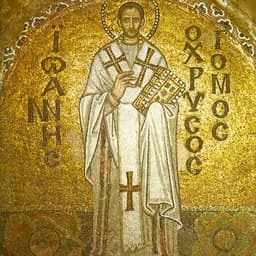
St. John Chrysostom (c. 347–407)
Homilies on the Gospel of St. John, Homilies 66–67 (on John 12:20–32). Trans. in the Nicene and Post-Nicene Fathers, First Series, Vol. 14. Public domain. Full text: https://www.ccel.org/ccel/schaff/npnf114.iv.lxviii.html
On why the coming of the Greeks tells Him "the hour is come":
On "Except a corn of wheat fall into the ground and die":
On the seed as the proof of resurrection:
On "He that loveth his life shall lose it":
On "Now is my soul troubled" and "Father, glorify thy name":
On the voice from heaven:
On "And I, if I be lifted up, will draw all men unto me":
St. Cyril of Alexandria (c. 376–444)
Commentary on the Gospel of John, Book VIII (on John 12:24–32). Trans. T. Randell, Library of Fathers, 1885. Public domain. Full text: https://www.tertullian.org/fathers/cyril_on_john_08_book8.htm
On why He counted His suffering most precious:
On "Now is my soul troubled":
On the lifting up that is an exaltation:
On "will draw all men unto me":
Theophylact of Ohrid (c. 1055–1107)
Exposition of the Gospel of John (on John 12:25), as preserved in the Catena Aurea on John. Public domain. Full text: https://isidore.co/aquinas/english/CAJohn.htm
On "he that hateth his life in this world shall keep it unto life eternal":
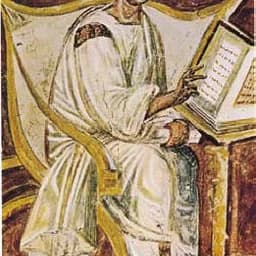
Blessed Augustine of Hippo (354–430)
Tractates on the Gospel of John, Tractates 51–52 (on John 12:24–31). Trans. in the Nicene and Post-Nicene Fathers, First Series, Vol. 7. Public domain. Full text: https://www.ccel.org/ccel/schaff/npnf107.iii.lii.html
On "Except a grain of wheat fall into the ground and die":
On loving and hating one's own life:
On "Now is my soul troubled":
On "Now is the judgment of this world, now shall the prince of this world be cast out":
St. Gregory the Great (c. 540–604)
As preserved in the Catena Aurea on John (on John 12:28). Public domain. Full text: https://isidore.co/aquinas/english/CAJohn.htm
On the voice that came from heaven:
St. Bede the Venerable (c. 673–735)
As preserved in the Catena Aurea on John (on John 12:24). Public domain. Full text: https://isidore.co/aquinas/english/CAJohn.htm
On the grain sown in the field of this world: