The Guards at the Tomb
Matt 27:62–66; 28:11–15 · Post-Resurrection
Scripture
Matthew 27:62–66
ow the next day, that followed the day of the preparation, the chief priests and Pharisees came together unto Pilate, 63Saying, Sir, we remember that that deceiver said, while he was yet alive, After three days I will rise again. 64Command therefore that the sepulchre be made sure until the third day, lest his disciples come by night, and steal him away, and say unto the people, He is risen from the dead: so the last error shall be worse than the first. 65Pilate said unto them, Ye have a watch: go your way, make it as sure as ye can. 66So they went, and made the sepulchre sure, sealing the stone, and setting a watch.
King James Version · public domain
Mateu 27:62–66
dhe mbë të-nesërmenë, që është pas së-prëmtesë, umblothnë krye-priftërit’ edhe Farisenjtë te Pillati, 63Dyke thënë, Zot, neve mbajmë mënt, se ay gënjeshtari tha kur qe edhe i-gjallë, se Pas tri ditsh dotë ngjallem. 64Urdhëro pra të ruhetë varri gjer mbë të-tretënë ditë, se-mos vijnë nxënësit’ e ati natën’ edhe e vjedhënë, edhe i thonë llauzit, se Ungjall nga të-vdekuritë; edhe gënjeshtr’ e-pastajme dotë jetë më e-keqe se e-para. 65Edhe Pillati u tha atyre, Keni ruajtës, shkoni, e siguro-e-ni si të dini. 66Edhe ata vanë e siguruanë varrinë, dyke vulosurë gurinë bashkë me ruajtësitë.
Kristoforidhi, Dhiata e Re Toskërisht 1879 · zotërim publik
In their own words
But if the guards slept, how saw they the theft? And if they saw it not, how could they witness thereto?
Remigius, Commentary on Matthew (on Matthew 28:11–15) (Catena Aurea)
Patristic sources
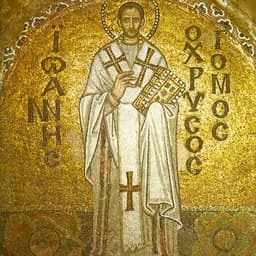
- St. John Chrysostom
- Homilies on Matthew, Hom. 89
- Homilies on Matthew, Hom. 90
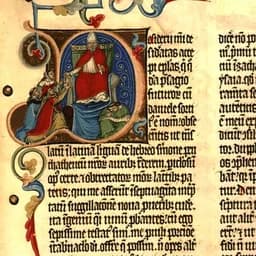
- St. Jerome
- Commentary on Matthew
Catena-only in public-domain English on the Gospels.
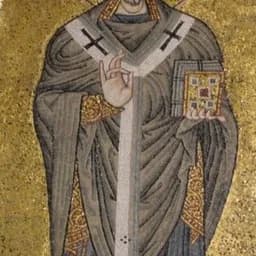
- St. Hilary of Poitiers
- Commentary on Matthew
Catena-only in public-domain English.
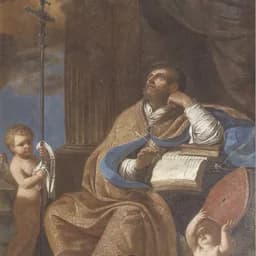
- St. Peter Chrysologus
- Sermons
Bishop of Ravenna; preserved here through the Catena Aurea.
- Remigius of Auxerre
- Commentary on Matthew
A later Carolingian compiler; his comment survives only as preserved in the Catena Aurea.
Read the sources: Chrysostom on Matthew, Homily 89 (CCEL, NPNF1-10) · Chrysostom on Matthew, Homily 90 (CCEL, NPNF1-10) · Catena Aurea on Matthew 27 (CCEL) · Catena Aurea on Matthew 28 (CCEL)
The Guards at the Tomb (Matthew 27:62–66; 28:11–15)
The texts below are quoted verbatim from public-domain English translations; nothing is paraphrased.
St. John Chrysostom (c. 347–407)
Homilies on the Gospel of Matthew, Homilies LXXXIX–XC (on Matthew 27:62–66; 28:11–15) Source: trans. in the Nicene and Post-Nicene Fathers, First Series, Vol. 10. Public domain. Full text: https://www.ccel.org/ccel/schaff/npnf110.iii.LXXXV.html
On how the enemies, in asking for the seal and the watch, are made against their will to establish the facts of the burial and the rising:
On the sealed tomb found empty, which turns their own precaution into incontrovertible proof:
On the seal, the stone, and the watch that could not hold Him:
On the soldiers bribed to say the disciples stole the body, that truth is the brighter for being proclaimed by its adversaries (Homily XC, on Matthew 28:11–15):
On the folly of the tale of the theft, the great stone and the sleeping guards:
St. Jerome (c. 347–420)
Commentary on Matthew (on Matthew 27:62–66; 28:11–15) As preserved in the Catena Aurea on Matthew. Public domain. Full text: https://www.ccel.org/ccel/aquinas/catena1.ii.xxvii.html
On the chief priests who would not rest until they had guarded the sepulchre:
On the money of the Temple turned to the purchase of a lie (on Matthew 28:11–15):
St. Hilary of Poitiers (c. 310–367)
Commentary on Matthew (on Matthew 27:62–66; 28:11–15) As preserved in the Catena Aurea on Matthew. Public domain. Full text: https://www.ccel.org/ccel/aquinas/catena1.ii.xxvii.html
On the sealing and the watch as marks of folly and unbelief:
On the Resurrection they sought to conceal by money (on Matthew 28:11–15):
St. Peter Chrysologus (c. 380–450)
Sermons (on Matthew 28:11–15) As preserved in the Catena Aurea on Matthew. Public domain. Full text: https://www.ccel.org/ccel/aquinas/catena1.ii.xxviii.html
On the charge of theft, and how in truth the disciples bore their Master away not by fraud but by faith:
On the report that the money bought, and what faith proclaimed instead:
Remigius of Auxerre (c. 841–908)
Commentary on Matthew (on Matthew 28:11–15) As preserved in the Catena Aurea on Matthew. Public domain. Full text: https://www.ccel.org/ccel/aquinas/catena1.ii.xxviii.html
(Remigius is a later Carolingian compiler; his comment survives only as preserved in the Catena Aurea.) On the self-refuting lie, that sleeping guards can be no witnesses to a theft: