The Massacre of the Innocents
Matt 2:16–18 · Infancy and childhood
Scripture
Matthew 2:16–18
hen Herod, when he saw that he was mocked of the wise men, was exceeding wroth, and sent forth, and slew all the children that were in Bethlehem, and in all the coasts thereof, from two years old and under, according to the time which he had diligently enquired of the wise men. 17Then was fulfilled that which was spoken by Jeremy the prophet, saying, 18In Rama was there a voice heard, lamentation, and weeping, and great mourning, Rachel weeping for her children, and would not be comforted, because they are not.
King James Version · public domain
Mateu 2:16–18
tëherë Irodhi, kur pa se ugënjye nga magjishtarëtë, uzëmërua fort, edhe dërgoj e vrau gjithë djemtë që ishinë ndë Vithlehemë, e ndë për gjithë sinoret t’asaj, që mbë dy vjeç e poshtë, si pas kohësë që kishte marrë vesh mirë nga magjishtarëtë. 17Atëherë umbush ç’është thënë nga profiti Jeremi, që thotë: 18“Zë udëgjua ndë Rama, vajë e të qarë e gjëmë shumë; Rahilla qante djemt’ e saj, edhe nukë donte të ngushullonej, sepse nukë janë.”
Kristoforidhi, Dhiata e Re Toskërisht 1879 · zotërim publik
In their own words
O blessed infants! He only will doubt of your crown in this your passion for Christ, who doubts that the baptism of Christ has a benefit for infants.
Blessed Augustine of Hippo, Sermon 373 (on Matthew 2:16–18) (Catena Aurea)
Patristic sources
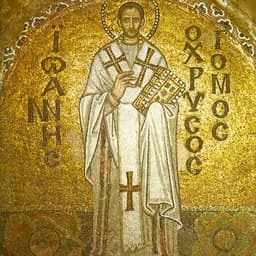
- St. John Chrysostom
- Homilies on Matthew, Hom. 9
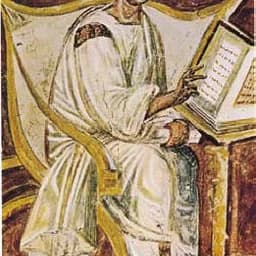
- Blessed Augustine of Hippo
- Sermons on the Holy Innocents (Serm. 220; Serm. 373)
Venerated in the East as Blessed; quoted here as preserved in the Catena Aurea on Matthew.
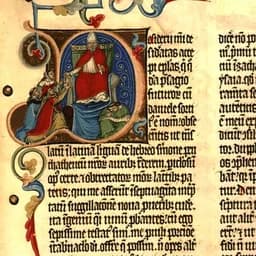
- St. Jerome
- Commentary on Matthew
Catena-only in public-domain English.
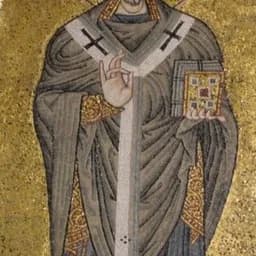
- St. Hilary of Poitiers
- Commentary on Matthew
Catena-only in public-domain English.
- St. Bede the Venerable
- Homilies on the Gospels
Catena-only in public-domain English for the Gospels.
Read the sources: Chrysostom on Matthew, Homily 9 (CCEL) · Catena Aurea on Matthew 2 (CCEL)
The Massacre of the Innocents (Matthew 2:16–18)
The texts below are quoted verbatim from public-domain English translations; nothing is paraphrased.
St. John Chrysostom (c. 347–407)
Homilies on the Gospel of Matthew, Homily 9 (on Matthew 2:16–18) Source: trans. in the Nicene and Post-Nicene Fathers, First Series, Vol. 10. Public domain. Full text: https://www.ccel.org/ccel/schaff/npnf110/npnf110.iii.IX.html
On Herod's rage, vented upon the children that had done no wrong:
On where the guilt of the slaughter truly lay:
On the mystery of God's permitting their death, and the recompense of rewards laid up for them:
On the fulfilment of Jeremiah, that God both knew and foretold it:
Blessed Augustine of Hippo (354–430)
Sermons on the Holy Innocents (on Matthew 2:16–18) As preserved in the Catena Aurea on Matthew. Public domain. Full text: https://www.ccel.org/ccel/aquinas/catena1.ii.ii.html
On the innocents as an army arrayed for Christ (Serm. 220):
On their crown, and that they did not perish but passed to a higher bliss (Serm. 373):
St. Jerome (c. 347–420)
Commentary on Matthew (on Matthew 2:16–18) As preserved in the Catena Aurea on Matthew. Public domain. Full text: https://www.ccel.org/ccel/aquinas/catena1.ii.ii.html
On why Rachel, mother of Benjamin, weeps for the children of Judah:
On the two senses in which she "would not be comforted":
St. Hilary of Poitiers (c. 310–367)
Commentary on Matthew (on Matthew 2:16–18) As preserved in the Catena Aurea on Matthew. Public domain. Full text: https://www.ccel.org/ccel/aquinas/catena1.ii.ii.html
On the children who "were not," yet by martyrdom were advanced to eternal life:
On Rachel as a type of the Church, barren now at length made fruitful:
St. Bede the Venerable (c. 673–735)
Homilies on the Gospels (on Matthew 2:16–18) As preserved in the Catena Aurea on Matthew. Public domain. Full text: https://www.ccel.org/ccel/aquinas/catena1.ii.ii.html
On the death of the children figuring the precious death of all Christ's martyrs: