The Plot to Kill Jesus
Matt 26:1–5, 14–16; Mark 14:1–2, 10–11; Luke 22:1–6 · Passion week in Jerusalem
Scripture
Matthew 26:1–5, 14–16
nd it came to pass, when Jesus had finished all these sayings, he said unto his disciples, 2Ye know that after two days is the feast of the passover, and the Son of man is betrayed to be crucified. 3Then assembled together the chief priests, and the scribes, and the elders of the people, unto the palace of the high priest, who was called Caiaphas, 4And consulted that they might take Jesus by subtilty, and kill him. 5But they said, Not on the feast day, lest there be an uproar among the people. 14Then one of the twelve, called Judas Iscariot, went unto the chief priests, 15And said unto them, What will ye give me, and I will deliver him unto you? And they covenanted with him for thirty pieces of silver. 16And from that time he sought opportunity to betray him.
King James Version · public domain
Mateu 26:1–5, 14–16
dhe Jisuj kur mbaroj gjithë këto fjalë, u tha nxënësvet të ti, 2E dini se pas dy ditsh është pashka, edhe i Bir’ i njeriut epetë ndë duar për të kryqëzuarë. 3Atëhere umblothnë krye-priftërit’ edhe shkronjësit’ edhe pleqt’ e llauzit ndë avllit të krye-priftit, që thuhej Kaiafë; 4Edhe bënë këshillë që t’a zënë Jisunë me kobim, edhe t’a vrasënë. 5Edhe thoshinë, Jo ndë të-kremtet, që të mos bënetë trazyrë ndë gjindjet. 14Atëhere një nga të dy-mbë-dhjetë, ay që quhej Judhë Iskariot, vate te krye-priftërit’ e tha, 15Ç’dotë më epni, edhe unë t’u ap juve atë ndër duar? 16Edhe ata i dhanë tri-dhjet’ argjënda. Edhe që mb’atëhere kërkonte kohë të-pëlqyerë t’a epte ndër duar.
Kristoforidhi, Dhiata e Re Toskërisht 1879 · zotërim publik
In their own words
Satan entered into Judas not by force, but finding the door open. For forgetful of all that he had seen, Judas now turned his thoughts solely to covetousness.
Titus of Bostra, Commentary on Luke (on Luke 22:3) (Catena Aurea)
Patristic sources
- St. John Chrysostom
- Homilies on Matthew, Hom. LXXX
- Theophylact of Ohrid
- Explanation of Luke
- Titus of Bostra
- Commentary on Luke
- Origen of Alexandria
- Commentary on Matthew
Quote with care; some of his speculations were condemned in 553. The Catena excerpts here bear on the betrayal and are doctrinally unremarkable.
- Blessed Augustine of Hippo
- Questions on the Gospels, Bk. I, 41
Venerated in the East as Blessed.
- St. Jerome
- Commentary on Matthew
- St. Hilary of Poitiers
- Commentary on Matthew
- St. Leo the Great
- Sermon 60
Read the sources: Chrysostom on Matthew, Homily LXXX (CCEL) · Catena Aurea on Matthew 26 (CCEL) · Catena Aurea on Luke (isidore.co)
The Plot to Kill Jesus (Matthew 26:1–5, 14–16)
The texts below are quoted verbatim from public-domain English translations; nothing is paraphrased.
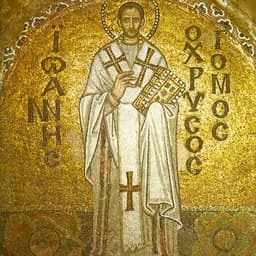
St. John Chrysostom (c. 347–407)
Homilies on the Gospel of Matthew, Homily LXXX (on Matthew 26:14–16) Source: trans. in the Nicene and Post-Nicene Fathers, First Series, Vol. 10. Public domain. Full text: https://www.ccel.org/ccel/schaff/npnf110/npnf110.iii.LXXVI.html
On why the Evangelists do not hide that the traitor was of the Twelve:
On the willingness and the smallness of the price:
On the covetousness that blinded him:
Theophylact of Ohrid (c. 1055–1107)
Explanation of the Gospel of Luke (on Luke 22:1–6) As preserved in the Catena Aurea on Luke, trans. J. H. Newman, 1841. Public domain. Full text: https://isidore.co/aquinas/english/CALuke.htm
On Satan entering Judas as the means the plotters sought:
Titus of Bostra (d. c. 378)
Commentary on Luke (on Luke 22:3–6) As preserved in the Catena Aurea on Luke, trans. J. H. Newman, 1841. Public domain. Full text: https://isidore.co/aquinas/english/CALuke.htm
On how Satan found the door already open in Judas:
On "one of the twelve":
Origen of Alexandria (c. 185–254)
Commentary on Matthew (on Matthew 26:2, 14–16) As preserved in the Catena Aurea on Matthew, trans. J. H. Newman, 1841. Public domain. Full text: https://www.ccel.org/ccel/aquinas/catena1.ii.xxvi.html
On the impersonal "shall be delivered," and the several who delivered Him up:
On Judas going to sell the Redeemer of the world:
On the thirty pieces:
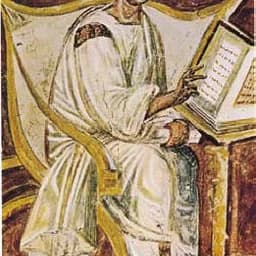
Blessed Augustine of Hippo (354–430)
Questions on the Gospels, Book I, 41 (on Matthew 26:15) As preserved in the Catena Aurea on Matthew, trans. J. H. Newman, 1841. Public domain. Full text: https://www.ccel.org/ccel/aquinas/catena1.ii.xxvi.html
On what the price of thirty pieces signifies:
St. Jerome (c. 347–420)
Commentary on Matthew (on Matthew 26:15) As preserved in the Catena Aurea on Matthew, trans. J. H. Newman, 1841. Public domain. Full text: https://www.ccel.org/ccel/aquinas/catena1.ii.xxvi.html
On Judas leaving the price to his buyers, as one selling a worthless slave:
On the servant not more valuable than his Master:
St. Hilary of Poitiers (c. 310–367)
Commentary on Matthew (on Matthew 26:1–2) As preserved in the Catena Aurea on Matthew, trans. J. H. Newman, 1841. Public domain. Full text: https://www.ccel.org/ccel/aquinas/catena1.ii.xxvi.html
On the Passion announced straightway after the glory:
St. Leo the Great (c. 400–461)
Sermon 60 (on Matthew 26:14–16) As preserved in the Catena Aurea on Matthew, trans. J. H. Newman, 1841. Public domain. Full text: https://www.ccel.org/ccel/aquinas/catena1.ii.xxvi.html
On the lust of money that cast Christ off: