The prodigal son
Luke 15:11–32 · Journey to Jerusalem
Scripture
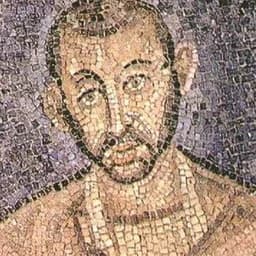
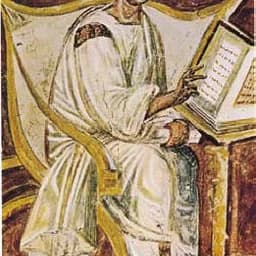
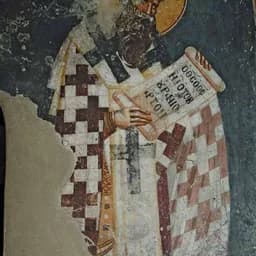
Luke 15:11–32
nd he said, A certain man had two sons: 12And the younger of them said to his father, Father, give me the portion of goods that falleth to me. And he divided unto them his living. 13And not many days after the younger son gathered all together, and took his journey into a far country, and there wasted his substance with riotous living. 14And when he had spent all, there arose a mighty famine in that land; and he began to be in want. 15And he went and joined himself to a citizen of that country; and he sent him into his fields to feed swine. 16And he would fain have filled his belly with the husks that the swine did eat: and no man gave unto him. 17And when he came to himself, he said, How many hired servants of my father’s have bread enough and to spare, and I perish with hunger! 18I will arise and go to my father, and will say unto him, Father, I have sinned against heaven, and before thee, 19And am no more worthy to be called thy son: make me as one of thy hired servants. 20And he arose, and came to his father. But when he was yet a great way off, his father saw him, and had compassion, and ran, and fell on his neck, and kissed him. 21And the son said unto him, Father, I have sinned against heaven, and in thy sight, and am no more worthy to be called thy son. 22But the father said to his servants, Bring forth the best robe, and put it on him; and put a ring on his hand, and shoes on his feet: 23And bring hither the fatted calf, and kill it; and let us eat, and be merry: 24For this my son was dead, and is alive again; he was lost, and is found. And they began to be merry. 25Now his elder son was in the field: and as he came and drew nigh to the house, he heard musick and dancing. 26And he called one of the servants, and asked what these things meant. 27And he said unto him, Thy brother is come; and thy father hath killed the fatted calf, because he hath received him safe and sound. 28And he was angry, and would not go in: therefore came his father out, and intreated him. 29And he answering said to his father, Lo, these many years do I serve thee, neither transgressed I at any time thy commandment: and yet thou never gavest me a kid, that I might make merry with my friends: 30But as soon as this thy son was come, which hath devoured thy living with harlots, thou hast killed for him the fatted calf. 31And he said unto him, Son, thou art ever with me, and all that I have is thine. 32It was meet that we should make merry, and be glad: for this thy brother was dead, and is alive again; and was lost, and is found.
King James Version · public domain
Lluka 15:11–32
ërsëri tha, Një njeri kishte dy bij; 12edhe më i-vogëli nga ata i tha t’et, Atë, ep-më pjesën’ e gjësë që më bje për-të-marrë. Edhe ay u’a ndau gjënë. 13Edhe pas pak ditsh më i-vogëli mblodhi gjithë ç’pat, edhe iku ndë dhe të-huaj mbë një vënt të-largë; edhe atje çpërndau gjën’ e ti dyke shkuarë jetë plankprishësi. 14Edhe ay si prishi të-gjitha, ubë një zi e-madhe mb’atë vënt, edhe ay zuri të mos kishte më. 15Atëhere vate e u ngjit pas një qytetari t’ati vëndi; edhe ky e dërgoj nd’arat të ti të kullotte derra. 16Edhe dëshëronte të mbushte barkun’ e ti me harupetë që haninë derratë; po as ndonjë nuk’ i epte. 17Edhe si erdhi ndë vetëhet të ti, tha, Sa punëtorëve të t’im et u tepëron bukë, e unë po humbas nga uria! 18Dotë ngrihem e dotë vete tek im atë, edhe dot’i them, O Atë, fëjeva ndë qiellt edhe përpara teje; 19Edhe nukë jam më i vëjyerë të quhem biri yt; bëjmë posi një nga punëtorët’ e tu. 20Edhe ungrit e erdhi tek i ati. Edhe Ay tek po ishte edhe lark, i ati e pa edhe i erdhi keq, edhe usul e ra mbi qafët t’ati, edhe e puthi. 21Edhe i biri i tha, O Atë, fëjeva ndë qiellt edhe përpara teje, edhe nukë jam më i-vëjyerë të quhem biri yt. 22Po i ati u tha shërbëtorëvet të ti, Nxirni jashtë stolin’ e parë edhe vish-j’ani, edhe i viri unazë ndë dorët, edhe këpu-cë ndë këmbët; 23Edhe bini viçin’ e-ushqyerë, edhe ther-e-ni, edhe letë ham’ e të gëzonemi; 24Sepse ky biri im qe i-vdekurë, e ungjall përsëri; edhe qe i-humburë, e ugjënt. Edhe zunë të gëzoneshinë. 25Edhe m’i-madhi bir ishte nd’arët; edhe kur erdhi e u afërua ndë shtëpit, dëgjoj kënk’ e valle. 26Edhe thirri një nga shërbëtorëtë edhe e pyeste, ç’janë këto. 27Edhe ay i tha, Se ka ardhur’ yt vëlla; edhe yt atë theri viçin’ e-ushqyerë, sepse e priti të-shëndoshë. 28Edhe ay uzëmërua, edhe nukë donte të hynte brënda. I ati pra dolli, e i lutej. 29Edhe ay upërgjeq e i tha t’et, Na tek po të shërbenj kaqë vjet, edhe kurrë nukë dolla nga urdhëri yt; edhe kurrë nukë më dhe një kec, që të gëzonem bashkë me miqt’ e mi. 30Po kur erdhi ky yt bir që hëngri gjënë bashkë me kurvatë, i there viçin’ e-ushqyerë. 31Edhe ay i tha, O djalë, ti je përherë bashkë me mua, edhe gjithë të-miatë janë të-tuatë; 32Edhe duhej të gëzoneshim’ e të ngazëlloneshimë, sepse ky yt vëlla qe i-vdekurë, e ungjall përsëri; edhe qe i-humburë, e ugjënt.
Kristoforidhi, Dhiata e Re Toskërisht 1879 · zotërim publik
In their own words
For He greatly rejoices when He sees those who were lost obtaining salvation, and raises them up again to that which they were in the beginning, giving them the dress of freedom, and adorning them with the chief robe, and putting a ring upon their hand, even the orderly behaviour which is pleasing to God and suitable to the free.
St. Cyril of Alexandria, Commentary on Luke, Sermon CVII (on Luke 15:11–32); Cyril, Commentary on Luke (R. Payne Smith, 1859)
Patristic sources
- St. Cyril of Alexandria
- Commentary on Luke, Sermon 107
- St. John Chrysostom
- On Repentance and Almsgiving; homilies on the Prodigal
- Theophylact of Ohrid
- Commentary on Luke, on Luke 15
- St. Ambrose of Milan
- Exposition of Luke, Book VII
Read the sources: Cyril on Luke, Sermons 99–109 (Tertullian.org)
The Parable of the Prodigal Son (Luke 15:11–32)
The texts below are quoted verbatim from public-domain English translations; nothing is paraphrased.
St. Cyril of Alexandria (c. 376–444)
From his Commentary on Luke (Homily 107, on Luke 15:11–32), trans. R. Payne Smith, 1859. Public domain.
On the parable as a call to repentance, in the voice of the prophets:
On the true point of the parable, that even the steadfast must rejoice when sinners repent:
On the Father's joy, and the robe and ring as the restored dignity of the free:
On the God who heals, raises, and seeks, whom we are to imitate in rejoicing:
St. Ambrose of Milan (c. 339–397)
From his Exposition of the Gospel of Luke, as compiled in the Catena Aurea on Luke 15 (trans. J. H. Newman, 1841). Public domain.
On the inheritance given freely to the one who asks:
On the coming to himself, by which the man who left himself is restored to himself:
On the mercy of the offended father who still answers to the name:
On the robe and the ring:
On the fatted calf as the priestly victim, our salvation the Father's food:
Blessed Augustine of Hippo (354–430)
From his works, as compiled in the Catena Aurea on Luke 15 (trans. J. H. Newman, 1841). Public domain.
On the far country, and the likeness preserved only by cleaving to God:
On "I will arise," repentance resolved in the heart and completed in the Church:
On the best robe and the ring:
On the fatted calf, which is Christ slain for every believer:
St. Gregory of Nyssa (c. 335–395)
From his Oration, as compiled in the Catena Aurea on Luke 15 (trans. J. H. Newman, 1841). Public domain.
On the son humbled by hardship and returning chastened:
On the bitterness that had to be tasted before the resolve to rise:
Theophylact of Ohrid (c. 1055–1107)
From his Explanation of the Gospel of Luke, as compiled in the Catena Aurea on Luke 15 (trans. J. H. Newman, 1841). Public domain.
On the servants who clothe the returning soul with Christ in baptism:
St. Bede the Venerable (c. 673–735)
From his Commentary on Luke, as compiled in the Catena Aurea on Luke 15 (trans. J. H. Newman, 1841). Public domain.
On the ring as the working of faith: