The Question about Jesus's Authority
Matt 21:23–27; Mark 11:27–33; Luke 20:1–8 · Passion week in Jerusalem
Scripture
Matthew 21:23–27
nd when he was come into the temple, the chief priests and the elders of the people came unto him as he was teaching, and said, By what authority doest thou these things? and who gave thee this authority? 24And Jesus answered and said unto them, I also will ask you one thing, which if ye tell me, I in like wise will tell you by what authority I do these things. 25The baptism of John, whence was it? from heaven, or of men? And they reasoned with themselves, saying, If we shall say, From heaven; he will say unto us, Why did ye not then believe him? 26But if we shall say, Of men; we fear the people; for all hold John as a prophet. 27And they answered Jesus, and said, We cannot tell. And he said unto them, Neither tell I you by what authority I do these things.
King James Version · public domain
Mateu 21:23–27
dhe kur erdhi ndë hieroret, erthnë përan’ ati, atje ku mësonte, krye-priftërit’ edhe pleqt’ e llauzit, e thoshinë, Me ç’farë pushteti bën këto? edhe kush t’a ka dhënë këtë pushtet? 24Edhe Jisuj upërgjeq e u tha atyre, Dot’u pyes edhe unë juve një fjalë, të-cilënë ndë m’a thënçi, edhe unë dot’u them juve me ç’fare pushteti bënj këto. 25Pagëzimi i Joanit nga ishte? nga qielli a nga njerëzitë? Edhe ata mendoneshinë me vetëhen’ e tyre, dyke thënë, Ndë thënçimë, Nga qielli dotë na thotë, Përse nuk’ i mbesuatë pra? 26Edhe ndë thënçimë, Nga njerëzitë, kemi frikë prej gjindjesë; sepse të-gjithë e kanë Joanë për profit. 27Edhe i upërgjeqnë Jisujt, e i thanë, Nuk’ e dimë. Edhe ay u tha atyre, as unë s’u them juve me ç’farë pushteti bënj këto.
Kristoforidhi, Dhiata e Re Toskërisht 1879 · zotërim publik
In their own words
The Lord could have confuted the calumny of His tempters by a simple answer, but He put a question to them of such skilful contrivance, that they must be condemned either by their silence or their knowledge.
St. Jerome, Commentary on Matthew (on Matthew 21:23–27) (Catena Aurea)
Patristic sources
- St. John Chrysostom
- Homilies on Matthew, Hom. 67
- Origen of Alexandria
- Commentary on Matthew
Quoted as preserved in the Catena Aurea on Matthew; some of Origen's speculative opinions were later condemned (553), but this exegetical passage is uncontroversial.
- Theophylact of Ohrid
- Explanation of Mark
- Blessed Augustine of Hippo
- Tractates on John, Tractate 5
Venerated in the East as Blessed; here preserved through the Catena Aurea on Matthew.
- St. Jerome
- Commentary on Matthew
Catena-only in public-domain English.
- St. Bede the Venerable
- Commentary on Mark
Catena-only in public-domain English.
Read the sources: Chrysostom, Homilies on Matthew, Homily 67 (CCEL) · Catena Aurea on Matthew (CCEL) · Catena Aurea on Mark (CCEL)
The Question about Jesus's Authority (Matthew 21:23–27; Mark 11:27–33; Luke 20:1–8)
The texts below are quoted verbatim from public-domain English translations; nothing is paraphrased.
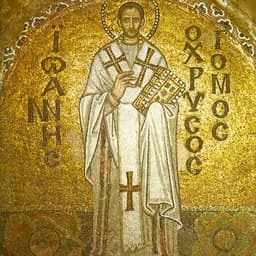
St. John Chrysostom (c. 347–407)
Homilies on the Gospel of Matthew, Homily 67 (on Matthew 21:23–27) Source: trans. in the Nicene and Post-Nicene Fathers, First Series, Vol. 10. Public domain. Full text: https://www.ccel.org/ccel/schaff/npnf110/npnf110.iii.LXIV.html
On why the Lord answers their challenge with a question of His own:
On the unbelief in John that their own question exposed:
On the craft that asks not to learn, and the justice that answers it with silence:
On their fear of the people:
Origen of Alexandria (c. 185–254)
Commentary on Matthew (on Matthew 21:23–27) As preserved in the Catena Aurea on Matthew. Public domain. Full text: https://www.ccel.org/ccel/aquinas/catena1.ii.xxi.html
On the many powers at work, and why the Lord withheld the mystery from those unworthy to hear it:
Theophylact of Ohrid (c. 1055–1107)
Explanation of the Gospel of Mark (on Mark 11:27–33) As preserved in the Catena Aurea on Mark. Public domain. Full text: https://www.ccel.org/ccel/aquinas/catena2.iii.xi.html
On the anger that drove them to question Him:
On the trap they laid, and why the Lord asked them of John:
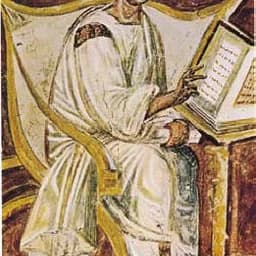
Blessed Augustine of Hippo (354–430)
Tractates on the Gospel of John, Tractate 5 (on Matthew 21:23–27) As preserved in the Catena Aurea on Matthew. Public domain. Full text: https://www.ccel.org/ccel/aquinas/catena1.ii.xxi.html
On the baptism of John as a gift given to no other, a witness to the Lord:
St. Jerome (c. 347–420)
Commentary on Matthew (on Matthew 21:23–27) As preserved in the Catena Aurea on Matthew. Public domain. Full text: https://www.ccel.org/ccel/aquinas/catena1.ii.xxi.html
On the question so contrived that they must be condemned by their silence or their knowledge:
On the dilemma their own malice had prepared:
On the lie "We know not," and the justice of the Lord's answering silence:
St. Bede the Venerable (c. 673–735)
Commentary on Mark (on Mark 11:27–33) As preserved in the Catena Aurea on Mark. Public domain. Full text: https://www.ccel.org/ccel/aquinas/catena2.iii.xi.html
On why the Lord withheld what He knew, and the two reasons the truth is hidden from some who ask: