The Remorse and Death of Judas
Matt 27:3–10 · Passion week in Jerusalem
Scripture
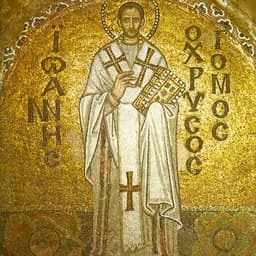
Matthew 27:3–10
hen Judas, which had betrayed him, when he saw that he was condemned, repented himself, and brought again the thirty pieces of silver to the chief priests and elders, 4Saying, I have sinned in that I have betrayed the innocent blood. And they said, What is that to us? see thou to that. 5And he cast down the pieces of silver in the temple, and departed, and went and hanged himself. 6And the chief priests took the silver pieces, and said, It is not lawful for to put them into the treasury, because it is the price of blood. 7And they took counsel, and bought with them the potter’s field, to bury strangers in. 8Wherefore that field was called, The field of blood, unto this day. 9Then was fulfilled that which was spoken by Jeremy the prophet, saying, And they took the thirty pieces of silver, the price of him that was valued, whom they of the children of Israel did value; 10And gave them for the potter’s field, as the Lord appointed me.
King James Version · public domain
Mateu 27:3–10
tëhere kur pa Judha, ay që e trathëtoj, se ugjykua për vdekje, upendua, edhe ktheu prapë të tri-dhjetë argjëndatë te krye-priftërit’ edhe te pleqtë, dyke thënë, Fëjeva që dhashë ndër duar gjak të-pafajm. 4Edhe ata thanë, Ç’punë kemi neve? ti ke për të parë. 5Edhe ay si hodhi argjëndatë ndë tempullt, iku, edhe vate e uvar. 6Edhe krye-priftëritë si muarnë argjëndatë, thanë, Nuk’ ësht’ e udhësë t’i vëm’ ato ndë thesart të tempullit, sepse janë çëmim gjaku. 7Edhe si dhan’ e muarnë këshillë, blenë arën’ e shtëmbarit me ato, për të kallurë ndë varr atje të-huajtë. 8Përandaj ajo arë uquajt Arë gjaku, gjer mbë ditët të-sotme. 9Atëhere umbush ç’është thënë me anë të profitit Jeremi, që thotë, “Edhe muarnë të tri-dhjet’ argjëndatë, çëmimn’ e të çëmuarit nga të bijt’ e Israilit, 10edhe i dhanë ndë arët të shtëmbarit, sikundrë më porositi Zoti”.
Kristoforidhi, Dhiata e Re Toskërisht 1879 · zotërim publik
In their own words
For to condemn it, and to throw down the pieces of silver, and not to regard the Jewish people, were all acceptable things; but to hang himself, this again was unpardonable, and a work of an evil spirit.
St. John Chrysostom, Homilies on Matthew, Homily 85 (on Matthew 27:3–10)
Patristic sources
- St. John Chrysostom
- Homilies on Matthew, Hom. 85
- Origen of Alexandria
- Commentary on Matthew
Quoted only as preserved in the Catena Aurea; some of his speculations were condemned in 553, so his remark on an innate seed of virtue in every soul is attributed with care.
- St. Jerome
- Commentary on Matthew
Catena-only in public-domain English.
- Blessed Augustine of Hippo
- The Harmony of the Gospels, Book III
Venerated in the East as Blessed; here quoted in the Catena's condensation of the Harmony (De Consensu Evangelistarum).
- St. Leo the Great
- Sermon 52, On the Passion
Catena-preserved.
Read the sources: Chrysostom on Matthew, Homily 85 (CCEL) · Catena Aurea on Matthew 27 (CCEL)
The Remorse and Death of Judas (Matthew 27:3–10)
The texts below are quoted verbatim from public-domain English translations; nothing is paraphrased.
St. John Chrysostom (c. 347–407)
Homilies on the Gospel of Matthew, Homily 85 (on Matthew 27:3–10) Source: trans. in the Nicene and Post-Nicene Fathers, First Series, Vol. 10. Public domain. Full text: https://www.ccel.org/ccel/schaff/npnf110.iii.LXXXI.html
On the double charge, against Judas who repented too late and against the priests who repented not at all:
On why the casting-down of the silver was acceptable but the hanging was not:
On the traitor's own sentence as a witness against those who condemned Christ:
On the tyranny of covetousness:
On the field of blood as a standing witness to the treason:
Origen of Alexandria (c. 185–254)
Commentary on Matthew (on Matthew 27:3–5) As preserved in the Catena Aurea on Matthew. Public domain. Full text: https://www.ccel.org/ccel/aquinas/catena1.ii.xxvii.html
(Origen is quoted here as preserved in the Catena; some of his speculations were later condemned in 553, and the note that follows on a seed of virtue in every soul reflects his own opinion.)
On the seed of virtue from which even the betrayer came to confess his sin:
On the Devil turning a true repentance into a fatal despair:
On why the servant of God must not take his own life but wait for God's sentence:
St. Jerome (c. 347–420)
Commentary on Matthew (on Matthew 27:3–10) As preserved in the Catena Aurea on Matthew. Public domain. Full text: https://www.ccel.org/ccel/aquinas/catena1.ii.xxvii.html
On Judas returning the money as though he could change his persecutors:
On the priests who scrupled over the price yet shed the blood:
On the prophecy being found in Zacharias, not in Jeremy:
Blessed Augustine of Hippo (354–430)
The Harmony of the Gospels, Book III (on Matthew 27:9–10) As preserved in the Catena Aurea on Matthew. Public domain. Full text: https://www.ccel.org/ccel/aquinas/catena1.ii.xxvii.html
On why the name Jeremy stood in the text by the Lord's own determining:
On the wonderful consent of the Prophets who all spake by one Spirit:
St. Leo the Great (c. 400–461)
Sermon 52, On the Passion (on Matthew 27:4) As preserved in the Catena Aurea on Matthew. Public domain. Full text: https://www.ccel.org/ccel/aquinas/catena1.ii.xxvii.html
On the confession that was no faith, and the mercy Judas might have obtained: