The Road to Calvary; Simon of Cyrene
Matt 27:32; Mark 15:21; Luke 23:26 · Passion week in Jerusalem
Scripture
Matthew 27:32
nd as they came out, they found a man of Cyrene, Simon by name: him they compelled to bear his cross.
King James Version · public domain
Mateu 27:32
dhe dyke dalë, gjetnë një njeri Qirineas, që e kishte emërinë Simon; këtë e zunë angari që të ngrerë kryqin’ e ati.
Kristoforidhi, Dhiata e Re Toskërisht 1879 · zotërim publik
In their own words
For a Jew was not worthy to bear Christ's cross, but it was reserved for the faith of the Gentiles both to take the cross, and to suffer with Him.
St. Hilary of Poitiers, Commentary on Matthew (on Matthew 27:32) (Catena Aurea)
Patristic sources
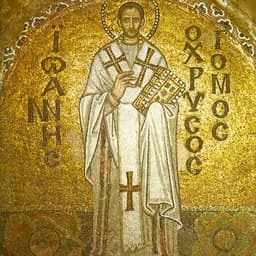
- St. John Chrysostom
- Homily on the Cross and the Thief, II
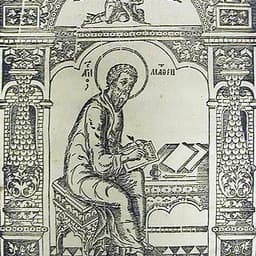
- Theophylact of Ohrid
- Explanation of the Gospel of Luke
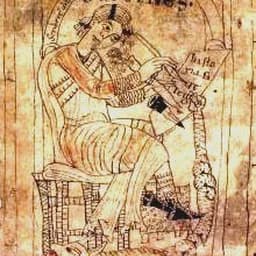
- Origen of Alexandria
- Commentary on Matthew
Quoted with care; certain of his speculations were later condemned (553). This extract survives only through the Catena Aurea.
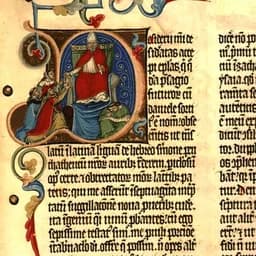
- St. Jerome
- Commentary on Matthew
- St. Hilary of Poitiers
- Commentary on Matthew
- St. Ambrose of Milan
- Exposition of the Gospel of Luke
Read the sources: Catena Aurea on Matthew, ch. 27 (CCEL) · Catena Aurea on Luke, ch. 23 (isidore.co)
The Road to Calvary and Simon of Cyrene (Matthew 27:32; Mark 15:21; Luke 23:26)
The texts below are quoted verbatim from public-domain English translations; nothing is paraphrased.
St. John Chrysostom (c. 347–407)
Homily on the Cross and the Thief, II (on Matthew 27:32) As preserved in the Catena Aurea on Matthew. Public domain. Full text: https://www.ccel.org/ccel/aquinas/catena1.ii.xxvii.html
On why the Lord suffered without the city, that the sacrifice might be common to the whole earth:
Theophylact of Ohrid (c. 1055–1107)
Explanation of the Gospel of Luke (on Luke 23:26) As preserved in the Catena Aurea on Luke, trans. J. H. Newman, 1841. Public domain. Full text: https://isidore.co/aquinas/english/CALuke.htm
On why the cross, counted an abomination, was laid upon Simon, and how it is the government and dignity of Christ:
Origen of Alexandria (c. 185–254)
Commentary on Matthew (on Matthew 27:32) As preserved in the Catena Aurea on Matthew. Public domain. Full text: https://www.ccel.org/ccel/aquinas/catena1.ii.xxvii.html
On how Christ first went out bearing His cross and Simon was afterward laid hold of, and that Simon was brought to the place by God's providence to share in the ministry of the cross:
St. Jerome (c. 347–420)
Commentary on Matthew (on Matthew 27:32) As preserved in the Catena Aurea on Matthew. Public domain. Full text: https://www.ccel.org/ccel/aquinas/catena1.ii.xxvii.html
On the harmony of John (who says the Lord bore His own cross) with Matthew (who tells of Simon compelled), the one following upon the other:
On the nations who take up the cross:
St. Hilary of Poitiers (c. 310–367)
Commentary on Matthew (on Matthew 27:32) As preserved in the Catena Aurea on Matthew. Public domain. Full text: https://www.ccel.org/ccel/aquinas/catena1.ii.xxvii.html
On the cross reserved for the faith of the Gentiles, to take it up and to suffer with Him:
St. Ambrose of Milan (c. 339–397)
Exposition of the Gospel of Luke (on Luke 23:26) As preserved in the Catena Aurea on Luke, trans. J. H. Newman, 1841. Public domain. Full text: https://isidore.co/aquinas/english/CALuke.htm
On Christ the conqueror bearing His trophies, and how the mystery reconciles the Evangelists:
On the alien who bears the cross, and does not precede but follows: