The Samaritan Woman at the Well
John 4:1–42 · Early ministry in Galilee
Scripture
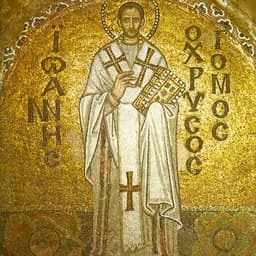
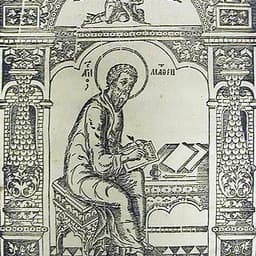
John 4:1–42
hen therefore the LORD knew how the Pharisees had heard that Jesus made and baptized more disciples than John, 2(Though Jesus himself baptized not, but his disciples,) 3He left Judaea, and departed again into Galilee. 4And he must needs go through Samaria. 5Then cometh he to a city of Samaria, which is called Sychar, near to the parcel of ground that Jacob gave to his son Joseph. 6Now Jacob’s well was there. Jesus therefore, being wearied with his journey, sat thus on the well: and it was about the sixth hour. 7There cometh a woman of Samaria to draw water: Jesus saith unto her, Give me to drink. 8(For his disciples were gone away unto the city to buy meat.) 9Then saith the woman of Samaria unto him, How is it that thou, being a Jew, askest drink of me, which am a woman of Samaria? for the Jews have no dealings with the Samaritans. 10Jesus answered and said unto her, If thou knewest the gift of God, and who it is that saith to thee, Give me to drink; thou wouldest have asked of him, and he would have given thee living water. 11The woman saith unto him, Sir, thou hast nothing to draw with, and the well is deep: from whence then hast thou that living water? 12Art thou greater than our father Jacob, which gave us the well, and drank thereof himself, and his children, and his cattle? 13Jesus answered and said unto her, Whosoever drinketh of this water shall thirst again: 14But whosoever drinketh of the water that I shall give him shall never thirst; but the water that I shall give him shall be in him a well of water springing up into everlasting life. 15The woman saith unto him, Sir, give me this water, that I thirst not, neither come hither to draw. 16Jesus saith unto her, Go, call thy husband, and come hither. 17The woman answered and said, I have no husband. Jesus said unto her, Thou hast well said, I have no husband: 18For thou hast had five husbands; and he whom thou now hast is not thy husband: in that saidst thou truly. 19The woman saith unto him, Sir, I perceive that thou art a prophet. 20Our fathers worshipped in this mountain; and ye say, that in Jerusalem is the place where men ought to worship. 21Jesus saith unto her, Woman, believe me, the hour cometh, when ye shall neither in this mountain, nor yet at Jerusalem, worship the Father. 22Ye worship ye know not what: we know what we worship: for salvation is of the Jews. 23But the hour cometh, and now is, when the true worshippers shall worship the Father in spirit and in truth: for the Father seeketh such to worship him. 24God is a Spirit: and they that worship him must worship him in spirit and in truth. 25The woman saith unto him, I know that Messias cometh, which is called Christ: when he is come, he will tell us all things. 26Jesus saith unto her, I that speak unto thee am he. 27And upon this came his disciples, and marvelled that he talked with the woman: yet no man said, What seekest thou? or, Why talkest thou with her? 28The woman then left her waterpot, and went her way into the city, and saith to the men, 29Come, see a man, which told me all things that ever I did: is not this the Christ? 30Then they went out of the city, and came unto him. 31In the mean while his disciples prayed him, saying, Master, eat. 32But he said unto them, I have meat to eat that ye know not of. 33Therefore said the disciples one to another, Hath any man brought him ought to eat? 34Jesus saith unto them, My meat is to do the will of him that sent me, and to finish his work. 35Say not ye, There are yet four months, and then cometh harvest? behold, I say unto you, Lift up your eyes, and look on the fields; for they are white already to harvest. 36And he that reapeth receiveth wages, and gathereth fruit unto life eternal: that both he that soweth and he that reapeth may rejoice together. 37And herein is that saying true, One soweth, and another reapeth. 38I sent you to reap that whereon ye bestowed no labour: other men laboured, and ye are entered into their labours. 39And many of the Samaritans of that city believed on him for the saying of the woman, which testified, He told me all that ever I did. 40So when the Samaritans were come unto him, they besought him that he would tarry with them: and he abode there two days. 41And many more believed because of his own word; 42And said unto the woman, Now we believe, not because of thy saying: for we have heard him ourselves, and know that this is indeed the Christ, the Saviour of the world.
King James Version · public domain
Joani 4:1–42
oti pra si e mori vesh, se Farisenjtë dëgjuanë, se Jisuj bën e pagëzon më tepërë nxënës se Joani, 2(Ndonëse Jisuj vetë nukë pagëzonte, po nxënësit’ e ati;) 3La Judhenë, edhe vate përsëri ndë Galilet. 4Edhe duhej të shkonte ndëpër Samarit. 5Vjen pra ndë një qytet të Samarisë që thuhetë Sihar, afër’ ati vëndit që j’a dha Jakovi Josifit birit të ti. 6Edhe atje ishte një pus i Jakovit. Jisuj pra passi ishte lodhurë nga udha, kështu ndënjti përanë pusit; edhe ora ishte sindonja gjashtë. 7Vjen një grua nga Samaria të nxjerrë ujë. Jisuj i thot’ asaj, Ep-më të pi; 8Sepse nxënësit’ e ati kishinë vaturë ndë qytett, për të blerë të-ngrëna. 9I thotë pra ati gruaja Samarite, Qysh ti, dyke qënë Judhe, kërkon të pish prej meje, që jam një grua Samarite? - Sepse Judhenjtë nukë shoqëronjënë me Samaritëtë. 10Jisuj upërgjeq e i tha asaj, Po të dinje dhurëtin’ e Perëndisë, edhe cili ësht’ ay që të thotë, Ep-më të pi, ti kishnje për të lypurë prej ati, edhe ay kishte për të dhënë ty ujë të-gjallë. 11Gruaja i thotë, Zot, as kovë ke, edhe pusi ësht’ i-thellë; nga e ke ti pra ujët’ e-gjallë? 12Mos je ti më i-math se ati ynë Jakov, i-cili na ka dhënë këtë pus, edhe vet’ ay pinte nga ky, edhe të bijt’ e ati, edhe bagëtit’ e ati? 13Jisuj upërgjeq e i tha asaj, Kushdo që pi nga këta ujë, dot’i vinjë et përsëri; 14Po ay që pi nga ujëtë që dot’i ap unë, nukë dot’i vinjë et për gjithë jetënë; po ujëtë, që dot’i ap unë, dot’i bënetë burim uji që buron për jetë të-përjetëshme. 15Gruaja i thotë, Zot, ep-më këta ujë, që të mos më vinjë et, as të mos vinj këtu të nxjer ujë. 16Jisuj i thot’ asaj, Ecë, thirrë burrinë t’ënt, edhe eja këtu. 17Gruaja upërgjeq e tha, S’kam burrë. Jisuj i tha asaj, Mirë the, se s’kam burrë; 18Sepse ke marrë pesë burra, edhe ay, që ke ndashti, nuk është burri yt; këtë e fole me të-vërtetë. 19Gruaja i thotë, Zot, po shoh, se ti je profit. 20Atëritë t’anë ndë këtë mal ufalnë; e ju thoni, se ndë Jerusalim është vëndi, ku duhetë të falemi. 21Jisuj i thot’ asaj, Grua, besomë, se vjen një orë, kur nukë dot’i faleni Atit as ndë këtë mal, as ndë Jerusalim. 22Ju i faleni ati që nukë dini; neve i falemi ati që dimë; sepse shpëtimi është nga Judhenjtë. 23Po vjen një orë, edhe ndashti është, kur falëtorët’ e-vërtetë dot’i falenë Atit me frymë e me të-vërtetë; sepse edhe Ati të-këtillë kërkon të jenë ata që i falenë ati. 24Perëndia është frymë, edhe ata që i falenë duhetë të falenë me frymë e me të-vërtetë. 25Gruaja i thotë, E di se vjen Messia, ay që thuhetë Krisht; ay kur të vinjë, dotë na apë zë për të-gjitha. 26Jisuj i thot’ asaj, Unë që të flas jam ay. 27Edhe mbi këto fjalë erthnë nxënësit’ e ati, edhe uçuditnë se fliste me grua; po asndonjë s’tha, Ç’kërkon? a, Ç’flet me atë? 28Gruaja pra la shtëmbën’ e saj, edhe vate ndë qytett, edhe u thotë njerëzet, 29Ejani e shihni një njeri, që më tha gjithë sa kam bërë; vallë mos është ky Krishti? 30Duallnë pra nga qyteti, edhe erthnë tek ay. 31Edhe ndë mest të këtyre fjalëve nxënësit’ i luteshinë, dyke thënë, Ravvi, ha. 32Po ay u tha atyre, Unë kam të ha një të-ngrënë, që ju nuk’ e dini. 33Nxënësitë pra i thoshinë njëri tjatërit, Mos i pru njeri të hajë? 34Jisuj u thot’ atyre, Të-ngrënëtë t’im është të bënj dashurimn’ e ati që më ka dërguarë, edhe të mbaronj punën’ e ati. 35Nukë thoni ju, Se jan’ edhe katrë muaj, edhe vjen të-korrëtë? Na tek po u them juve, Ngrini përpjetë sytë t’uaj, edhe shihni aratë, se janë tashi të-bardha për të korrë. 36Edhe ay që korr merr pagë, edhe mbleth pemë për jetë të-përjetëshme, që të gëzonetë bashkë edhe ay që mbjell edhe ay që korr. 37Sepse mbë këtë e-vërtetë është fjala, Se tjatër’ ësht’ ay që mbjell, edhe tjatër’ ay që korr. 38Unë u dërgova juve të korrni atë, për të-cilënë juve s’jeni munduarë; të-tjerë umunduanë, edhe ju hytë ndë mundimt t’atyreve. 39Edhe prej ati qyteti shumë nga Samaritëtë besuanë për fjalën’ e gruasë që dëshmoj, Se më tha gjithë sa kam bërë. 40Samaritëtë pra si erthnë tek ay, i luteshinë të mbesë përan’ atyreve. Edhe mbeti atje dy dit. 41Edhe shumë më tepërë njerës besuanë për fjalën’ e ati; 42Edhe gruasë i thoshinë, Se nukë besojmë më për fjalënë t’ënde; sepse neve e dëgjuamë, edhe e njohmë se ky është me të-vërtetë Shpëtimtari i botësë, Krishti.
Kristoforidhi, Dhiata e Re Toskërisht 1879 · zotërim publik
In their own words
Let them who would preach the gospel learn; let them throw away their water-pot at the well.
Blessed Augustine of Hippo, Tractates on the Gospel of John, Tractate 15 (on John 4:1–42)
Patristic sources
- St. John Chrysostom
- Homilies on the Gospel of St. John, Hom. 31–34
- St. Cyril of Alexandria
- Commentary on the Gospel of John, Book II
- Theophylact of Ohrid
- Explanation of the Gospel of John
His Gospel exegesis survives in public-domain English only through the Catena Aurea.
- Origen of Alexandria
- Commentary on the Gospel of John
Quoted only as preserved in the Catena Aurea on John, and attributed with care, since some of his speculations were later condemned.
- Blessed Augustine of Hippo
- Tractates on the Gospel of John, Tractate 15
Venerated in the East as Blessed; his Johannine tractates are cited in later Byzantine catenae.
Read the sources: Chrysostom on John (CCEL) · Augustine, Tractates on John (CCEL) · Cyril of Alexandria on John, Book II (tertullian.org) · Catena Aurea on John (isidore.co)
The Samaritan Woman at the Well (John 4:1–42)
The texts below are quoted verbatim from public-domain English translations; nothing is paraphrased.
St. John Chrysostom (c. 347–407)
Homilies on the Gospel of St. John, Homilies 31–34 (on John 4:1–42) Source: trans. in the Nicene and Post-Nicene Fathers, First Series, Vol. 14. Public domain. Full text: https://www.ccel.org/ccel/schaff/npnf114.html
On Jesus wearied with his journey, and the labour by which he taught frugality:
On the living water, which is the grace of the Spirit:
On the true worshippers who serve God in spirit:
On the woman who, once she believed, did the work of an evangelist:
St. Cyril of Alexandria (c. 376–444)
Commentary on the Gospel of John, Book II (on John 4:1–42) Source: trans. P. E. Pusey, Library of Fathers, 1874. Public domain. Full text: https://www.tertullian.org/fathers/cyril_on_john_02_book2.htm
On the wearied Word made flesh, against those who would divide the one Christ:
On the living water as the grace of the Holy Ghost:
On the woman led step by step until Christ reveals himself:
Theophylact of Ohrid (c. 1055–1107)
Explanation of the Gospel of John (on John 4:13–14) As preserved in the Catena Aurea on John. Public domain. Full text: https://isidore.co/aquinas/english/CAJohn.htm
On the living water as the life-giving grace of the Spirit:
Origen of Alexandria (c. 185–254)
Commentary on the Gospel of John (on John 4:12–29) As preserved in the Catena Aurea on John. Public domain. Full text: https://isidore.co/aquinas/english/CAJohn.htm
(Origen's Gospel commentary on this chapter survives in public-domain English only through the Catena; some of his speculations were later condemned, but the readings below concern the well and the woman.)
On the mystical sense of Jacob's well:
On the woman who becomes almost an apostle:
Blessed Augustine of Hippo (354–430)
Tractates on the Gospel of John, Tractate 15 (on John 4:1–42) Source: trans. in the Nicene and Post-Nicene Fathers, First Series, Vol. 7. Public domain. Full text: https://www.ccel.org/ccel/schaff/npnf107.html
On the strength of God made weary for our sake:
On the gift of God, which is the Holy Spirit:
On the five husbands read as the five senses of the soul:
On worship that ascends not by a mountain but within:
On the woman who left her water-pot to preach: