The Six Antitheses
Matt 5:21–48 · Early ministry in Galilee
Scripture
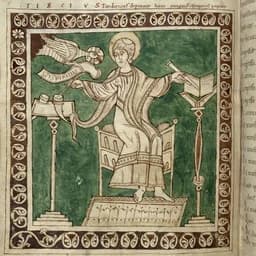
Matthew 5:21–48
e have heard that it was said by them of old time, Thou shalt not kill; and whosoever shall kill shall be in danger of the judgment: 22But I say unto you, That whosoever is angry with his brother without a cause shall be in danger of the judgment: and whosoever shall say to his brother, Raca, shall be in danger of the council: but whosoever shall say, Thou fool, shall be in danger of hell fire. 23Therefore if thou bring thy gift to the altar, and there rememberest that thy brother hath ought against thee; 24Leave there thy gift before the altar, and go thy way; first be reconciled to thy brother, and then come and offer thy gift. 25Agree with thine adversary quickly, whiles thou art in the way with him; lest at any time the adversary deliver thee to the judge, and the judge deliver thee to the officer, and thou be cast into prison. 26Verily I say unto thee, Thou shalt by no means come out thence, till thou hast paid the uttermost farthing. 27Ye have heard that it was said by them of old time, Thou shalt not commit adultery: 28But I say unto you, That whosoever looketh on a woman to lust after her hath committed adultery with her already in his heart. 29And if thy right eye offend thee, pluck it out, and cast it from thee: for it is profitable for thee that one of thy members should perish, and not that thy whole body should be cast into hell. 30And if thy right hand offend thee, cut it off, and cast it from thee: for it is profitable for thee that one of thy members should perish, and not that thy whole body should be cast into hell. 31It hath been said, Whosoever shall put away his wife, let him give her a writing of divorcement: 32But I say unto you, That whosoever shall put away his wife, saving for the cause of fornication, causeth her to commit adultery: and whosoever shall marry her that is divorced committeth adultery. 33Again, ye have heard that it hath been said by them of old time, Thou shalt not forswear thyself, but shalt perform unto the Lord thine oaths: 34But I say unto you, Swear not at all; neither by heaven; for it is God’s throne: 35Nor by the earth; for it is his footstool: neither by Jerusalem; for it is the city of the great King. 36Neither shalt thou swear by thy head, because thou canst not make one hair white or black. 37But let your communication be, Yea, yea; Nay, nay: for whatsoever is more than these cometh of evil. 38Ye have heard that it hath been said, An eye for an eye, and a tooth for a tooth: 39But I say unto you, That ye resist not evil: but whosoever shall smite thee on thy right cheek, turn to him the other also. 40And if any man will sue thee at the law, and take away thy coat, let him have thy cloak also. 41And whosoever shall compel thee to go a mile, go with him twain. 42Give to him that asketh thee, and from him that would borrow of thee turn not thou away. 43Ye have heard that it hath been said, Thou shalt love thy neighbour, and hate thine enemy. 44But I say unto you, Love your enemies, bless them that curse you, do good to them that hate you, and pray for them which despitefully use you, and persecute you; 45That ye may be the children of your Father which is in heaven: for he maketh his sun to rise on the evil and on the good, and sendeth rain on the just and on the unjust. 46For if ye love them which love you, what reward have ye? do not even the publicans the same? 47And if ye salute your brethren only, what do ye more than others? do not even the publicans so? 48Be ye therefore perfect, even as your Father which is in heaven is perfect.
King James Version · public domain
Mateu 5:21–48
ini dëgjuarë se u është thënë të moçimëvet, “Mos vraç”, edhe ay që të vrasë dotë jetë fajtuar ndë gjyqt. 22Po unë po u them juve, se kushdo që zëmëronetë mbë kot kundrë vëllajt të ti, dotë jetë fajtuar ndë gjyqt; edhe ay që t’i thotë të vëllat, Rraka, dotë jetë fajtuar ndë bashkëndënjjet; edhe ay që t’i thotë, i-marrë, dotë jetë fajtuar për ndë gjeenët të zjarit. 23Ndë prufsh pra dhurëtinë t’ënde ndë theroret, edhe atje kujtonesh, se yt vëlla diç ka kundrë teje, 24Ler’ atje dhurëtinë t’ënde përpara theroresë, edhe shko e paqtohu më përpara me t’ët vëlla, edhe atëhere si të vish bjerë dhurëtinë t’ënde. 25Ndrequ shpejt me kundrë-gjyqësinë t’ënt, gjersa të jesh mb’udhë bashkë me atë; se mos të apë kundrë-gjyqësi ndë dorët të gjyqtarit edhe gjyqtari të ep ndë dorët të shërbëtorit, e hidhesh ndë burg. 26Me të vërtetë po të them tyj, Nukë dotë dalç andej, gjersa të paguanjsh asprën’ e funçime. 27Kini dëgjuarë se u është thënë (të moçimëvet), “Mos kurvëronjç”. 28Po unë po u them juve, se kushdo që vë re grua me dëshërim, e ka kurvëruar’ atë ndë zëmërët të ti. 29Edhe ndë skandalistë syri yt i-djathtë, nxir-e atë e hidhe prej teje; sepse është më mirë për ty të humbasë një nga copat’ e trupit t’ënt, edhe të mos hidhetë tërë trupi yt ndë gjeenët. 30Edhe ndë të skandalistë dora jote e-djathtë, pre-e atë, edhe hidhe prej teje, sepse është më mirë për ty të humbasë një nga copat’ e trupit t’ënt, edhe të mos hidhetë tërë trupi yt ndë gjeenët. 31Edhe është thënë, se ay që të lëshonjë gruan’ e ti, let’i apë asaj kartën’ e ndarjesë. 32Po unë po u them juve, se ay që të lëshonjë gruan’ e ti, veç për fjalë kurvërie, e bën atë të kurvëronjë; edhe ay që të marrë grua të ndarë kurvëron. 33Përsëri kini dëgjuarë se u është thënë të moçimëvet, Mos bënjç be mbë të rrem, po t’i apç Zotit të-betuarat’ e-tua. 34Po unë po u them juve, të mos bëni be fare; as për qiellinë, sepse është fron’ i Perëndisë; 35As për dhenë; sepse është vëndi që vë këmbët’ e tia; as për Jerusalimnë, sepse është qytet i mbretit të-math; 36As për kryetë t’ënt të mos bënjç be, sepse nukë munt të bënjç një qime të-bardhë a të-zezë. 37Po letë jetë fjala juaj, Po, po; Jo, jo; sepse e-tepëra e këtyreve është nga i-ligu. 38Kini dëgjuarë se është thënë, “Sy ndë vëntt të syrit, edhe dhëmp ndë vëntt të dhëmbit”. 39Po unë po u them juve, të mos i qëndroni kundrë të-ligut; po ay që të të bjerë tyj një shuplakë ndë nofullët t’ënde të-djathtë, kthe-i ati edhe tjatrënë. 40Edhe ay që do të gjykonetë me ty, e të marrë këmishënë t’ënde, lër’i ati edhe rrobënë; 41Edhe ay që të marrë ty angari një mil, ecë bashkë me atë dy. 42Ep-i ati që lypën prej teje; edhe mos e kthe faqenë mbë nj’anë prej ati që do të huhetë prej teje. 43Kini dëgjuarë se është thënë, “Të duash të afërminë t’ënt”, edhe t’i kesh mëri armikut t’ënt. 44Po unë po u them juve, Doni armiqtë t’uaj, bekoni ata që u mallëkonjënë juve, bëni mirë atyre që u kanë mëri juve, edhe fali për ata që u bëjnë keq e u ndjekënë juve; 45Që të bëhi bij të Atit t’uaj që është ndë qiejt, sepse ay bën djellin’ e ti të lintnjë mbi të-liq e mbi të-mirë, edhe lëshon shinë mbi të-drejt’ e mbi të-shtrëmbërë. 46Sepse ndë daçi ata që u duanë juve, ç’far page kini? a nukë bëjnë këtë edhe kumerqarëtë? 47Edhe ndë përshëndofshi vetëmë vëllezëritë t’uaj, ç’më tepërë bëni? a nukë bëjnë kështu edhe kumerqarëtë? 48Bëhi pra ju të-sosurë sikundrë Ati j-uaj që është ndë qiejt ësht’ i-sosurë.
Kristoforidhi, Dhiata e Re Toskërisht 1879 · zotërim publik
In their own words
Not therefore to abolish the law did He make these enactments, but for the more complete observation of it.
St. John Chrysostom, Homilies on Matthew, Homily 16 (on Matthew 5:21–48)
Patristic sources
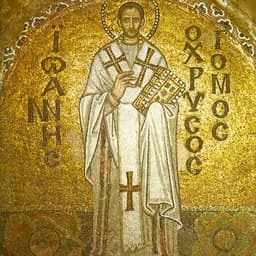
- St. John Chrysostom
- Homilies on Matthew, Hom. 16–18
The Greek spine for Matthew; quoted from his standalone homilies (NPNF1-10).
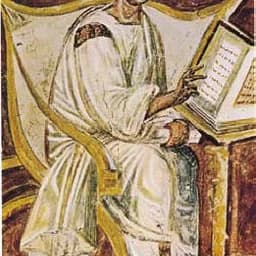
- Blessed Augustine of Hippo
- Our Lord's Sermon on the Mount, Book I
Venerated in the East as Blessed; his Sermon on the Mount treats the antitheses in order.
- St. Jerome
- Commentary on Matthew
Catena-only in public-domain English.
- St. Hilary of Poitiers
- Commentary on Matthew
Catena-only in public-domain English.
- St. Gregory the Great
- Morals on the Book of Job
Quoted as condensed in the Catena Aurea on Matthew.
- Remigius of Auxerre
- Commentary on Matthew
A later Western compiler; his Matthew commentary survives only through the Catena.
Read the sources: Chrysostom on Matthew (CCEL) · Augustine, Sermon on the Mount (CCEL) · Catena Aurea on Matthew 5 (CCEL)
The Six Antitheses (Matthew 5:21–48)
The texts below are quoted verbatim from public-domain English translations; nothing is paraphrased.
St. John Chrysostom (c. 347–407)
Homilies on the Gospel of Matthew, Homilies 16–18 (on Matthew 5:21–48) Source: trans. in the Nicene and Post-Nicene Fathers, First Series, Vol. 10. Public domain. Full text: https://ccel.org/ccel/schaff/npnf110
On the law fulfilled, and anger as the root of murder (Homily 16):
On the interior act of lust (Homily 17):
On the nine steps by which the Lord leads us up to the love of enemies (Homily 18):
Blessed Augustine of Hippo (354–430)
Our Lord's Sermon on the Mount, Book I (on Matthew 5:38–48) Source: trans. in the Nicene and Post-Nicene Fathers, First Series, Vol. 6. Public domain. Full text: https://ccel.org/ccel/schaff/npnf106
On the law of equal retaliation as the beginning of peace, and the perfect peace beyond it:
On "Be ye therefore perfect," and the love of enemies which fulfils all:
St. Jerome (c. 347–420)
Commentary on Matthew (on Matthew 5:38–48) As preserved in the Catena Aurea on Matthew. Public domain. Full text: https://www.ccel.org/ccel/aquinas/catena1.ii.v.html
On "resist not evil," that the Gospel removes the very occasions of sin:
On the objection that to love our enemies is beyond human strength:
St. Hilary of Poitiers (c. 310–367)
Commentary on Matthew (on Matthew 5:23–37) As preserved in the Catena Aurea on Matthew. Public domain. Full text: https://www.ccel.org/ccel/aquinas/catena1.ii.v.html
On "first be reconciled to thy brother," and the passage from the love of men to the love of God:
On "Swear not at all," and the simplicity of faith that needs no oath:
St. Gregory the Great (c. 540–604)
Morals on the Book of Job (on Matthew 5:28–44) As preserved in the Catena Aurea on Matthew. Public domain. Full text: https://www.ccel.org/ccel/aquinas/catena1.ii.v.html
On the unguarded eye, and the charm of beauty admitted through it:
On what it is truly to love an enemy:
Remigius of Auxerre (c. 841–908)
Commentary on Matthew (on Matthew 5:48) As preserved in the Catena Aurea on Matthew. Public domain. Full text: https://www.ccel.org/ccel/aquinas/catena1.ii.v.html
On "Be ye therefore perfect, even as your Father which is in heaven is perfect":