All entriesparable

The sower and the soils

Matt 13:1–23; Mark 4:1–20; Luke 8:4–15 · Later ministry in Galilee

Matthew 13:1–23

he same day went Jesus out of the house, and sat by the sea side. 2And great multitudes were gathered together unto him, so that he went into a ship, and sat; and the whole multitude stood on the shore. 3And he spake many things unto them in parables, saying, Behold, a sower went forth to sow; 4And when he sowed, some seeds fell by the way side, and the fowls came and devoured them up: 5Some fell upon stony places, where they had not much earth: and forthwith they sprung up, because they had no deepness of earth: 6And when the sun was up, they were scorched; and because they had no root, they withered away. 7And some fell among thorns; and the thorns sprung up, and choked them: 8But other fell into good ground, and brought forth fruit, some an hundredfold, some sixtyfold, some thirtyfold. 9Who hath ears to hear, let him hear. 10And the disciples came, and said unto him, Why speakest thou unto them in parables? 11He answered and said unto them, Because it is given unto you to know the mysteries of the kingdom of heaven, but to them it is not given. 12For whosoever hath, to him shall be given, and he shall have more abundance: but whosoever hath not, from him shall be taken away even that he hath. 13Therefore speak I to them in parables: because they seeing see not; and hearing they hear not, neither do they understand. 14And in them is fulfilled the prophecy of Esaias, which saith, By hearing ye shall hear, and shall not understand; and seeing ye shall see, and shall not perceive: 15For this people’s heart is waxed gross, and their ears are dull of hearing, and their eyes they have closed; lest at any time they should see with their eyes and hear with their ears, and should understand with their heart, and should be converted, and I should heal them. 16But blessed are your eyes, for they see: and your ears, for they hear. 17For verily I say unto you, That many prophets and righteous men have desired to see those things which ye see, and have not seen them; and to hear those things which ye hear, and have not heard them. 18Hear ye therefore the parable of the sower. 19When any one heareth the word of the kingdom, and understandeth it not, then cometh the wicked one, and catcheth away that which was sown in his heart. This is he which received seed by the way side. 20But he that received the seed into stony places, the same is he that heareth the word, and anon with joy receiveth it; 21Yet hath he not root in himself, but dureth for a while: for when tribulation or persecution ariseth because of the word, by and by he is offended. 22He also that received seed among the thorns is he that heareth the word; and the care of this world, and the deceitfulness of riches, choke the word, and he becometh unfruitful. 23But he that received seed into the good ground is he that heareth the word, and understandeth it; which also beareth fruit, and bringeth forth, some an hundredfold, some sixty, some thirty.

King James Version · public domain

Mateu 13:1–23

dhe mb’atë ditë si dolli Jisuj nga shtëpia, rrinte përanë detit. 2Edhe umblothnë tek ay shumë gjindje, kaqë sa ay hyri ndë lundrët e rrinte; edhe gjithë gjindja rrinte buzë detit. 3Edhe u foli atyre shumë me paravoli, dyke thënë, Ja mbjellësi tek dolli të mbjellë. 4Edhe ay tek po mbillte, ca ranë përanë udhësë; edhe erthnë shpestë e i hëngrrë të-gjitha. 5Edhe të tjera ranë mbë gurishtet, tek s’kishte dhe shumë; edhe për-një-herë mbinë, sepse s’kishte dhe të-thellë; 6Po kur lindi djelli, udoqnë, edhe passi nukë kishinë rrënjë, uthanë. 7Edhe të-tjera ranë mbë drizat, edhe urritnë drizatë, e i mbytn’ ato. 8Edhe të-tjera ranë mbë dhe të-mirë; edhe epninë pemë, njëra një-qint, e tjatëra gjashtë-dhjetë, e tjatëra tri-dhjetë. 9Kush ka veshë për të dëgjuarë letë dëgjonjë. 10Edhe nxënësit’ erthnë përan’ e i than’ ati, Përse u flet atyre me paravoli? 11Edhe ay upër-gjeq e u tha atyre, Sepse mbë ju është dhënë të merrni vesh të-fshehurat’ e mbretëris’ së qiejvet, po mb’ata nuk është dhënë. 12Sepse ati që ka dot’i epetë edhe më edhe dotë tepëronjë; po ay që nukë ka, edhe ç’të ketë dotë merretë nga ay. 13Përandaj u flas atyre me paravoli, sepse dyke parë nukë shohënë, edhe dyke dëgjuarë nukë dëgjojnë, as nukë kupëtojnë. 14Edhe mbushetë mb’ata profiti’ e Isaisë, që thotë, “Me të-dëgjuarë dotë dëgjoni, po nukë dotë merrni vesh; edhe dyke parë dotë shihni, po nukë dotë kupëtoni. 15Sepse utrash zëmër’ e këti llauzi, edhe dëgjuanë rëndë me veshët’ e tyre, edhe mbyllnë syt’ e tyre, semos shohënë ndonjë herë me sytë, edhe dëgjojnë me veshëtë, edhe kupëtojnë me zëmërënë, edhe kthenenë, e i shëron ata.” 16Po juve u janë të-lumurë sytë, se shohënë; edhe veshëtë t’uaj, se dëgjojnë. 17Sepse me të-vërtetë po u them juve, se shumë profitër edhe të-drejtë dëshëruanë të shohënë sa shihni ju, edhe nukë panë; edhe të dëgjojnë sa dëgjoni ju, edhe nukë dëgjuanë. 18Ju pra dëgjoni paravolin’ e mbjellësit. 19Kujdo që dëgjon fjalën’ e Perëndisë, edhe nuk’ e kupëton, vjen i-ligu edhe rrëmben atë që është mbjellë ndë zëmërët t’ati; ky është si ajo fara që umbuall përan’ udhësë. 20Edhe ç’umbuall mbë gurishtet, ky ësht’ ay që dëgjon fjalënë, edhe për-një-herë e merr me gëzim; 21Po s’ka rrënjë ndë vetëhet të ti, andaj është për pak kohë; sepse kur të bënetë shtrëngim a të-ndjekurë për fjalënë, për-një-herë skandhalisetë. 22Edhe ç’umbuall ndër drizat, ky ësht’ ay që dëgjon fjalënë; po kujdesi i kësaj bote, edhe gënjimi i gjësë mbyt fjalënë, edhe bënetë i-papemshim. 23Edhe ç’u mbuall mbë dhet të-mirë, ky ësht’ ay që dëgjon fjalënë, edhe e kupëton; përandaj ay bije pemë, edhe bën njeri një-qint, edhe tjatëri gjashtë-dhjetë, e tjatëri tri-dhjetë.

Kristoforidhi, Dhiata e Re Toskërisht 1879 · zotërim publik

Summary

The seed is the word of God, the soils the dispositions of those who hear it. Chrysostom makes a striking point: the sower scatters even on the path, the rocks, and the thorns. The generosity looks reckless, yet it is deliberate, for the fault lies never in the seed but always in the ground. So Christ places the outcome in our hands: the same word hardens, withers, is choked, or bears fruit a hundredfold according to how it is received. Here, the tradition observes, the parable surpasses the natural image it borrows. A rock cannot make itself into soil, nor a path soften itself, but the human heart can; what is fixed in farming is free in us. No one is condemned by his soil; each is asked to change it.

The Fathers read the four grounds as ways of losing or keeping the word. The wayside is the inattentive heart from which the word is snatched before it sinks in; the rock is shallow zeal that springs up and as quickly dies when trial or persecution comes, having no root, no patient endurance; the thorns are the cares of this life and the deceit of riches, which do not deny the word but slowly strangle it. Cyril, following Luke's wording, marks the good ground as the heart that holds fast "with patience," so that fruit is the work not of a moment's gladness but of perseverance. Origen reads the four states allegorically and the hundred-, sixty-, and thirtyfold as ascending degrees of fruitfulness.

Beneath the moral lesson the tradition hears a deeper one. As Irenaeus teaches of the wild olive grafted into the good tree, the soul becomes fruitful only as it receives the Spirit through faith, and barren when it casts the Spirit out. So good ground is itself a gift cultivated by grace. The sower is the Lord, going out from the Father to broadcast his word over all, and the harvest he seeks is our transformation.

In their own words

Whence then, tell me, was the greater part of the seed lost? Not through the sower, but through the ground that received it; that is, the soul that did not hearken.

St. John Chrysostom, Homilies on the Gospel of St. Matthew, Homily XLIV (44), section 4 (on Matt. XIII.3), NPNF1 Vol. 10

The Parable of the Sower (Matthew 13:1–23; Mark 4:1–20; Luke 8:4–15)

Public-Domain Patristic Commentary

To a great crowd, Christ tells of a sower whose seed falls on four kinds of ground: the path, where it is trodden down and the birds devour it; the rock, where it springs up quickly but withers for lack of root and moisture; among thorns, which grow up and choke it; and good ground, where it bears fruit a hundredfold. He then explains the parable Himself: the seed is the word of God, and the four soils are four kinds of hearers, the hardened, the shallow who fall away under trial, those choked by the cares and riches and pleasures of life, and those who hear and hold fast and bear fruit with patience. Because Christ gives the interpretation, the Fathers largely expound His own explanation. The texts below are quoted verbatim from public-domain English translations, each Father from his own work, several as preserved in the Catena Aurea on Matthew (St. Thomas Aquinas, trans. J. H. Newman, 1841). Nothing is paraphrased.


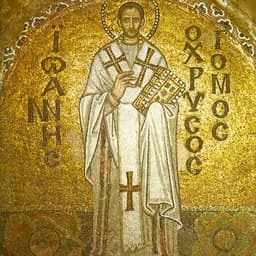
St. John Chrysostom (c. 347–407)

Homilies on the Gospel of Matthew, Homily 44 (on Matthew 13:3–9) Source: trans. in the Nicene and Post-Nicene Fathers, First Series, Vol. 10. Public domain. Full text: https://www.newadvent.org/fathers/200144.htm

On who the sower is, and what the seed and the land are:

Whence went He forth, who is present everywhere, who fills all things? Or how went He forth? Not in place, but in condition and dispensation to usward, coming nearer to us by His clothing Himself with flesh... And wherefore came He forth? ... to till and tend it, and to sow the word of godliness. For by seed here He means His doctrine, and by land, the souls of men, and by the sower, Himself.

On the impartiality of the sowing:

As the sower makes no distinction in the land submitted to him, but simply and indifferently casts his seed; so He Himself too makes no distinction of rich and poor, of wise and unwise, of slothful or diligent, of brave or cowardly; but He discourses unto all, fulfilling His part, although foreknowing the results.

On where the blame lies, and why Christ leaves it unspoken:

Whence then, tell me, was the greater part of the seed lost? Not through the sower, but through the ground that received it; that is, the soul that did not hearken. And wherefore does He not say, Some the careless received, and lost it; some the rich, and choked it, and some the superficial, and betrayed it? It is not His will to rebuke them severely, lest He should cast them into despair, but He leaves the reproof to the conscience of His hearers.

On the great difference between soil and souls, that souls can change:

With regard to the seeds and the earth it cannot be reasonable; but in the case of men's souls and their instructions, it has its praise, and that abundantly. For the husbandman indeed would reasonably be blamed for doing this; it being impossible for the rock to become earth, or the wayside not to be a wayside, or the thorns, thorns; but in the things that have reason it is not so. There is such a thing as the rock changing, and becoming rich land; and the wayside being no longer trampled on, nor lying open to all that pass by, but that it may be a fertile field; and the thorns may be destroyed, and the seed enjoy full security. For had it been impossible, this Sower would not have sown. And if the change did not take place in all, this is no fault of the Sower, but of them who are unwilling to be changed.

On the fault lying in us, not in the things themselves:

Though the devil do catch them away, yet it rests with us, whether they be caught away; though the plants wither, yet it is not from the heat this takes place... although His sayings are choked, it is not because of the thorns, but of them who suffer them to spring up... Therefore He said not, "the world," but "the care of the world;" nor "riches," but "the deceitfulness of riches."


St. Cyril of Alexandria (c. 376–444)

Commentary on the Gospel of Luke, Sermon 41 (on Luke 8:4–15) Source: trans. R. Payne Smith, 1859. Public domain. Full text: https://www.tertullian.org/fathers/cyril_on_luke_04_sermons_39_46.htm

On the sower as Christ Himself:

The Sower, He says, went out to "sow his seed, and so forth." Concerning whom then did He thus speak? Evidently concerning Himself. For He verily is the Sower of all that is good, and we are His husbandry: and by Him and from Him is the whole harvest of spiritual fruits. And this He taught us when saying, "Without Me ye can do nothing."

On the wayside, the hard and untilled heart:

As to the cause of the seed on the pathways being snatched away, we see in a moment that it is the hardness of the ground. A pathway always is hard and untilled, because it is exposed to every one's feet, nor is any seed admitted into it... All those therefore, whose mind is hard and unyielding, and so to speak, pressed together, do not receive the divine seed... Let those therefore awake, whose heart is sterile and unfruitful: open your mind, receive the sacred seed, be like productive and well-tilled soil... guard your mind, shut the entrance against the thief, drive away from your hearts the flocks of birds, in order that the seed may abide with you.

On the rock, the rootless faith that fails under trial:

There are verily men whose faith has not been proved, depending on words simply, and not applying their mind to the examining of the mystery: of such the piety is sapless and without root. For when they enter the churches, they feel pleasure often in seeing so many assembled... but this they do with no discretion or judgment, but with unpurified wills: and when they have gone out of the churches, at once they forget the sacred doctrines... But if persecution trouble them, and the enemies of the truth attack the churches of the Savior, their heart loves not the battle, and their mind throws away the shield and flees.

On the thorns, the cares and riches that choke the word:

"But that which fell among the thorns are they who have heard, and by cares, and wealth, and pleasures of the world, go and are choked, and yield no fruit." ... In order therefore that the divine seed may blossom well in us, let us first cast out of the mind worldly cares, and the unprofitable anxiety which makes us seek to be rich, "For we brought nothing into the world, nor can we take any thing out."

On the good ground, the pure mind that bears a hundredfold:

This is the good seed, and worthy of admiration: the land rich and well productive, that bringeth forth fruit a hundredfold... For when the divine word falls upon a mind pure and skilful in cleansing itself from things hurtful, it then fixes its root deeply, and shoots up like an ear of corn, and so to speak, being strong in blade, and well flowered, brings its fruit to perfection.


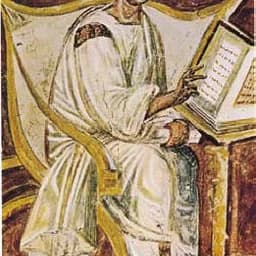
Blessed Augustine of Hippo (354–430)

As preserved in the Catena Aurea on Matthew. Public domain.

On the parable as parable, that its events need not have literally happened:

It is certain that the Lord spoke the things which the Evangelist has recorded; but what the Lord spake was a parable, in which it is never required that the things contained should have actually taken place.

On the blinding of the unbelieving, and the mercy hidden within their judgment:

From which we learn, that by their sins they deserved not to understand; and that yet this was allowed them in mercy that they should confess their sins, and should turn, and so merit to be forgiven.


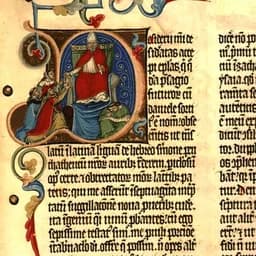
St. Jerome (c. 347–420)

As preserved in the Catena Aurea on Matthew. Public domain.

On the sower as the Son of God:

By this sower is typified the Son of God, who sows among the people the word of the Father.

On reverence before the Lord's own interpretation:

Note that this is the first parable that has been given with its interpretation, and we must beware where the Lord expounds His own teaching ... that we do not presume to understand any thing either more or less, or any way otherwise than as so expounded by Him.

On the deceitfulness of riches that choke the word:

For riches are treacherous, promising one thing and doing another. The tenure of them is slippery as they are borne hither and thither, and with uncertain step forsake those that have them, or revive those that have them not. Whence the Lord asserts, that rich men hardly enter into the kingdom of heaven, because their riches choke the word of God, and relax the strength of their virtues.

On the order of hearing, understanding, and bearing fruit:

Therefore we ought first to hear, then to understand, and after understanding to bring forth the fruits of teaching, either an hundred-fold, or sixty, or thirty.


St. Hilary of Poitiers (c. 310–367)

As preserved in the Catena Aurea on Matthew. Public domain.

On the ship as a figure of the Church:

There is moreover a reason in the subject of His discourse why the Lord should sit in the ship, and the multitude stand on the shore. For He was about to speak in parables, and by this action signifies that they who were without the Church could have no understanding of the Divine Word. The ship offers a type of the Church, within which the word of life is placed, and is preached to those without, and who as being barren sand cannot understand it.

On the Jews losing the Law, and the perfect gift of Gospel faith:

For the Jews not having faith, have lost also the Law which they had; and Gospel faith has the perfect gift, inasmuch as if received it enriches with new fruit, if ... rejected it subtracts from the riches of ancient possession.


Note on other Fathers

Chrysostom and Cyril read the parable the same way at every point: the sower is Christ, the seed is His word, and the four soils are not differences in the seed but differences in the hearers who receive it, so that the parable becomes a mirror for self-examination, asking which ground we are. Chrysostom presses the consolation that souls, unlike literal soil, can change, so that no hardened or shallow or choked hearer need despair of becoming good ground. Cyril dwells on perseverance under trial, urging the rootless hearer to stand like a soldier rather than throw away the shield and flee. Blessed Augustine guards the parable as parable and uncovers the mercy hidden even within the judgment of the blinded, while Jerome teaches reverence before the Lord's own interpretation and warns of the treachery of riches; Hilary reads the ship as a figure of the Church, outside which the Divine Word cannot be understood. Because Christ supplies the interpretation in the Gospel itself, the patristic tradition is unusually unanimous here. The Catena Aurea preserves further comment on this passage from Gregory the Great's pupils and the Western glossators (Rabanus Maurus, Remigius, the Gloss), whose more allegorical notes have not been quoted above; St. Ambrose and the Venerable Bede also touch on the sower, but their fuller treatments survive in English chiefly in modern copyrighted translations.

Patristic sources