The Truth Shall Make You Free
John 8:31–47 · Journey to Jerusalem
Scripture
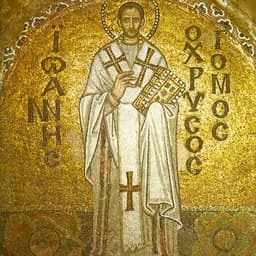
John 8:31–47
hen said Jesus to those Jews which believed on him, If ye continue in my word, then are ye my disciples indeed; 32And ye shall know the truth, and the truth shall make you free. 33They answered him, We be Abraham’s seed, and were never in bondage to any man: how sayest thou, Ye shall be made free? 34Jesus answered them, Verily, verily, I say unto you, Whosoever committeth sin is the servant of sin. 35And the servant abideth not in the house for ever: but the Son abideth ever. 36If the Son therefore shall make you free, ye shall be free indeed. 37I know that ye are Abraham’s seed; but ye seek to kill me, because my word hath no place in you. 38I speak that which I have seen with my Father: and ye do that which ye have seen with your father. 39They answered and said unto him, Abraham is our father. Jesus saith unto them, If ye were Abraham’s children, ye would do the works of Abraham. 40But now ye seek to kill me, a man that hath told you the truth, which I have heard of God: this did not Abraham. 41Ye do the deeds of your father. Then said they to him, We be not born of fornication; we have one Father, even God. 42Jesus said unto them, If God were your Father, ye would love me: for I proceeded forth and came from God; neither came I of myself, but he sent me. 43Why do ye not understand my speech? even because ye cannot hear my word. 44Ye are of your father the devil, and the lusts of your father ye will do. He was a murderer from the beginning, and abode not in the truth, because there is no truth in him. When he speaketh a lie, he speaketh of his own: for he is a liar, and the father of it. 45And because I tell you the truth, ye believe me not. 46Which of you convinceth me of sin? And if I say the truth, why do ye not believe me? 47He that is of God heareth God’s words: ye therefore hear them not, because ye are not of God.
King James Version · public domain
Joani 8:31–47
isuj pra u thoshte atyre Judhenjet që i kishinë besuarë, Ndë qoftë se besoni ju ndë fjalët t’ime, jeni me të-vërtetë nxënës të-mi; 32Edhe dotë njihni të-vërtetënë, edhe e-vërteta dot’ u lironjë juve. 33I upërgjeqnë ati, Jemi far’ e Avraamit, edhe asnjeriu nuk’ i jemi bërë kurrë shërbëtorë; qysh thua ti, Se dotë bëheni të-liruarë? 34Jisuj u upërgjeq atyre, Me të-vërtetë, me të-vërtetë po u them juve, Se kushdo që bën fajnë, shërbëtuar’ i fajit është. 35Edhe shërbëtori nukë mbetetë ndë shtëpit për gjithë jetënë; po biri mbetetë për gjithë jetënë. 36Ndë u liroftë pra juve Biri, me të-vërtetë dotë jeni të-liruarë. 37E di se jeni far’ e Avraamit; po kërkoni të më vrisni, sepse fjala ime nukë zë vënt ndër ju. 38Unë flas ç’kam parë përanë t’im Eti; edhe ju gjithashtu bëni ç’keni parë përanë atit t’uaj. 39I upërgjeqnë e i thanë, Ati ynë është Avraami. Jisuj u thot’ atyre, Po të ishitë bij t’Avraamit, punërat’ e Avraamit dotë bënitë. 40Po ndashti kërkoni të më vrisni, njeri që u kam folurë të-vërtetënë, që dëgjova prej Perëndisë; Avraami këtë nuk’ e bëri. 41Ju bëni punërat’ e atit t’uaj. I thanë pra ati, Neve s’kemi lindurë prej kurvërie; një atë kemi, Perëndinë. 42Jisuj pra u tha atyre, Po të ishte Perëndia ati juaj, dotë më donitë; sepse unë prej Perëndisë dolla, edhe prej ati vinj; sepse nuk’ arthçë prej vetëhesë s’ime, po ay më dërgoj. 43Përse nukë njihni të-foluritë t’im? sepse nukë munt të dëgjoni fjalënë t’ime. 44Ju jeni prej djallit, atit t’uaj edhe doni të bëni dëshirimet’ e atit t’uaj. Ay ishte që ndë kryet njeri-vrasës, edhe nukë qëndron ndë të-vërtetët; sepse të-vërtetë nukë ka tek ay. Kur flet gënjeshtrënë, flet nga të-tijatë; sepse është gënjeshtar, edhe i at’ i asaj, i gënjeshtrësë. 45Po mua, sepse them të-vërtetënë, nukë më besoni. 46Cili prej jush më shan për faj? po ndë them të-vërtetënë, përse s’më besoni ju? 47Ay që është prej Perëndisë, fjalët’ e Perëndisë dëgjon; përandaj ju nukë dëgjoni, sepse prej Perëndisë nukë jeni.
Kristoforidhi, Dhiata e Re Toskërisht 1879 · zotërim publik
In their own words
But He desired not to show that they were slaves of men, but that they were slaves of sin, which is the most grievous slavery, from which God alone can deliver; for to forgive sins belongeth to none other.
St. John Chrysostom, Homilies on the Gospel of St. John, Homily LIV (on John 8:31–47)
Patristic sources
- St. John Chrysostom
- Homilies on the Gospel of St. John, Hom. 54
- St. Cyril of Alexandria
- Commentary on the Gospel of John, Book 5
- Theophylact of Ohrid
- Explanation of the Gospel of John
- Blessed Augustine of Hippo
- Tractates on the Gospel of John, Tractates 41–42
Venerated in the East as Blessed; his Johannine tractates are cited in later Byzantine catenae.
- St. Hilary of Poitiers
- Catena Aurea on John (on John 8:42)
- St. Gregory the Great
- Catena Aurea on John (on John 8:34, 8:47)
Read the sources: Chrysostom, Homilies on John, Homily LIV (CCEL) · Augustine, Tractates on John, Tractate XLI (CCEL) · Cyril of Alexandria, Commentary on John, Book 5 (tertullian.org) · Catena Aurea on John (isidore.co)
The Truth Shall Make You Free (John 8:31–47)
The texts below are quoted verbatim from public-domain English translations; nothing is paraphrased.
St. John Chrysostom (c. 347–407)
Homilies on the Gospel of St. John, Homily LIV (on John 8:31–47) Source: trans. in the Nicene and Post-Nicene Fathers, First Series, Vol. 14. Public domain. Full text: https://ccel.org/ccel/schaff/npnf114.iv.lvi.html
On the bondage from which Christ promises freedom:
On "If the Son therefore shall make you free":
That the power to loose from sin is proper to God alone:
On "Ye are of your father the devil":
St. Cyril of Alexandria (c. 376–444)
Commentary on the Gospel of John, Book V (on John 8:31–36) Source: trans. P. E. Pusey, Library of Fathers, 1874. Public domain. Full text: https://www.tertullian.org/fathers/cyril_on_john_05_book5.htm
On continuance in the word as the passage from the shadow of the Law to the Truth Himself:
On "Whosoever committeth sin is the servant of sin":
On "If the Son shall make you free ye shall be free indeed":
Theophylact of Ohrid (c. 1055–1107)
Explanation of the Gospel of John (on John 8:31–38) As preserved in the Catena Aurea on John. Public domain. Full text: https://isidore.co/aquinas/english/CAJohn.htm
On the word of absolution spoken to those who continue in the faith:
On "I speak that which I have seen with My Father":
Blessed Augustine of Hippo (354–430)
Tractates on the Gospel of John, Tractates XLI and XLII (on John 8:31–47) Source: trans. in the Nicene and Post-Nicene Fathers, First Series, Vol. 7. Public domain. Full text: https://ccel.org/ccel/schaff/npnf107.iii.xlii.html
On what it is to continue in the word:
On the Truth that shall make free:
On the misery of the slave of sin, who cannot flee from himself:
On "If the Son therefore shall make you free":
On being children of the devil by imitation, not by birth:
On "He that is of God heareth God's words":
St. Hilary of Poitiers (c. 310–367)
On loving the Son as the mark of those who claim God as Father, as preserved in the Catena Aurea on John (on John 8:42) As preserved in the Catena Aurea on John. Public domain. Full text: https://isidore.co/aquinas/english/CAJohn.htm
On why the claim to be sons of God is made good only by loving the Son:
St. Gregory the Great (c. 540–604)
On the servitude of sin and the hearing of God's word, as preserved in the Catena Aurea on John (on John 8:34–47) As preserved in the Catena Aurea on John. Public domain. Full text: https://isidore.co/aquinas/english/CAJohn.htm
On sin as a self-chosen yoke:
That perverse desire tightens its own bondage:
On "He that is of God heareth God's words" — hearing with the ears of the heart: