The Unbelief of Thomas
John 20:24–29 · Post-Resurrection
Scripture
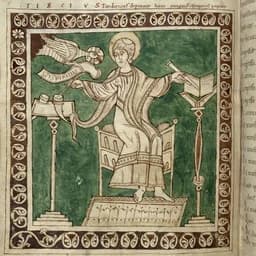
John 20:24–29
ut Thomas, one of the twelve, called Didymus, was not with them when Jesus came. 25The other disciples therefore said unto him, We have seen the LORD. But he said unto them, Except I shall see in his hands the print of the nails, and put my finger into the print of the nails, and thrust my hand into his side, I will not believe. 26And after eight days again his disciples were within, and Thomas with them: then came Jesus, the doors being shut, and stood in the midst, and said, Peace be unto you. 27Then saith he to Thomas, Reach hither thy finger, and behold my hands; and reach hither thy hand, and thrust it into my side: and be not faithless, but believing. 28And Thomas answered and said unto him, My LORD and my God. 29Jesus saith unto him, Thomas, because thou hast seen me, thou hast believed: blessed are they that have not seen, and yet have believed.
King James Version · public domain
Joani 20:24–29
o Thomaj, një nga të dy-mbë-dhjetëtë, që thuhetë Binjak, nuk’ ishte bashkë me ata, kur erdhi Jisuj. 25Nxënësit’ e-tjerë pra i thoshinë, Pamë Zotinë. Po ay u tha atyre, Ndë mos pafsha ndë duart t’ati shënjën’ e peronavet, edhe të vë gishtinë t’im ndë shënjët të peronavet, edhe të vë dorënë ndë brinjët t’ati, s’kam për të besuarë. 26Edhe pas tetë ditsh përsëri ishinë brënda nxënësit’ e ati, edhe Thomaj me ata. Vjen Jisuj, ndonëse dyertë ishinë mbyllurë, edhe ndënji ndë mest, edhe tha, Paqtim mbë ju. 27Pastaj i thotë Thomajt, Bierë gishtinë t’ënt këtu, edhe shih duart’ e mia; edhe bierë dorënë t’ënde, edhe vër’-e ndë brinjët t’ime, edhe mos ubëj i-pabesë, po besëtar. 28Edhe Thomaj upërgjeq, e i tha, Zoti im edhe Perëndia im, 29Jisuj i thotë, Sepse më pe, (o Thoma,) besove; lum ata që nukë panë, edhe besuanë.
Kristoforidhi, Dhiata e Re Toskërisht 1879 · zotërim publik
In their own words
The Divine mercy ordained that a doubting disciple should, by feeling in his Master the wounds of the flesh heal in us the wounds of unbelief. The unbelief of Thomas is more profitable to our faith, than the belief of the other disciples; for, the touch by which he is brought to believe, confirming our minds in belief, beyond all question.
St. Gregory the Great, Forty Gospel Homilies, Homily 26 (on John 20:24–29) (Catena Aurea)
Patristic sources
- St. John Chrysostom
- Homilies on the Gospel of John, Hom. 87
- St. Cyril of Alexandria
- Commentary on the Gospel of John, Book XII
- Theophylact of Ohrid
- Explanation of the Gospel of John
His Gospel exegesis survives in public-domain English only through the Catena Aurea.
- Blessed Augustine of Hippo
- Tractates on the Gospel of John, Tractate 121
Venerated in the East as Blessed; his Johannine tractates are cited in later Byzantine catenae.
- St. Gregory the Great
- Forty Gospel Homilies, Hom. 26
His Gospel homilies are public-domain English only through the Catena Aurea.
Read the sources: Chrysostom on John, Homily 87 (CCEL) · Cyril of Alexandria on John, Book 12 (tertullian.org) · Augustine, Tractate 121 on John (CCEL) · Catena Aurea on John (isidore.co)
The Unbelief of Thomas (John 20:24–29)
The texts below are quoted verbatim from public-domain English translations; nothing is paraphrased.
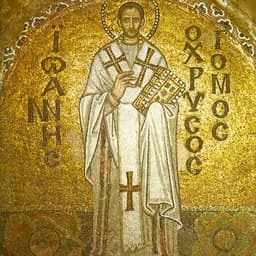
St. John Chrysostom (c. 347–407)
Homilies on the Gospel of John, Homily 87 (on John 20:24–29) Source: trans. in the Nicene and Post-Nicene Fathers, First Series, Vol. 14. Public domain. Full text: https://www.ccel.org/ccel/schaff/npnf114.iv.lxxxix.html
On the lovingkindness of the Lord, who for a single soul's sake showed Himself with His wounds:
On how the incorruptible body bore the prints of the nails by way of condescension:
On "blessed are they who have not seen, and yet have believed":
St. Cyril of Alexandria (c. 376–444)
Commentary on the Gospel of John, Book XII (on John 20:24–29) Source: trans. T. Randell, Library of Fathers, 1885. Public domain. Full text: https://www.tertullian.org/fathers/cyril_on_john_12_book12.htm
On how the doubt of the disciple was opportune, that we who come after might be unshaken:
On "My Lord and my God" as a confession of the one Lord and God by nature:
On the blessedness of those who believe through the voice of the Apostles without seeing:
Theophylact of Ohrid (c. 1055–1107)
Explanation of the Gospel of John (on John 20:28) As preserved in the Catena Aurea on John. Public domain. Full text: https://isidore.co/aquinas/english/CAJohn.htm
On "My Lord and my God" as a confession of the two natures in one Person:
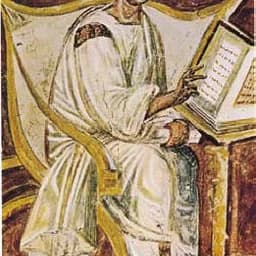
Blessed Augustine of Hippo (354–430)
Tractates on the Gospel of John, Tractate 121 (on John 20:24–29) Source: trans. in the Nicene and Post-Nicene Fathers, First Series, Vol. 7. Public domain. Full text: https://www.ccel.org/ccel/schaff/npnf107.iii.cxxii.html
On the wounds kept for the healing of the doubting:
On how Thomas saw the man and confessed the God whom he did not see:
On "Blessed are they that have not seen, and yet have believed" as the faith of the Gentiles:
St. Gregory the Great (c. 540–604)
Forty Gospel Homilies, Homily 26 (on John 20:24–29) As preserved in the Catena Aurea on John. Public domain. Full text: https://isidore.co/aquinas/english/CAJohn.htm
On how the doubt of Thomas profits our faith more than the belief of those who saw:
On how Thomas saw one thing and confessed another: