The Visit of the Magi and the Star
Matt 2:1–12 · Infancy and childhood
Scripture
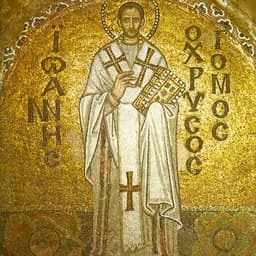
Matthew 2:1–12
ow when Jesus was born in Bethlehem of Judaea in the days of Herod the king, behold, there came wise men from the east to Jerusalem, 2Saying, Where is he that is born King of the Jews? for we have seen his star in the east, and are come to worship him. 3When Herod the king had heard these things, he was troubled, and all Jerusalem with him. 4And when he had gathered all the chief priests and scribes of the people together, he demanded of them where Christ should be born. 5And they said unto him, In Bethlehem of Judaea: for thus it is written by the prophet, 6And thou Bethlehem, in the land of Juda, art not the least among the princes of Juda: for out of thee shall come a Governor, that shall rule my people Israel. 7Then Herod, when he had privily called the wise men, enquired of them diligently what time the star appeared. 8And he sent them to Bethlehem, and said, Go and search diligently for the young child; and when ye have found him, bring me word again, that I may come and worship him also. 9When they had heard the king, they departed; and, lo, the star, which they saw in the east, went before them, till it came and stood over where the young child was. 10When they saw the star, they rejoiced with exceeding great joy. 11And when they were come into the house, they saw the young child with Mary his mother, and fell down, and worshipped him: and when they had opened their treasures, they presented unto him gifts; gold, and frankincense, and myrrh. 12And being warned of God in a dream that they should not return to Herod, they departed into their own country another way.
King James Version · public domain
Mateu 2:1–12
dhe Jisuj si lindi ndë Vithleemë të Judhesë, ndë ditt të mbretit Irodh, ja ca magjistarë nga të-lindurit’e djellit erthnë ndë Jerusalim, 2e thoshinë, Ku është mbret’ i Judhenjvet që ka lindurë? sepse pam’ yllin’ e ati ndë të-lindurit të djellit, e erthmë që t’i falemi. 3Edhe mbreti Irodh kur dëgjoj, udroth edhe gjithë Jerusalimi bashkë me atë. 4Edhe si mblodhi gjithë krye-priftërt’ edhe shkronjësit e gjindjesë, pyeste të marrë vesh prej atyre, ku lint Krishti. 5Edhe ata i thanë ati, Ndë Vithlehemë të Judhesë; sepse kështu është shkruarë me anë të profitit, 6“Edhe ti, Vithlehemë, dheu i Judhesë, asfare nukë je m’ e-vogëla ndër zotërinjt të Judhesë; sepse prej teje dotë dalë një i-parë, i-cili dotë kullosnjë llauzinë t’im Israil.” 7Atëhere Irodhi thirri fshehurazi magjistarëtë, e mori vesh mirë nga ata kohën’ e yllit që ishte dukurë; 8Edhe dyke dërguarë ata ndë Vithlehemë, tha, Shkoni e vëzhgoni mirë për djalënë; edhe si t’a gjeni, të më epni zë, që të vinj edhe unë e t’i falem ati. 9Edhe ata si dëgjuanë mbretnë vanë; edhe ja ylli që kishinë parë ndë të-lindurit të djellit tek shkonte përpara atyre, gjersa erdhi e qëndroj sipër tek ishte djali. 10Edhe ata kur panë yllinë, ugëzuanë gëzim të-math fort. 11Edhe si erthnë ndë shtëpit, gjetnë djalënë bashkë me t’ëmën’ e ti Mari, edhe ranë mbë dhe e i ufalnë ati, edhe si hapnë thesarët’ e tyre, i prunë ati dhurëti, ar e livan e smirnë. 12Edhe si udëftye atyre nga Perëndia nd’ëndërrë të mos kthenenë tek Irodhi, nga një tjatër’ udhë shkuanë ndë vëntt të tyre.
Kristoforidhi, Dhiata e Re Toskërisht 1879 · zotërim publik
In their own words
Gold, as paid to a mighty King; frankincense, as offered to God; myrrh, as to one who is to die for the sins of all.
Blessed Augustine of Hippo, on the wise men (Catena Aurea on Matthew)
Patristic sources
- St. John Chrysostom
- Homilies on Matthew, Hom. 6
- Homilies on Matthew, Hom. 8
- St. Gregory of Nyssa
- On the Magi and fate (Catena Aurea on Matthew)
Quoted only as preserved in the Catena Aurea on Matthew.
- Blessed Augustine of Hippo
- Sermons on the Epiphany (Catena Aurea on Matthew)
Venerated in the East as Blessed; his comments on the Magi survive here through the Catena Aurea.
- St. Jerome
- Commentary on Micah (Catena Aurea on Matthew)
- St. Leo the Great
- Sermons on the Feast of the Epiphany, Serm. 31 and 33
- St. Gregory the Great
- Forty Gospel Homilies, Hom. 10 (Catena Aurea on Matthew)
Read the sources: Chrysostom, Homilies on Matthew (CCEL, NPNF1-10) · Catena Aurea on Matthew, ch. 2 (CCEL) · Leo the Great, Sermons on the Epiphany (CCEL, NPNF2-12)
The Visit of the Magi and the Star (Matthew 2:1–12)
The texts below are quoted verbatim from public-domain English translations; nothing is paraphrased.
St. John Chrysostom (c. 347–407)
Homilies on the Gospel of Matthew, Homilies 6 and 8 (on Matthew 2:1–12) Source: trans. in the Nicene and Post-Nicene Fathers, First Series, Vol. 10. Public domain. Full text: https://www.ccel.org/ccel/schaff/npnf110.iii.VI_1.html
On what manner of star it was that led them, and why it was no common star:
On the treasures opened before the Child, and the gifts offered not as to a man but as to God (Homily 8):
St. Gregory of Nyssa (c. 335–395)
On the wise men and the vanity of fate (on Matthew 2:1–12) As preserved in the Catena Aurea on Matthew. Public domain. Full text: https://www.ccel.org/ccel/aquinas/catena1.ii.ii.html
On the emptiness of a life ruled by fate, and the free will the star could not take away:
Blessed Augustine of Hippo (354–430)
On the wise men, the first-fruits of the Gentiles (on Matthew 2:1–12) As preserved in the Catena Aurea on Matthew. Public domain. Full text: https://www.ccel.org/ccel/aquinas/catena1.ii.ii.html
On the wise men as the first-fruits of the Gentiles, drawn with the shepherds to the one Corner-stone:
On the threefold gift, confessing the King, the God, and the man who would die:
St. Jerome (c. 347–420)
Commentary on Micah, on the prophecy of Bethlehem (on Matthew 2:1–12) As preserved in the Catena Aurea on Matthew. Public domain. Full text: https://www.ccel.org/ccel/aquinas/catena1.ii.ii.html
On the sense of Micah's prophecy, that out of little Bethlehem should come the Ruler of Israel:
St. Leo the Great (c. 400–461)
Sermons on the Feast of the Epiphany, Sermons 31 and 33 (on Matthew 2:1–12) From his Sermons on the Feast of the Epiphany, NPNF translation. Public domain. Full text: https://www.ccel.org/ccel/schaff/npnf212.ii.v.xvii.html
On the adoration of the wise men and the meaning of their three gifts:
On their returning to their own country by another way (Sermon 33):
St. Gregory the Great (c. 540–604)
Forty Gospel Homilies, Homily 10 (on Matthew 2:1–12) As preserved in the Catena Aurea on Matthew. Public domain. Full text: https://www.ccel.org/ccel/aquinas/catena1.ii.ii.html
On the mystical sense of gold, frankincense, and myrrh in the life of the believer:
On the return by another way, and our own return to Paradise: