The wheat and the tares
Matt 13:24–30, 36–43 · Later ministry in Galilee
Scripture
Jump to a Father
Matthew 13:24–30, 36–43
nother parable put he forth unto them, saying, The kingdom of heaven is likened unto a man which sowed good seed in his field: 25But while men slept, his enemy came and sowed tares among the wheat, and went his way. 26But when the blade was sprung up, and brought forth fruit, then appeared the tares also. 27So the servants of the householder came and said unto him, Sir, didst not thou sow good seed in thy field? from whence then hath it tares? 28He said unto them, An enemy hath done this. The servants said unto him, Wilt thou then that we go and gather them up? 29But he said, Nay; lest while ye gather up the tares, ye root up also the wheat with them. 30Let both grow together until the harvest: and in the time of harvest I will say to the reapers, Gather ye together first the tares, and bind them in bundles to burn them: but gather the wheat into my barn. 36Then Jesus sent the multitude away, and went into the house: and his disciples came unto him, saying, Declare unto us the parable of the tares of the field. 37He answered and said unto them, He that soweth the good seed is the Son of man; 38The field is the world; the good seed are the children of the kingdom; but the tares are the children of the wicked one; 39The enemy that sowed them is the devil; the harvest is the end of the world; and the reapers are the angels. 40As therefore the tares are gathered and burned in the fire; so shall it be in the end of this world. 41The Son of man shall send forth his angels, and they shall gather out of his kingdom all things that offend, and them which do iniquity; 42And shall cast them into a furnace of fire: there shall be wailing and gnashing of teeth. 43Then shall the righteous shine forth as the sun in the kingdom of their Father. Who hath ears to hear, let him hear.
King James Version · public domain
Mateu 13:24–30, 36–43
jë tjatërë paravoli u pruri atyre, dyke thënë, Mbretëri’ e qiejvet gjan me një njeri që mbolli farë të-mirë nd’arët të ti; 25po tek flininë njerëzitë, erdhi armiku i ati, e mbolli egjër ndë mest të grurit, edhe iku. 26Edhe kur mbiu bari e bëri pemë, atëhere uduk edhe egjëri. 27Edhe shërbëtorët’ erthnë përanë të-zotit të shtëpisë, e i thanë, Zot, nukë mbolle ti farë të-mirë ndë arët t’ënde? nga dolli pra egjëri? 28Po ay u tha atyre, Ndonjë njeri armik e ka bërë këtë. Edhe shërbëtorët’ i than’ ati, Do pra të vemi e t’a mbledhëm atë? 29Po ay tha, Jo; sepse dyke mbledhurë egjërinë, mos çkulni edhe grurëtë bashkë me atë. 30Lër-i-ni të rritenë të dy bashkë gjer mbë të-korrët edhe ndë kohët të të-korrit dot’ u them korrësvet, Mblithni më përpara egjërinë, edhe e lithni dorëza, për të djegur’ atë; po grurët’ e mblithni ndë grunart t’im. 36Atëhere Jisuj la gjindjen’ e erdhi ndë shtëpit, edhe nxënësit’ e ati i erthnë përanë e i thanë, sgjith-na paravolin’ e egjërit t’arësë. 37Edhe ay upërgjeq e u tha atyre: Ay që mbjell farën’ e-mirë ësht’ i Bir’ i njeriut; 38edhe ara është bota; edhe far’ e-mirë, këta janë të bijt’ e mbretërisë; edhe egjëri janë të bijt’ e të-ligut; 39Edhe armiku që mbolli ata, është djalli; edhe të-korrëtë është të-mbaruarët’ e jetësë; edhe korrësitë janë ëngjëjtë. 40Sindëkur pra mblidhetë egjëri, edhe digjetë ndë zjarr, kështu dotë jetë mbë të-mbaruarët të kësaj jetë. 41I Bir’ i njeriut dotë dërgonjë ëngjëjt’ e ti, edhe dotë mbledhënë nga mbretëri’ e ati gjithë skan-dhalitë, edhe ata që punojnë paudhërinë; 42Edhe dot’i hedhën ata ndë furrët të zjarrit; atje dotë jetë të-qarët’ e të-kërcëlliturit’ e dhëmbëvet. 43Atëhere të-drejtëtë dotë ndritnjënë si djelli ndë mbretërit t’Atit të tyre. Ay që ka veshë për të dëgjuar letë dëgjonjë.
Kristoforidhi, Dhiata e Re Toskërisht 1879 · zotërim publik
In their own words
of the very tares it is likely that many may change and become wheat. If therefore ye root them up beforehand, ye injure that which is to become wheat, slaying some, in whom there is yet room for change and improvement.
St. John Chrysostom, Homilies on the Gospel of St. Matthew, Homily XLVI (on Matt. xiii. 24-30), section 1; NPNF1 Vol. 10
Patristic sources
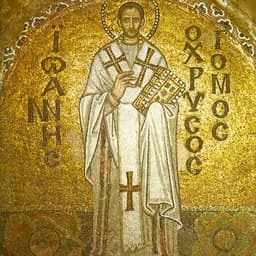
- St. John Chrysostom
- Homilies on Matthew, Hom. 46
- Origen of Alexandria
- Commentary on Matthew, Book X
- Theophylact of Ohrid
- Commentary on Matthew, on Matt 13
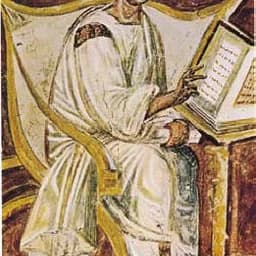
- Blessed Augustine
- Anti-Donatist writings; Sermons on New Testament Lessons
Read the sources: Chrysostom on Matthew (CCEL)
The Parable of the Wheat and the Tares (Matthew 13:24–30)
The texts below are quoted verbatim from public-domain English translations; nothing is paraphrased.
St. John Chrysostom (c. 347–407)
Homilies on the Gospel of Matthew, Homilies 46 and 47 (on Matthew 13:24–30 and 13:36–43) Source: trans. in the Nicene and Post-Nicene Fathers, First Series, Vol. 10. Public domain. Full text: https://www.newadvent.org/fathers/200146.htm and https://www.newadvent.org/fathers/200147.htm
On the tares as the devil's counterfeit, sown while men slept:
On why the householder forbids the servants to uproot the tares:
On the two reasons behind that restraint, including the hope that tares may yet become wheat:
On the field as the world, which belongs to Christ:
Blessed Augustine of Hippo (354–430)
Sermons on Selected Lessons of the New Testament, Sermon 23 (on the tares) Source: trans. in the Nicene and Post-Nicene Fathers, First Series, Vol. 6. Public domain. Full text: https://www.newadvent.org/fathers/160323.htm
On how the tares appeared only when the wheat began to bear fruit:
On patience with the mixture of evil and good until the harvest:
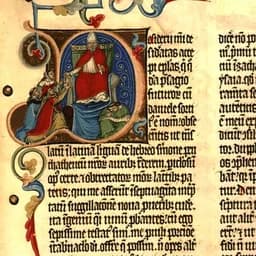
St. Jerome (c. 347–420)
From his Commentary on Matthew, as preserved in the Catena Aurea on Matthew. Public domain.
On the enemy who is called a man, and on the watchfulness owed by those set over the Church:
On the room left for repentance, lest a brother be hastily cut off:
On the close resemblance of wheat and tares, and reserving judgment to the last day:
On the burning of the tares and the gathering of the wheat into the heavenly barns: