All entriesparable

The wicked tenants

Matt 21:33–46; Mark 12:1–12; Luke 20:9–19 · Passion week in Jerusalem

Matthew 21:33–46

ear another parable: There was a certain householder, which planted a vineyard, and hedged it round about, and digged a winepress in it, and built a tower, and let it out to husbandmen, and went into a far country: 34And when the time of the fruit drew near, he sent his servants to the husbandmen, that they might receive the fruits of it. 35And the husbandmen took his servants, and beat one, and killed another, and stoned another. 36Again, he sent other servants more than the first: and they did unto them likewise. 37But last of all he sent unto them his son, saying, They will reverence my son. 38But when the husbandmen saw the son, they said among themselves, This is the heir; come, let us kill him, and let us seize on his inheritance. 39And they caught him, and cast him out of the vineyard, and slew him. 40When the lord therefore of the vineyard cometh, what will he do unto those husbandmen? 41They say unto him, He will miserably destroy those wicked men, and will let out his vineyard unto other husbandmen, which shall render him the fruits in their seasons. 42Jesus saith unto them, Did ye never read in the scriptures, The stone which the builders rejected, the same is become the head of the corner: this is the Lord’s doing, and it is marvellous in our eyes? 43Therefore say I unto you, The kingdom of God shall be taken from you, and given to a nation bringing forth the fruits thereof. 44And whosoever shall fall on this stone shall be broken: but on whomsoever it shall fall, it will grind him to powder. 45And when the chief priests and Pharisees had heard his parables, they perceived that he spake of them. 46But when they sought to lay hands on him, they feared the multitude, because they took him for a prophet.

King James Version · public domain

Mateu 21:33–46

ëgjoni një tjatërë paravoli: Një njeri ishte zot shtëpie, i-cili mbolli një vreshtë, edhe e thuri me garth, edhe rëmoj mb’atë një tirë, edhe ndërtoj një pirk; edhe e dha atë ndër bujqër, edhe iku ndë dhe të huaj. 34Edhe kur uafërua koh’ e pemëvet, dërgoj shrbëtorët’ e ti te bujqëritë, që të marrënë pemët’ e ati. 35Edhe bujqëritë zunë shërbëtorët’ e ati, e njerin’ e rrahnë, e tjetërin’ e vranë, e tjetërinë e vranë me gurë. 36Përsëri dërgoj të-tjerë shërbëtorë, më tepërë se të-parëtë, po ashtu u’a bënë edhe atyre. 37Edhe pastaj dërgoj të birrë tek ata, dyke thënë, t’im biri dot’ i kenë turp. 38Po bujqëritë kur panë të birinë, thanë njeri tjetërit, Ky është trashëgimtari; ejani t’a vrasëmë, edhe të mbajmë trashëgimn’ e ati. 39Edhe si e zunë, e nxuarnë jashtë vreshtit, edhe e vranë. 40Kur të vinjë i zot’ i vreshtit, ç’dot’u bënjë atyre bujqërvet? 41I thonë, Keq e më keq dot’ i prishnjë, edhe vreshtinë dot’u’a apë të-tjerë bujqërve, të-cilëtë dot’j’a apënë pemëtë ndë kohët t’atyre. 42Jisuj u thot’ atyre, Kurrë s’keni kënduarë ndë shkronjat, “Gurinë, që s’e pëlqyen’ ata që ndërtonjënë, ky ubë për krye çipi; nga Zoti ubë këjo, edhe ësht’ e-çudiçime ndë syt’ t’anë?” 43Përandaj po u them juve, se mbretëri’ e Perëndisë dotë merretë nga ju, edhe dotë epetë mbë një komp që bën pemët’ e asaj. 44Edhe ay që të bjerë mbi këtë gur, dotë copëtonetë; edhe mbi atë që të bjerë dot’a dërmonjë. 45Edhe krye-priftërit’ edhe Farisenjtë kur dëgjuanë paravolit’ e ati, e kupëtuanë, se thotë për ata; 46Edhe kërkoninë t’a zënë, po patnë frikë prej gjindjesë, sepse e kishinë atë si profit.

Kristoforidhi, Dhiata e Re Toskërisht 1879 · zotërim publik

Summary

The parable rests on an Old Testament foundation. The vineyard is the song of Isaiah (Isaiah 5), where the Lord plants Israel, hedges it, and looks for fruit but finds wild grapes. The Fathers read the details closely: the hedge is the Law that fenced the people from the nations, the winepress and the tower are the altar and the temple, and the householder who goes into a far country is God's long patience. The vineyard is the people of God, and the fruit is righteousness and obedience.

The servants shamefully treated are the prophets, beaten and killed across the generations, so the parable becomes a compressed history of Israel's resistance to grace. The son sent last, thrown out and slain, is Christ Himself, and the tradition reads this as His own prophecy of His Passion, spoken to the very men about to fulfill it. St. John Chrysostom underlines that the Lord makes them pronounce their own sentence, drawing the verdict from their own mouths. Cast outside the vineyard answers to His crucifixion outside the city wall.

The giving of the vineyard to others is read of the Gentiles and the Church, to whom God's planting passes when the first tenants prove faithless; this is not the rejection of a race but of an unfruitful stewardship, and the door stands open to all who bring forth fruit. Then the figure shifts from vineyard to building: the stone the builders rejected becomes the head of the corner, the word of Psalm 118 applied to the risen Christ, who joins Jew and Gentile into one house. The Fathers warn that this stone raises up those who fall upon it in repentance and crushes those upon whom it falls.

The leaders perceive He speaks of them, and their resolve to seize Him confirms the parable in the act of hearing it. The tradition also turns it inward: the vineyard is the soul, asked at the end for its fruit.

The Wicked Tenants (Matthew 21:33–46; Mark 12:1–12; Luke 20:9–19)

Public-Domain Patristic Commentary

A householder plants a vineyard, hedges it, digs a winepress, builds a tower, lets it out to husbandmen, and goes into a far country. At the time of fruit he sends his servants; the husbandmen beat one, kill another, stone a third. He sends more, who are treated likewise. Last of all he sends his son: "They will reverence my son." But they say, "This is the heir; come, let us kill him, and seize on his inheritance," and they cast him out of the vineyard and slay him. "When the lord of the vineyard cometh, what will he do unto those husbandmen?" They answer their own condemnation: "He will miserably destroy those wicked men, and let out his vineyard unto other husbandmen." Then the Lord seals it: "The stone which the builders rejected is become the head of the corner... Therefore the kingdom of God shall be taken from you, and given to a nation bringing forth the fruits thereof."

This parable stands in all three Synoptic Gospels, and the Fathers read it with one voice: the householder is God the Father; the vineyard is Israel, planted with the law, the city, the temple; the servants are the prophets, sent and slain; the son is Christ, the Heir, cast out of the vineyard and crucified; the destruction is the judgment that fell; and the vineyard let out to others is the calling of the Gentiles. Gathered below are five Fathers, three from the East and two from the West, each quoted verbatim from a public-domain translation.


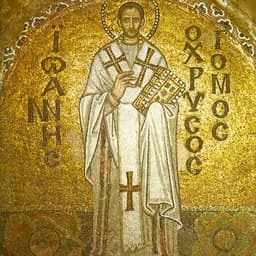
St. John Chrysostom (c. 347–407)

From his Homilies on the Gospel of Matthew (Homily 68, on Matthew 21:33–44), NPNF translation. Public domain.

On all that the parable intimates at once:

Many things does He intimate by this parable, God's providence, which had been exercised towards them from the first; their murderous disposition from the beginning; that nothing had been omitted of whatever pertained to a heedful care of them; that even when prophets had been slain, He had not turned away from them, but had sent His very Son; that the God both of the New and of the Old Testament was one and the same; that His death should effect great blessings; that they were to endure extreme punishment for the crucifixion, and their crime; the calling of the Gentiles, the casting out of the Jews.

On the householder's care, His long-suffering, and the servants who are the prophets:

For what pertained to the husbandmen, He Himself did, the hedging it round about, the planting the vineyard, and all the rest ... For when they had come forth out of Egypt, He gave a law, and set up a city, and built a temple, and prepared an altar. And "went into a far country;" that is, He bore long with them ... for by His going into a far country, He means His great long-suffering. And "He sent His servants," that is, the prophets, "to receive the fruit;" that is, their obedience.

On why the Son was sent, and what "they will reverence" declares:

And wherefore sent He not His Son immediately? In order that they might condemn themselves for the things done to the others, and leave off their wrath, and reverence Him when He came ... But He says, "They will reverence," declaring what ought to have been done, that it was their duty to have reverenced Him.

On the very place of the murder, foretold:

And where do they take counsel to kill Him? "Out of the vineyard." Do you see how He prophesies even the place where He was to be slain. "And they cast Him out, and slew Him."

On the self-condemnation, and the stone that is Christ:

For this purpose then did He speak by a parable, that themselves might pass the sentence, which was done in the case of David also, when He passed judgment on the parable of Nathan ... And by the stone He means Himself, and by builders the teachers of the Jews.


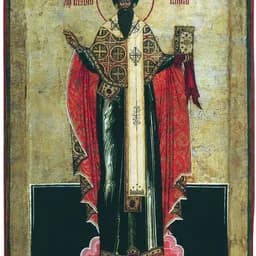
St. Cyril of Alexandria (c. 376–444)

From his Commentary on the Gospel of Luke (Sermon 135 on Luke 20:19), Payne Smith translation; with a passage as compiled in the Catena Aurea on Luke. Public domain.

On the parable's plain meaning, that they slew the prophets and the Son:

Plainly that by which He had shown that as being wicked and faithless husbandmen, they had mocked and slain the holy prophets, who had been sent to them by God, to stir them up to honour Him, by bringing forth abundant spiritual fruits: and had similarly treated even the Son Himself, the Lord of the vineyard.

On the Lord's long withdrawal, yet His ceaseless sending of prophets:

Or God took Himself away from the vineyard for the course of many years, for since the time that He was seen to descend in the likeness of fire upon Mount Sinai, He no longer vouchsafed to them His visible presence; though no change took place, in which He sent not His prophets and righteous men to give warning thereof.


St. Basil the Great (c. 330–379)

As compiled in the Catena Aurea on Luke. Public domain.

On the mercy that warns before it strikes:

It is the property of Divine mercy not to inflict punishment in secret, but to foretell it with threatenings, that so it might recall men to repentance.


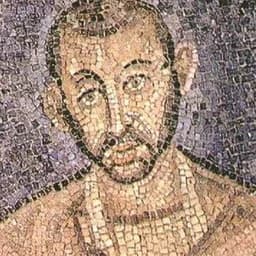
St. Ambrose of Milan (c. 339–397)

From his Exposition of the Gospel of Luke, as compiled in the Catena Aurea on Luke. Public domain.

On the vineyard, which is the house of Israel:

Now many derive different meanings from the name vineyard, but Esaias clearly relates the vineyard of the Lord of Sabaoth to be the house of Israel. This vineyard who else but God planted?

On the Lord who is everywhere, yet present or absent according to our love:

Not that our Lord journeys from place to place, seeing that He is ever present in every place, but that He is more present to those who love Him, while He removes Himself from those who regard Him not. But He was absent for a long time, lest His coming to require His fruit might seem too early. For the more indulgent it is, it renders obstinacy the less excusable.

On the Son, the Heir, put to death:

When then the only-begotten Son was sent to them, the unbelieving Jews, wishing to be rid of the Heir, put Him to death by crucifying Him, and rejected Him by denying Him. Christ is the Heir and the Testator likewise.


Blessed Augustine of Hippo (354–430)

From his Harmony of the Gospels, as compiled in the Catena Aurea on Luke. Public domain.

On why Luke alone notes the parable was spoken to the people:

Matthew has omitted for brevity's sake what Luke has not; namely, that the parable was spoken not to the rulers only who asked concerning His authority, but also to the people.

On the crowd that passed sentence, and those who cried "God forbid":

In the multitude of which we are speaking there were those who craftily asked our Lord by what authority He acted; there were those also who not craftily, but faithfully, cried aloud, "Blessed is he who comes in the name of the Lord." And so there would be some who would say, "He will miserably destroy those husbandmen, and let out his vineyard to others" ... while there would be others also who would say to those who made this answer, "God forbid," inasmuch as they understood the parable was spoken against themselves.


Note on sources and other Fathers

The Fathers are remarkably united on this parable. Chrysostom unfolds its many meanings at once, the providence of God, the prophets slain, the Son sent and killed, the one God of both Testaments, and the calling of the Gentiles; and he twice presses the point that the Lord made the rulers "pass the sentence" against themselves, as Nathan once did to David. Cyril names the husbandmen as those who "mocked and slain the holy prophets... and had similarly treated even the Son Himself, the Lord of the vineyard." Basil draws out the mercy hidden in the threat, that God "foretells it with threatenings, that so it might recall men to repentance." Ambrose identifies the vineyard from Isaiah as "the house of Israel," and reads the Lord's far journey as His presence to those who love Him and absence from those who neglect Him. Augustine, harmonizing the accounts, notes that the parable was spoken "not to the rulers only... but also to the people," some of whom passed the sentence and others cried "God forbid."

Several others speak here too: Theophylact and Bede comment on the Lukan and Markan forms, and the older reading of the servants as Moses and David appears in the Catena. The Catena on Luke and Mark also carries comments under the name of Chrysostom that on these two Gospels are in fact the work of Victor of Antioch, since Chrysostom left no commentary on Luke or Mark; those are not quoted here, and the Chrysostom above is taken from his genuine Homily 68 on Matthew.

Patristic sources