The Workers in the Vineyard
Matt 20:1–16 · Journey to Jerusalem
Scripture
Matthew 20:1–16
or the kingdom of heaven is like unto a man that is an householder, which went out early in the morning to hire labourers into his vineyard. 2And when he had agreed with the labourers for a penny a day, he sent them into his vineyard. 3And he went out about the third hour, and saw others standing idle in the marketplace, 4And said unto them; Go ye also into the vineyard, and whatsoever is right I will give you. And they went their way. 5Again he went out about the sixth and ninth hour, and did likewise. 6And about the eleventh hour he went out, and found others standing idle, and saith unto them, Why stand ye here all the day idle? 7They say unto him, Because no man hath hired us. He saith unto them, Go ye also into the vineyard; and whatsoever is right, that shall ye receive. 8So when even was come, the lord of the vineyard saith unto his steward, Call the labourers, and give them their hire, beginning from the last unto the first. 9And when they came that were hired about the eleventh hour, they received every man a penny. 10But when the first came, they supposed that they should have received more; and they likewise received every man a penny. 11And when they had received it, they murmured against the goodman of the house, 12Saying, These last have wrought but one hour, and thou hast made them equal unto us, which have borne the burden and heat of the day. 13But he answered one of them, and said, Friend, I do thee no wrong: didst not thou agree with me for a penny? 14Take that thine is, and go thy way: I will give unto this last, even as unto thee. 15Is it not lawful for me to do what I will with mine own? Is thine eye evil, because I am good? 16So the last shall be first, and the first last: for many be called, but few chosen.
King James Version · public domain
Mateu 20:1–16
epse mbretëri’ e qiejvet gjan me një njeri zot shtëpie, i-cili dolli që me natë të pajtonjë punëtorë për veshtin’ e ti; 2Edhe si pajtoj punëtorëtë nga një dinar ndë ditët, i dërgoj ndë veshtët të ti. 3Pastaj dolli ndaj të-tretënë orë, e pa të-tjerë dyke ndënjurë ndë trekt pa punë. 4U thot’ edhe atyre, Shkoni edhe ju ndë veshtët, edhe dot’u ap ç’të jet’ e udhësë. Edhe ata vanë. 5Përsëri dolli ndaj të-gjashtëtën’ edhe të-nëntëtën’ orë, edhe bëri po ashtu. 6Edhe si dolli ndaj të-një-mbë-dhjetëtën’ orë, gjeti të-tjerë dyke ndënjurë pa punë; u thot’ edhe atyre, Përse rrini këtu tërë ditënë pa punë? 7I thon’ ati, Sepse asndonjë s’na pajtoj. U thot’ atyre, Shkoni edhe ju ndë veshtët, edhe dotë merni ç’të jet’ e udhësë. 8Edhe si u ngrys, i zot’ i veshtit i thotë kujdestarit të ti, Thirrë punëtorëtë, edhe laj-u pagënë atyre, dyke zënë nga të-prapësmitë gjer mbë të parët. 9Edhe erthnë ata që ishinë pajtuarë ndaj të-një-mbë-dhjettënë orë, edhe muarnë nga një dinar. 10Edhe kur erthnë të-parëtë, pandehnë se dotë marrënë më shumë; po edhe ata muarnë nga një dinar. 11Edhe si muarnë, qaheshinë mbë të zon’ e shtëpisë, dyke thënë, 12Se këta të-prapësmitë bënë një orë, edhe i bëre si-një-një me ne që mbajtmë të-rëndit’ e ditës’ edhe vapënë. 13Po ay upërgjeq e i tha njerit nga ata, Mik, nukë të bënj keq; a nukë bëre fjalë me mua një dinar? 14Merr t’ëndinë edhe ikë; edhe këti të-prapësmit dot’i ap si edhe ty; 15Apo s’munt unë të bënj ç’të dua ndë punët t’ime? apo syri yt ësht’ i-lik, sepse unë jam i-mirë? 16Kështu dotë jenë të-prapësmitë të-parë, edhe të-parëtë të prapësm; sepse shumë veta janë të-thirrurë, po të-pakë të-sgjedhurë.
Kristoforidhi, Dhiata e Re Toskërisht 1879 · zotërim publik
In their own words
There be very many come to the faith, yet but few arrive at the heavenly kingdom; many follow God in words, but shun Him in their lives.
St. Gregory the Great, Forty Gospel Homilies, Homily 19 (on Matthew 20:1–16) (Catena Aurea)
Patristic sources
- St. John Chrysostom
- Homilies on Matthew, Hom. 64
- Origen of Alexandria
- Commentary on Matthew
On Matthew beyond ch. 19 Origen survives in PD English only through the Catena Aurea; some of his speculations were condemned in 553, so he is quoted with care.
- Blessed Augustine of Hippo
- On Holy Virginity
- On the Spirit and the Letter
Venerated in the East as Blessed rather than as a Saint; his wording here is Newman's Catena condensation.
- St. Jerome
- Commentary on Matthew
- St. Hilary of Poitiers
- Commentary on Matthew
- St. Gregory the Great
- Forty Gospel Homilies, Hom. 19
Read the sources: Chrysostom on Matthew, Homily 64 (CCEL) · Catena Aurea on Matthew, ch. 20 (CCEL)
The Workers in the Vineyard (Matthew 20:1–16)
The texts below are quoted verbatim from public-domain English translations; nothing is paraphrased.
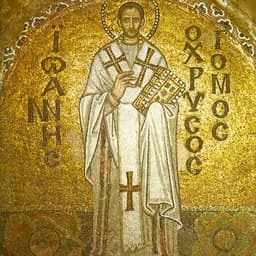
St. John Chrysostom (c. 347–407)
Homilies on the Gospel of Matthew, Homily 64 (on Matthew 20:1–16) Source: trans. in the Nicene and Post-Nicene Fathers, First Series, Vol. 10. Public domain. Full text: https://www.ccel.org/ccel/schaff/npnf110/npnf110.iii.LXI.html
On the meaning of the parable — the vineyard, the day, the labourers, and the hours:
On the object the parable was framed to effect:
On why the householder did not hire all at once:
Origen of Alexandria (c. 185–254)
Commentary on Matthew (on Matthew 20:1–16) As preserved in the Catena Aurea on Matthew. Public domain. Full text: https://www.ccel.org/ccel/aquinas/catena1.ii.xx.html (Some of Origen's later speculations were condemned in 553; the readings quoted here are his plain notes on the parable.)
On the whole day as this present life:
On the denarius:
On who the last labourer might be:
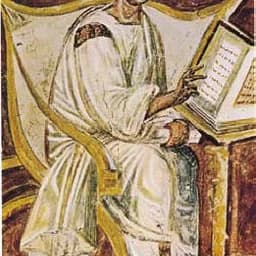
Blessed Augustine of Hippo (354–430)
On Holy Virginity and On the Spirit and the Letter (on Matthew 20:1–16) As preserved in the Catena Aurea on Matthew. Public domain. Full text: https://www.ccel.org/ccel/aquinas/catena1.ii.xx.html
On the one denarius given to all, and the mansions of differing splendour:
On why the lesser are paid first:
St. Jerome (c. 347–420)
Commentary on Matthew (on Matthew 20:1–16) As preserved in the Catena Aurea on Matthew. Public domain. Full text: https://www.ccel.org/ccel/aquinas/catena1.ii.xx.html
On the denarius that bears the King's image:
On the murmuring of those called of old:
St. Hilary of Poitiers (c. 310–367)
Commentary on Matthew (on Matthew 20:1–16) As preserved in the Catena Aurea on Matthew. Public domain. Full text: https://www.ccel.org/ccel/aquinas/catena1.ii.xx.html
On whose murmuring the labourers' complaint answers to:
St. Gregory the Great (c. 540–604)
Forty Gospel Homilies, Homily 19 (on Matthew 20:1–16) As preserved in the Catena Aurea on Matthew. Public domain. Full text: https://www.ccel.org/ccel/aquinas/catena1.ii.xx.html
On the vineyard as the Church universal, and the labourers sent in every age from Abel to the world's end:
On the hours as the ages of the world, the Hebrew people from the morning and the Gentiles at the eleventh hour:
On the same hours read as the ages of a single life:
On the many called and the few chosen: