Treasures New and Old
Matt 13:51–52 · Later ministry in Galilee
Scripture
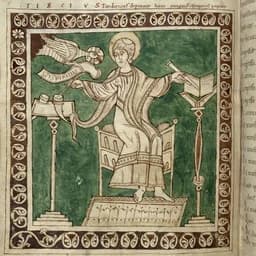
Matthew 13:51–52
esus saith unto them, Have ye understood all these things? They say unto him, Yea, Lord. 52Then said he unto them, Therefore every scribe which is instructed unto the kingdom of heaven is like unto a man that is an householder, which bringeth forth out of his treasure things new and old.
King James Version · public domain
Mateu 13:51–52
thot atyre Jisuj, A i kupëtuatë këto të gjitha? I thon’ ati, Po, Zot. 52Edhe ay u tha atyre, Përandaj çdo shkronjës që ka mësuarë punët’ e mbretëris’ së qiejvet gjan me një njeri zot-shtëpie, që nxjer nga thesar’ i ti gjërra të-reja edhe të-vjetëra.
Kristoforidhi, Dhiata e Re Toskërisht 1879 · zotërim publik
In their own words
Seest thou how so far from excluding the Old Testament, He even commends it, and speaks publicly in favor of it, calling it "a treasure"? So that as many as are ignorant of the divine Scriptures cannot be "householders;" such as neither have of themselves, nor receive of others, but neglect their own case, perishing with famine.
St. John Chrysostom, Homilies on Matthew, Homily 47 (on Matthew 13:51–52)
Patristic sources
- St. John Chrysostom
- Homilies on Matthew, Hom. 47
- Blessed Augustine of Hippo
- The City of God, Bk. XX.4
- Questions on the Gospel of Matthew, q. 16
Venerated in the East as Blessed; here preserved through the Catena Aurea on Matthew.
- St. Jerome
- Commentary on Matthew
Catena-only in public-domain English.
- St. Hilary of Poitiers
- Commentary on Matthew
Catena-only in public-domain English.
- St. Gregory the Great
- Forty Gospel Homilies
His Gospel homilies are public domain in English only through the Catena Aurea.
Read the sources: Chrysostom, Homilies on Matthew, Homily 47 (CCEL) · Catena Aurea on Matthew 13 (CCEL)
Treasures New and Old (Matthew 13:51–52)
The texts below are quoted verbatim from public-domain English translations; nothing is paraphrased.
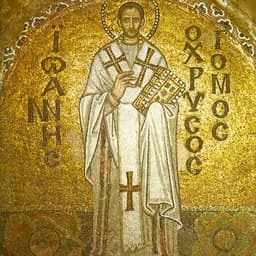
St. John Chrysostom (c. 347–407)
Homilies on the Gospel of Matthew, Homily 47 (on Matthew 13:51–52) Source: trans. in the Nicene and Post-Nicene Fathers, First Series, Vol. 10. Public domain. Full text: https://www.ccel.org/ccel/schaff/npnf110.iii.xlvii.html
On the Old Testament commended as a treasure, so that the ignorant cannot be householders:
That the new and the old are bound together, so that they who reject the old have neither:
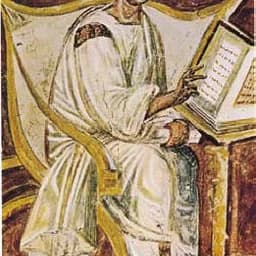
Blessed Augustine of Hippo (354–430)
The City of God, Book XX, ch. 4; and Questions on the Gospel of Matthew, q. 16 (on Matthew 13:52) As preserved in the Catena Aurea on Matthew. Public domain. Full text: https://www.ccel.org/ccel/aquinas/catena1.ii.xiii.html
On why the Lord said "new and old," preserving the order of value rather than of time:
On the two Testaments as the things new and old drawn from the treasure of the Scriptures:
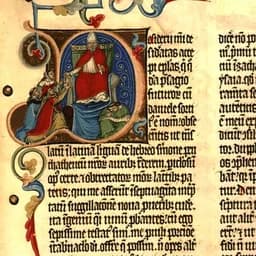
St. Jerome (c. 347–420)
Commentary on Matthew (on Matthew 13:51–52) As preserved in the Catena Aurea on Matthew. Public domain. Full text: https://www.ccel.org/ccel/aquinas/catena1.ii.xiii.html
On the saying spoken especially to the Apostles, who must understand in order to teach others:
On the Apostles as scribes and the Saviour's notaries, bringing forth new and old from their doctrine:
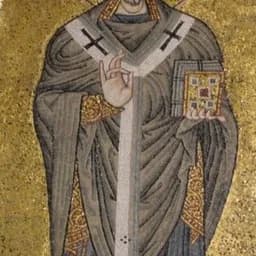
St. Hilary of Poitiers (c. 310–367)
Commentary on Matthew (on Matthew 13:52) As preserved in the Catena Aurea on Matthew. Public domain. Full text: https://www.ccel.org/ccel/aquinas/catena1.ii.xiii.html
On the disciples called scribes, the new and old being the Law and the Gospels from one treasury:
St. Gregory the Great (c. 540–604)
Forty Gospel Homilies (on Matthew 13:52) As preserved in the Catena Aurea on Matthew. Public domain. Full text: https://www.ccel.org/ccel/aquinas/catena1.ii.xiii.html
On the learned householder as one who preaches both Testaments in word and in life:
On another reading, the old as punishment and the new as the sweetness of the kingdom: