Woes Against the Scribes and Pharisees
Matt 23; Mark 12:38–40; Luke 20:45–47 · Passion week in Jerusalem
Scripture

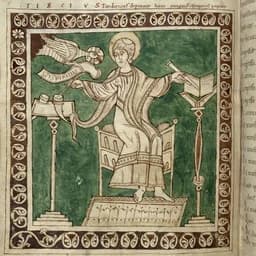
Matthew 23:1–12
hen spake Jesus to the multitude, and to his disciples, 2Saying, The scribes and the Pharisees sit in Moses’ seat: 3All therefore whatsoever they bid you observe, that observe and do; but do not ye after their works: for they say, and do not. 4For they bind heavy burdens and grievous to be borne, and lay them on men’s shoulders; but they themselves will not move them with one of their fingers. 5But all their works they do for to be seen of men: they make broad their phylacteries, and enlarge the borders of their garments, 6And love the uppermost rooms at feasts, and the chief seats in the synagogues, 7And greetings in the markets, and to be called of men, Rabbi, Rabbi. 8But be not ye called Rabbi: for one is your Master, even Christ; and all ye are brethren. 9And call no man your father upon the earth: for one is your Father, which is in heaven. 10Neither be ye called masters: for one is your Master, even Christ. 11But he that is greatest among you shall be your servant. 12And whosoever shall exalt himself shall be abased; and he that shall humble himself shall be exalted.
King James Version · public domain
Mateu 23:1–12
tëhere Jisuj i foli gjindjesë edhe nxënësvet të ti, 2Dyke thënë, Shkronjësit’ edhe Farisenjtë ndënjtnë mbi front të Moisiut; 3Gjithë sa t’u thonë pra juve t’i ruani, t’i ruani, edhe t’i bëni; po pas punëravet t’atyre mos bëni; sepse thonë edhe nukë bënjënë. 4Sepse lithnjënë barrë të-rënda që nukë mbahenë, edhe i vënë përmbi kurrist të njerësvet; po me gishtin’ e tyre nukë duanë t’i luanjënë. 5Edhe gjithë punët’ e tyre i bëjnë që të dukenë ndër njerëzit; edhe sgjeronjënë ruajtjet’ e tyre edhe madhonjënë pëqinjt’ e rrobavet të tyre; 6Edhe duanë kryet’ e mësallësë ndëpër darkat, edhe vëndet’ e-parë ndëpër sinagogjit; 7Edhe të-përshëndoshuratë ndëpër tre-gjet, edhe të quhenë nga njerëzitë, Ravvi*. 8Po ju mos quhi Ravvi sepse një është mësonjësi juaj, Krishti, edhe të-gjithë ju jeni vëllezër. 9Edhe mos quani ndonjë atë për ju mbi dhet; sepse një është Ati juaj, ay që është ndë qiejt. 10As mos quhi mësonjës; sepse një është mësonjësi juaj, Krishti. 11Po më i-madhi prej jush dotë jetë shërbëtori juaj. 12Edhe kush të lartësonjë vetëhen’ e ti, dot’ unjetë; edhe kush të unjë vetëhen’ e ti, dotë lartësonetë.
Kristoforidhi, Dhiata e Re Toskërisht 1879 · zotërim publik
In their own words
The gnat stings while it hums; the camel bows its back to receive its load. The Jews then "strained off the gnat," when they prayed to have the seditious robber released to them; and they swallowed the camel, when they sought with shouts the death of Him who had voluntarily taken on Him the burden of our mortality.
St. Gregory the Great, Moralia in Job (on Matthew 23:24) (Catena Aurea)
Patristic sources
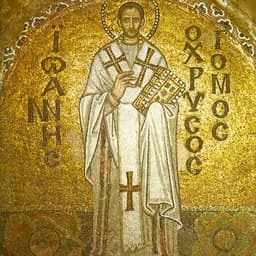
- St. John Chrysostom
- Homilies on Matthew, Hom. 72–74
The three homilies on Matthew 23 are the fullest patristic exposition of the woes; quoted directly from NPNF, not the Catena.
- St. Cyril of Alexandria
- Commentary on Luke, Sermon 137
His Sermon 137 covers the Lukan parallel (Luke 20:41–47), the only Greek Father with a continuous public-domain English commentary on the Luke text.
- Origen of Alexandria
- Commentary on Matthew (Catena Aurea)
Cited only for a moral reading; some of his speculations were condemned in 553, so his name is used with caution.
- St. Jerome
- Commentary on Matthew (Catena Aurea)
- St. Hilary of Poitiers
- Commentary on Matthew (Catena Aurea)
- St. Gregory the Great
- Moralia in Job (Catena Aurea)
Read the sources: Chrysostom, Homilies on Matthew (CCEL, NPNF1-10) · Cyril of Alexandria, Commentary on Luke, Sermon 137 (tertullian.org) · Catena Aurea on Matthew 23 (CCEL)
Woes Against the Scribes and Pharisees (Matthew 23; Mark 12:38–40; Luke 20:45–47)
The texts below are quoted verbatim from public-domain English translations; nothing is paraphrased.
St. John Chrysostom (c. 347–407)
Homilies on the Gospel of Matthew, Homilies 72–74 (on Matthew 23:1–39) Source: trans. in the Nicene and Post-Nicene Fathers, First Series, Vol. 10. Public domain. Full text: https://ccel.org/ccel/schaff/npnf110
On "The scribes and the Pharisees sit in Moses' seat," that His hearers should not despise the teachers even while shunning their works:
On the love of the chief seats and the greetings and the title Rabbi:
On the repeated cry, "O Jerusalem, Jerusalem," as the voice of one who pities and loves the city He must punish:
On the hen that would gather her chickens, the image of His protecting affection:
St. Cyril of Alexandria (c. 376–444)
Commentary on the Gospel of Luke, Sermon 137 (on Luke 20:45–47) Source: trans. R. Payne Smith, Library of Fathers, 1859. Public domain. Full text: https://www.tertullian.org/fathers/cyril_on_luke_13_sermons_135_145.htm
On "Beware of the scribes," lest the disciples share the vices hidden behind a show of piety:
On the root of their refusal to be taught, love of praise and greed of gain:
Origen of Alexandria (c. 185–254)
Commentary on Matthew (on Matthew 23:25–26) As preserved in the Catena Aurea on Matthew. Public domain. Full text: https://www.ccel.org/ccel/aquinas/catena1.ii.xxiii.html
(Origen is cited here only for this moral reading; some of his speculations were condemned in 553, and his name is used with that caution.)
On cleansing the outside of the cup while the inside is full of extortion:
St. Jerome (c. 347–420)
Commentary on Matthew (on Matthew 23:23–27) As preserved in the Catena Aurea on Matthew. Public domain. Full text: https://www.ccel.org/ccel/aquinas/catena1.ii.xxiii.html
On tithing mint and anise while omitting the weightier matters of the law:
On the whited sepulchres, fair without and full of uncleanness within:
St. Hilary of Poitiers (c. 310–367)
Commentary on Matthew (on Matthew 23:17–19) As preserved in the Catena Aurea on Matthew. Public domain. Full text: https://www.ccel.org/ccel/aquinas/catena1.ii.xxiii.html
On the blind guides who swear by the gold rather than the temple that sanctifies the gold:
St. Gregory the Great (c. 540–604)
Moralia in Job (on Matthew 23:24) As preserved in the Catena Aurea on Matthew. Public domain. Full text: https://www.ccel.org/ccel/aquinas/catena1.ii.xxiii.html
On straining out the gnat and swallowing the camel: