Udha për në Emaus
Luke 24:13–35; Mark 16:12–13 · Pas Ngjalljes
Shkrimi i Shenjtë
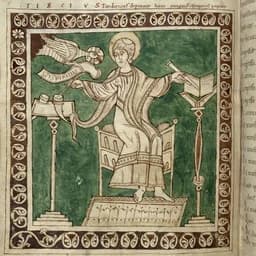
Luke 24:13–35
nd, behold, two of them went that same day to a village called Emmaus, which was from Jerusalem about threescore furlongs. 14And they talked together of all these things which had happened. 15And it came to pass, that, while they communed together and reasoned, Jesus himself drew near, and went with them. 16But their eyes were holden that they should not know him. 17And he said unto them, What manner of communications are these that ye have one to another, as ye walk, and are sad? 18And the one of them, whose name was Cleopas, answering said unto him, Art thou only a stranger in Jerusalem, and hast not known the things which are come to pass there in these days? 19And he said unto them, What things? And they said unto him, Concerning Jesus of Nazareth, which was a prophet mighty in deed and word before God and all the people: 20And how the chief priests and our rulers delivered him to be condemned to death, and have crucified him. 21But we trusted that it had been he which should have redeemed Israel: and beside all this, to day is the third day since these things were done. 22Yea, and certain women also of our company made us astonished, which were early at the sepulchre; 23And when they found not his body, they came, saying, that they had also seen a vision of angels, which said that he was alive. 24And certain of them which were with us went to the sepulchre, and found it even so as the women had said: but him they saw not. 25Then he said unto them, O fools, and slow of heart to believe all that the prophets have spoken: 26Ought not Christ to have suffered these things, and to enter into his glory? 27And beginning at Moses and all the prophets, he expounded unto them in all the scriptures the things concerning himself. 28And they drew nigh unto the village, whither they went: and he made as though he would have gone further. 29But they constrained him, saying, Abide with us: for it is toward evening, and the day is far spent. And he went in to tarry with them. 30And it came to pass, as he sat at meat with them, he took bread, and blessed it, and brake, and gave to them. 31And their eyes were opened, and they knew him; and he vanished out of their sight. 32And they said one to another, Did not our heart burn within us, while he talked with us by the way, and while he opened to us the scriptures? 33And they rose up the same hour, and returned to Jerusalem, and found the eleven gathered together, and them that were with them, 34Saying, The Lord is risen indeed, and hath appeared to Simon. 35And they told what things were done in the way, and how he was known of them in breaking of bread.
King James Version · public domain
Lluka 24:13–35
dhe dy veta prej atyreve tek ishinë dyke vaturë atë ditë ndë një fshat që quhej Emmaus, që ishte gjashtë-dhjetë stadhe lark nga Jerusalimi. 14Edhe ata flisninë ndër mest të-tyre për gjithë këto që kishinë ngjarë. 15Edhe kur po flisnin’ e haeshinë njëri me tjetrinë uafërua edhe vetë Jisuj, e ecënte bashkë me ata. 16Po syt’ e atyre mbaheshinë për të mos njohur’ atë. 17Edhe ay u tha atyre, Ç’janë këto fjalë që flitni njëri me tjatrinë dyke ecurë, edhe përse jini të vrërëtë? 18Edhe njëri, që e kishte emërinë Kleopë, upërgjeq e tha, Vetëmë ti qënke i huaj ndë Jerusalim, edhe s’paske marrë vesh se ç’janë bërë nd’atë ndër këto dit? 19Edhe ay u tha atyre, Cilatë? Edhe ata i thanë, Punët’ e Jisu Nazoreasit, i-cili qe njeri profit, i fortë ndë punë e ndë fjalë përpara Perëndisë edhe gjithë llauzit; 20edhe si kryepriftërit’ edhe të-parëtë t’anë e dhanë ndër duar për dënim vdekjeje, edhe e kryqëzuanë. 21Edhe neve shprenimë, se ay ishte që kishte për të çpërblyerë Israilinë. Po mbi gjithë këto, sot ësht’ e treta ditë që kur se ubënë këto; 22Po edhe ca gra prej nesh na habitnë, të cilatë vanë çpejt që me natë ndë varrt; 23Edhe passi nukë gjetnë trupin’ e ati, erthnë dyke thënë, se kishinë parë edhe një të-dukur’ ëngjëjsh, të-cilëtë thanë, se ay rron. 24Edhe ca nga t’anëtë vanë ndë varrt, edhe gjetnë kështu, sikundrë than’ edhe gratë; po atë nuk e panë. 25Atëhere ay u tha atyre, O të marrë edhe të-mënuarë ndë zëmërët për të-besuarë gjith’ato që folnë profitëritë. 26Nukë duhej të pësonte këto Krishti, edhe të hynte ndë lavdit të ti? 27Edhe dyke zënë që nga Moisiu edhe që nga gjithë profitëritë, u sgithte atyre ato që ishinë shkruarë për atë ndëpër gjithë shkronjat. 28Edhe uafërua ndë fshatt, që po vininë; Edhe ay ubë sikur kishte për të vaturë më tej. 29Po ata e shtrënguanë tepërë, dyke thënë, Mbetu bashkë me ne, sepse është ndaj të-ngrysurë, edhe dita uthye. Edhe ay hyri për të mbeturë bashkë me ata. 30Edhe si ndënji ndë mësallët bashkë me ata, mori bukënë, e bekoj, edhe e theu, edhe u’a ndau atyre. 31Atëhere uhapnë syt’ e atyre, edhe e njohnë; po ay humbi prej sysh t’atyre. 32Edhe ata i thanë njëri tjatërit, Nukë digjej zëmëra jonë ndër ne, kur na fliste udhësë edhe na sgithte shkronjatë. 33Edhe ungritnë nd’atë orë, edhe ukthyenë ndë Jerusalim, edhe gjetnë mbledhurë bashkë të dy-mbë-dhjetëtë, edhe ata që ishinë bashkë me ata, 34Të-cilëtë thoshinë, Se me të-vërtetë Zoti ungjall, edhe uduk te Simoni. 35Edhe ata prapë dëfteninë ç’punë u ngjanë udhësë, edhe si unjoh tek ata ndë të-thyerët të bukësë.
Kristoforidhi, Dhiata e Re Toskërisht 1879 · zotërim publik
Me fjalët e tyre
Nga ky shembull kuptohet se të huajt nuk duhen vetëm ftuar në mikpritje, por edhe marrë me forcë.
Shën Grigori i Madh, Dyzet Predikimet mbi Ungjillin (Catena Aurea)
Burimet patristike
- St. John Chrysostom
- Homilies (as preserved in the Catena Aurea on Luke)
- Theophylact of Ohrid
- Explanation of the Gospel of Luke
- Origen of Alexandria
- Homilies on the Gospel of Luke
Quoted with care; some of his speculative opinions were condemned in 553. The Emmaus fragment here is a short, unobjectionable gobbet preserved in the Catena.
- Blessed Augustine of Hippo
- As preserved in the Catena Aurea on Luke
Venerated in the East as Blessed; his readings of the Emmaus supper are cited in later Byzantine catenae.
- St. Gregory the Great
- Forty Gospel Homilies
- St. Bede the Venerable
- Commentary on the Gospel of Luke
Lexo burimet: Catena Aurea on Luke (isidore.co)
Udha për në Emaus (Lluka 24:13–35)
Tekstet patristike janë përkthyer nga përkthimet anglisht në zotërim publik; asgjë nuk është parafrazuar. Vargjet e Shkrimit ndjekin Dhiatën e Re të Kostandin Kristoforidhit (Toskërisht, 1879, në zotërim publik); emrat e shenjtorëve ndjekin përdorimin e Kishës Orthodhokse Autoqefale të Shqipërisë.
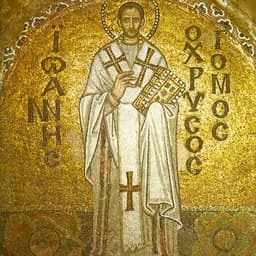
Shën Joan Gojarti (rreth 347–407)
Nga predikimet e Shën Joan Gojartit, siç ruhet në Catena Aurea mbi Llukën. Në zotërim publik. Teksti i plotë: https://isidore.co/aquinas/english/CALuke.htm
Mbi: përse Zoti i ngjallur ua hapi Shkrimet duke nisur nga Moisiu:
Mbi: sytë që u hapën në thyerjen e bukës:
Teofilakti i Ohrit (rreth 1055–1107)
Nga Shpjegimi i tij i Ungjillit sipas Llukës, siç ruhet në Catena Aurea mbi Llukën. Në zotërim publik. Teksti i plotë: https://isidore.co/aquinas/english/CALuke.htm
Mbi: përse sytë e tyre u mbajtën, dhe formën e ndryshme në të cilën, siç thotë Marku, u shfaq:
Mbi: të njohurit në thyerjen e bukës:
Mbi: "i fuqishëm në vepër e në fjalë", se vepra vjen para fjalës:
Origjeni (rreth 185–254)
Nga Predikimet e tij mbi Ungjillin sipas Llukës, siç ruhet në Catena Aurea mbi Llukën. Në zotërim publik. Teksti i plotë: https://isidore.co/aquinas/english/CALuke.htm
Mbi: "A nuk na digjej zemra përbrenda, ndërsa na i hapte Shkrimet":
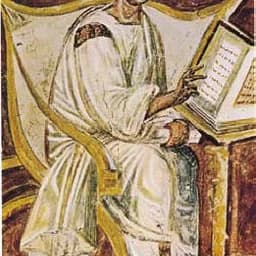
Shën Agustini i Hiponit (354–430)
Siç ruhet në Catena Aurea mbi Llukën. Në zotërim publik. Teksti i plotë: https://isidore.co/aquinas/english/CALuke.htm
Mbi: se u bë sikur do të shkonte më tej, dhe se kjo shtirje nuk ishte gënjeshtër, por një figurë e së vërtetës:
Mbi: shpërblimin e mikpritjes së tyre, se zbatuesit e fjalës e njohin Atë në thyerjen e bukës:
Shën Grigori i Madh (rreth 540–604)
Nga Dyzet Predikimet e tij mbi Ungjijtë, siç ruhet në Catena Aurea mbi Llukën. Në zotërim publik. Teksti i plotë: https://isidore.co/aquinas/english/CALuke.htm
Mbi: përse e fshehu fytyrën që ata njihnin, meqë ata edhe donin edhe dyshonin:
Mbi: "Rri me ne, sepse po ngryset", dhe mikpritjen që kërkohet edhe me forcë:
Mbi: Perëndinë që u njoh në thyerjen e bukës:
Shën Beda i Nderuari (rreth 673–735)
Nga Komenti i tij mbi Ungjillin sipas Llukës, siç ruhet në Catena Aurea mbi Llukën. Në zotërim publik. Teksti i plotë: https://isidore.co/aquinas/english/CALuke.htm
Mbi: se e morën për të huaj:
Mbi: Moisiun e të gjithë profetët, dhe se çfarë do të thotë të jesh i krishterë: