Words of the services · Objects and vessels
Diptychs
Dhiptikë · Greek: δίπτυχα (diptycha)
The diptychs are the lists of names of the living and the departed commemorated at the Liturgy; the name comes from the two-leaved tablets on which such names were once written. After the priest's exclamation in honour of the Theotokos, the deacon censes round the Holy Table, then stands behind it and reads the diptychs of the living and the dead. At this point people in particular need of God's mercy may also be remembered by name.
What it means
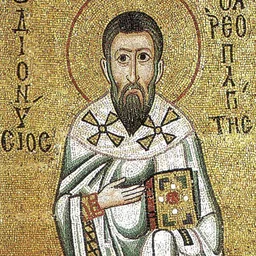 St Dionysius the Areopagite
«The reading of the holy tablets, after the salutation, proclaims those who have passed through life holily and have reached the term of a virtuous life without faltering, urging and conducting us to their blessed condition and Divine inheritance through their example.»Dionysius, The Ecclesiastical Hierarchy, tr. J. Parker (1894)
St Dionysius the Areopagite«And bear this religiously in mind, that after the august symbols, through which Christ is signified and partaken, have been placed on the Divine Altar, the reading of the register of the holy persons immediately follows, signifying their inseparable conjunction with His celestial and sacred Oneness.»Dionysius, The Ecclesiastical Hierarchy, tr. J. Parker (1894)