The Divine Liturgy of St John Chrysostom · Step 21
The dismissal of the catechumens
«Përlëshimi i katekumenëve»
What happens
Three times the deacon bids the catechumens, those not yet baptized, to depart, and he says «let no Catechumen remain». His next words, calling the faithful to pray again in peace, already begin the Liturgy of the Faithful, the second part of the Divine Liturgy. Nowadays no one leaves, neither the catechumens nor those who will not receive Communion.
Who does what
- DeaconThree times bids the catechumens to depart, says «let no Catechumen remain», and calls the faithful to pray again in peace.
- ChantersAnswer «Lord, have mercy».
- PeopleStay where they are, since no one leaves nowadays, and sing «Lord, have mercy» quietly with the chanters.
When the priest serves without a deacon: Without a deacon the priest says these words himself.
The words
Depart, all ye Catechumens, depart. Depart, all ye Catechumens: let no Catechumen remain: but let us who are in the faith again, yet again, in peace pray unto the Lord.
Sa jeni katikumenë, shkoni; ju katikumenë, shkoni; sa jeni katikumenë, shkoni. Asnjë nga katikumenët të mos qëndrojë. Sa janë besimtarë. Përsëri dhe përsëri me paqe, le t'i lutemi Zotit.
Lord, have mercy.
Mëshiro, o Zot.
The Albanian text is the Orthodox Autocephalous Church of Albania’s, used with permission. orthodoxalbania.org. The English is from Isabel F. Hapgood’s Service Book (1922).
What it means
«And forthwith the catechumens are dismissed, and the faithful are exhorted to remain; because that moment represents the season of the end of the world.»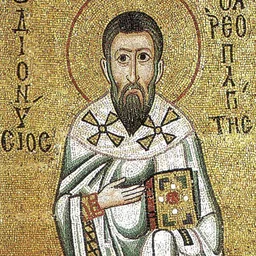 St Dionysius the Areopagite
«Now the custom of the holy Hierarchy permits the catechumens and the penitents to hear the sacred chanting of the Psalms, and the inspired reading of the all Holy Scriptures; but it does not invite these to the next religious services and contemplations, but only the perfect visions of the perfected. For the Divine-like Hierarchy is full of reverent justice, and distributes savingly to each, according to their due, the harmonious participation of each in things Divine, in measure and proportion and due time.»Dionysius, The Ecclesiastical Hierarchy, tr. J. Parker (1894)
«But the allusion is preserved in the service, to remind the faithful of the vows they took at baptism, and arouse in them a humble consciousness of sin.»Sokolof, A Manual of the Orthodox Church's Divine Services (1899), p. 67